Infusion. That’s a fancy word for chemicals shot directly into your blood vessels. Cancer patients call it “chemo,” but it’s used for other maladies where a big blast of medicine is needed. In my case, I was getting “Reclast” for my newly diagnosed osteoporosis–brittle bones.
It’s daunting to walk into the oncology department in spite of the cheery pictures and “you can do it” posters. I shared an infusion room with a woman about to have a double mastectomy for breast cancer. Skinny and pale, she wore a scarf over her nearly bald head and recited a non-stop schedule of tests, doctor visits and infusions. I had gotten a super short haircut earlier that week that I hated, but now I vowed to shut up and enjoy my hair and my non-stop schedule of readings, workshops, meetings, Masses, and dog walks.
I knew osteoporosis was coming; I had osteopenia, the precursor, for years, and I have shrunk almost two inches in height. My mother, who used to be the same height as me, got so short toward the end I had to lean way over to hug her. I could see where this was going.
Mom never took this or any other osteoporosis drug. She also never broke a bone. My father did, but if you fall hard enough often enough, anyone’s bones will break.
I had my doubts about this treatment. A nurse friend told me horror stories about teeth falling out and necrotic jawbones. I asked my dentist. He agreed that it could be bad news if I had dental issues, but I had none, so he cleared me for the treatment.
I asked the doctor. I asked the infusion nurse. I told them I had had bad reactions to my shingles and Covid vaccinations. You need this, they said. The system was moving full speed and I was on the schedule.
The infusion nurse made sure I read the list of possible side-effects. You might feel a little flu-ish and achy the next day, but Tylenol will take care of that, she said. The good news is you only have to do it once a year, she said.
The infusion itself, done on a Friday afternoon, wasn’t bad. The IV hurt, sure, but the room was pleasant, the nurses were top-notch, and I felt fine during the 2 ½ hours I was there. While my roommate played games on her phone in its gold sparkle case, I worked on my novel and answered email, not mentioning where I happened to be at the time. When I left the hospital, I felt fine.
That’s what happened with my vaccinations, too. The next day was a different story.
On Saturday, I woke up sicker than I have ever been in my life. I was shaking so badly I could barely hold onto a Tylenol pill and a glass of water. My bones, muscles and joints hurt so intensely I screamed every time I moved and sometimes when I didn’t. My muscles cramped and wouldn’t let go. I had a 102 degree fever and couldn’t keep food down. A little fluish?
I was alone and too unwell to call anyone. I was the kind of sick where I wanted some water but couldn’t get up for it, where my laptop slid off the bed onto the floor and I left it there. My biggest accomplishment of the day was texting to say I could not sing at church that night.
Sunday, I felt a bit better but was still far from functional. Ditto for Monday, when Martha from church brought me orange juice and tea. I was taking Tylenol every six hours and still hurt.
I was sick all week. I canceled all kinds of things, but still MC’d an open mic on Zoom on Monday, did a reading on Tuesday, dickered with my publisher about the title and subtitle of the memoir coming out next year, and prepared for an upcoming class and reading. In between, I slept and watched a lot of “Mrs. Maisel” on Prime TV. Today, the 11th day, is the first day I finally feel normal.
When I contacted my doctor, she said she was so sorry but it does say in the literature that this can happen. Most people are over it in two or three days. It should be better next year.
Next year? I’m not doing this again.
I belong to an online support group for osteoporosis patients. Reactions like mine are common. But it gets worse. One person had a stroke. Another had bones growing in her mouth where they shouldn’t be. Another had more broken bones instead of fewer.
Nope. I hope this infusion does some good, but I’m looking into natural remedies, along with exercise and diet. I’m reconsidering my friend’s philosophy that pot is the only drug a person can trust.
The infusion nurse assured me the benefits outweighed the negatives with this osteoporosis drug. But do they? Is it right to dismiss with an “oh well” a reaction that leaves a patient flat in bed alone and screaming “Jesus, help me”? Do the pharmaceutical companies need to do more testing and work harder to find medications that do not harm the patients?
Osteoporosis is serious. Broken bones are serious. But I’m here to say dosing patients with meds that make them incredibly sick is serious, too, and the medical profession needs to pay more attention.
Lessons learned: Question everything. If you live alone, arrange for someone to check on you in case things go awry. Eat your spinach.
My suite-mate’s surgery is May 9. Please keep her in your prayers.
Have you had experience with osteoporosis? Have you taken medications for it? How did it go? Please share in the comments.
More information:
“What You Should Know About Osteoporosis Meds”
“5 Osteoporosis Drugs: Safe or Dangerous?”
my.clevelandclinic.org/health/diseases/4443-osteoporosis
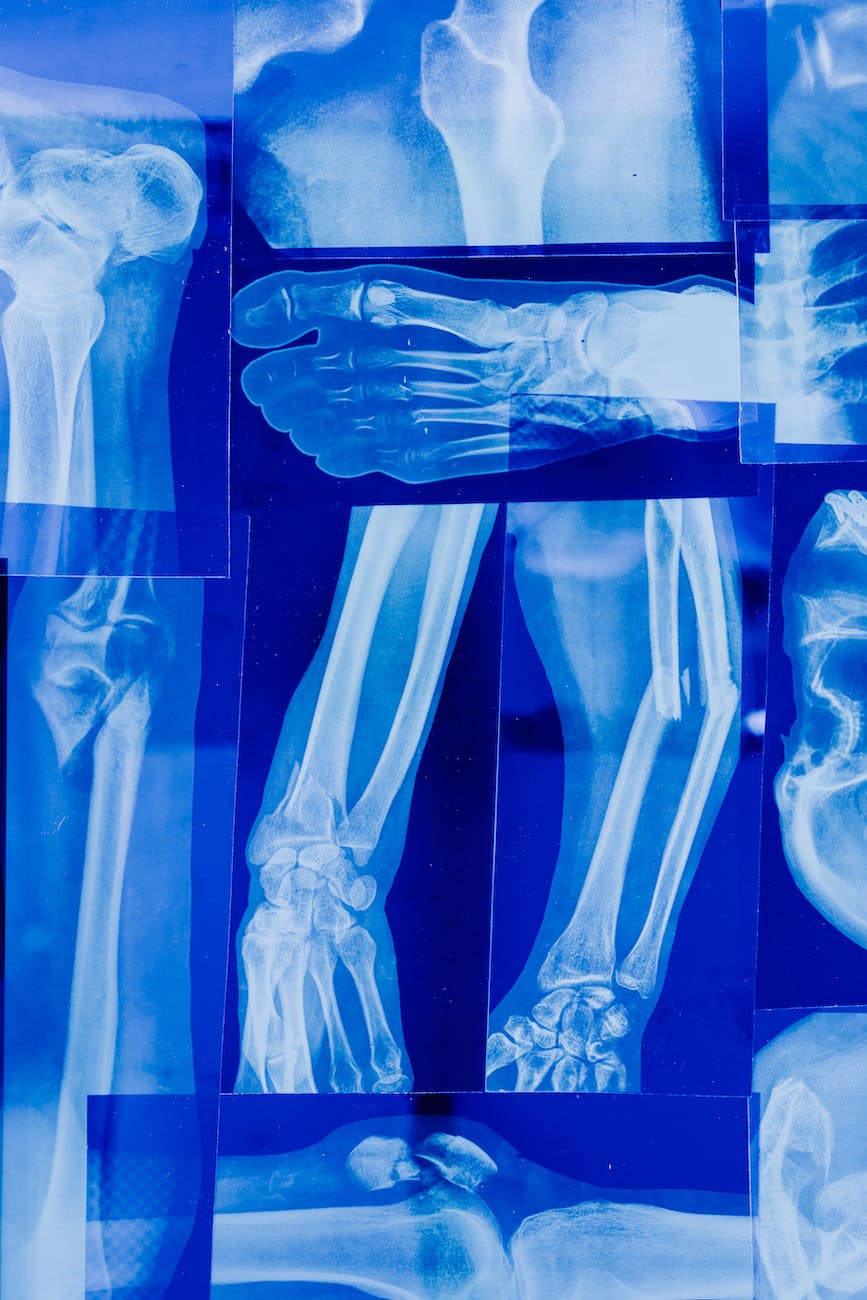
Photo by Tara Winstead on Pexels.com
Processing…
Success! You're on the list.
Whoops! There was an error and we couldn't process your subscription. Please reload the page and try again.








 Unleashed in Oregon