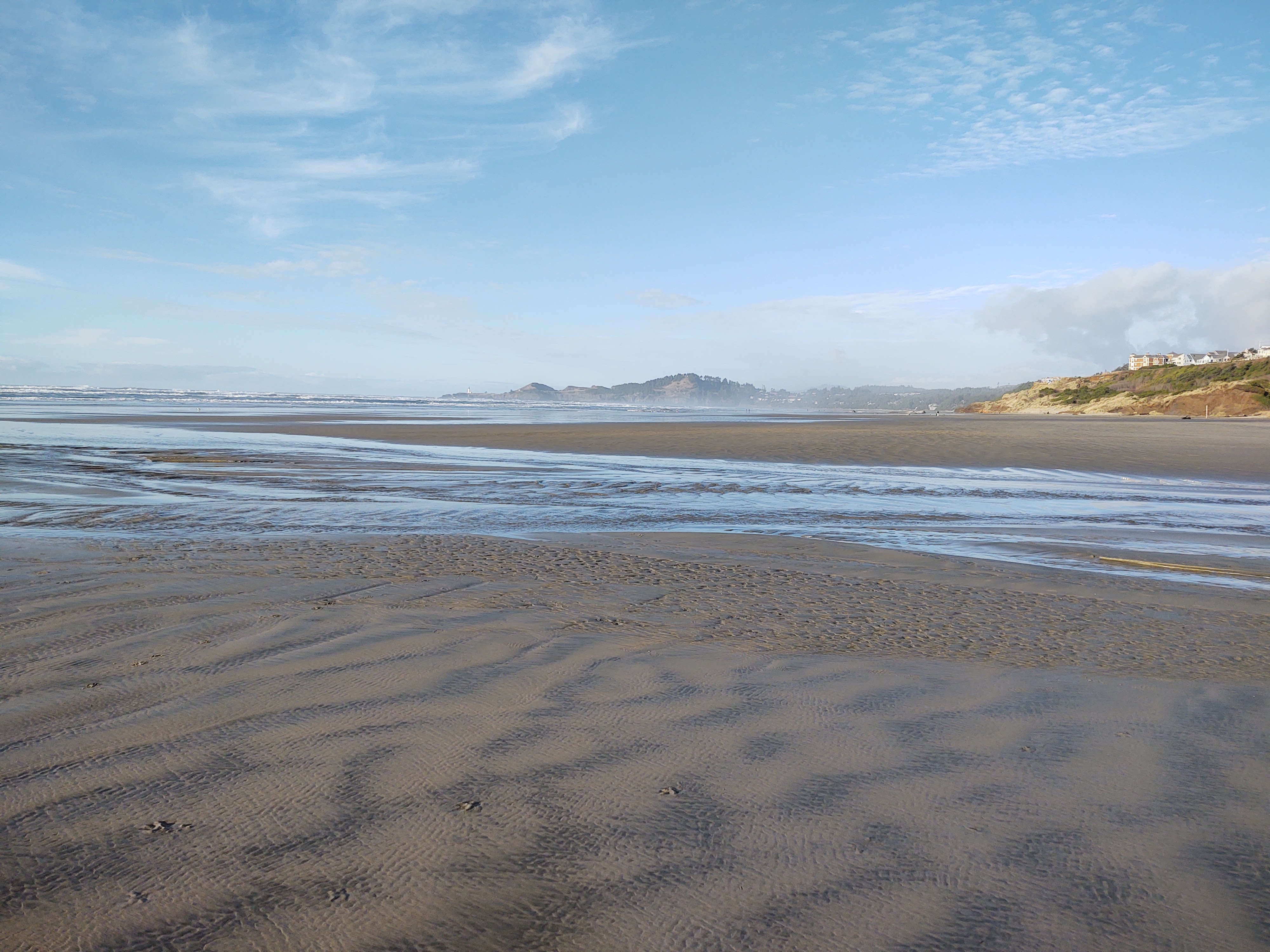
Oh No! It’s That Face Again: When My Phone is Full of Selfies

Ding! My phone is offering another “special moment,” my photos compiled and set to bouncy guitar music. They are all pictures of me, taken by me. Selfies. Instead of smiling at pictures of loved ones, I critique. Bangs too long, bangs too short, no bangs, what was I thinking wearing that yellow top, gosh I have a lot of wrinkles, oh, that one’s not too bad.

Google, I don’t want to look at that much me. Save? Why?

Some days Google gives me photos of Annie, my dog. Look, says Google, we found similar photos and made a collage for you. Same boring music. These pix make me sad because she is so old now I keep checking to make sure she’s still breathing.

Once in a great while, my phone will show me beach pictures, photos from somewhere I traveled, or yet another sky shot from my yard, but mostly it’s me and Annie, each of us alone.

The last time I had formal pictures taken was at church for the parish directory. The photographer was sure I’d like to order some 8 x 10s, 5 x 7s, and wallet-size pictures to give to my loved ones. “Surely your kids will want some,” he said. “I don’t have any kids,” I said. The young photographer looked at me like I’d just said I was from Mars. Doesn’t every old lady have kids and grandkids? No. Some of us just have dogs.

If my phone was filled with pictures of family gatherings, multiple poses of little ones, or romantic getaways with my lover, it would be a whole different experience. But I travel alone. I take my own pictures, hoping to get a little scenery behind my big head. I smile because my unsmiling selfies scare me.

Why bother? I need photos for my website, blogs, back covers of my books, publicity, bla bla bla. So I take selfies. Sometimes when I make a public appearance, someone in the audience will photograph me and I’ll beg for copies, but mostly I’m taking pictures of myself on days when I feel attractive. Sometimes I do a video. Same face but moving. I might have just gotten a haircut, the lighting is perfect, or I’m all dressed up and think, why not. I usually don’t look as good as I thought I did.

I have studied the art of the selfie: Hold the camera up high not down low, have the light in front of you not behind you, watch out for poles, halos and other things that might appear to be growing out of your head. Practice with different poses and facial expressions.

I’m so sick of my own face.

I got two dings this morning. One was scenic pictures for which I might want to order canvas prints. The other was . . . me.

What about you? What pictures come up on your phone? Do you take selfies? What do you do with them? Will you take a picture of me if I take a picture of you? Can we do one together?

Here’s some great advice on how to take pictures of yourself: https://www.wikihow.com/Take-Flattering-Photos-of-Yourself

And some more: https://thirdeyetraveller.com/take-photos-of-yourself-when-travelling-solo/
Processing…
Success! You're on the list.

Osteoporosis Treatment Backfires

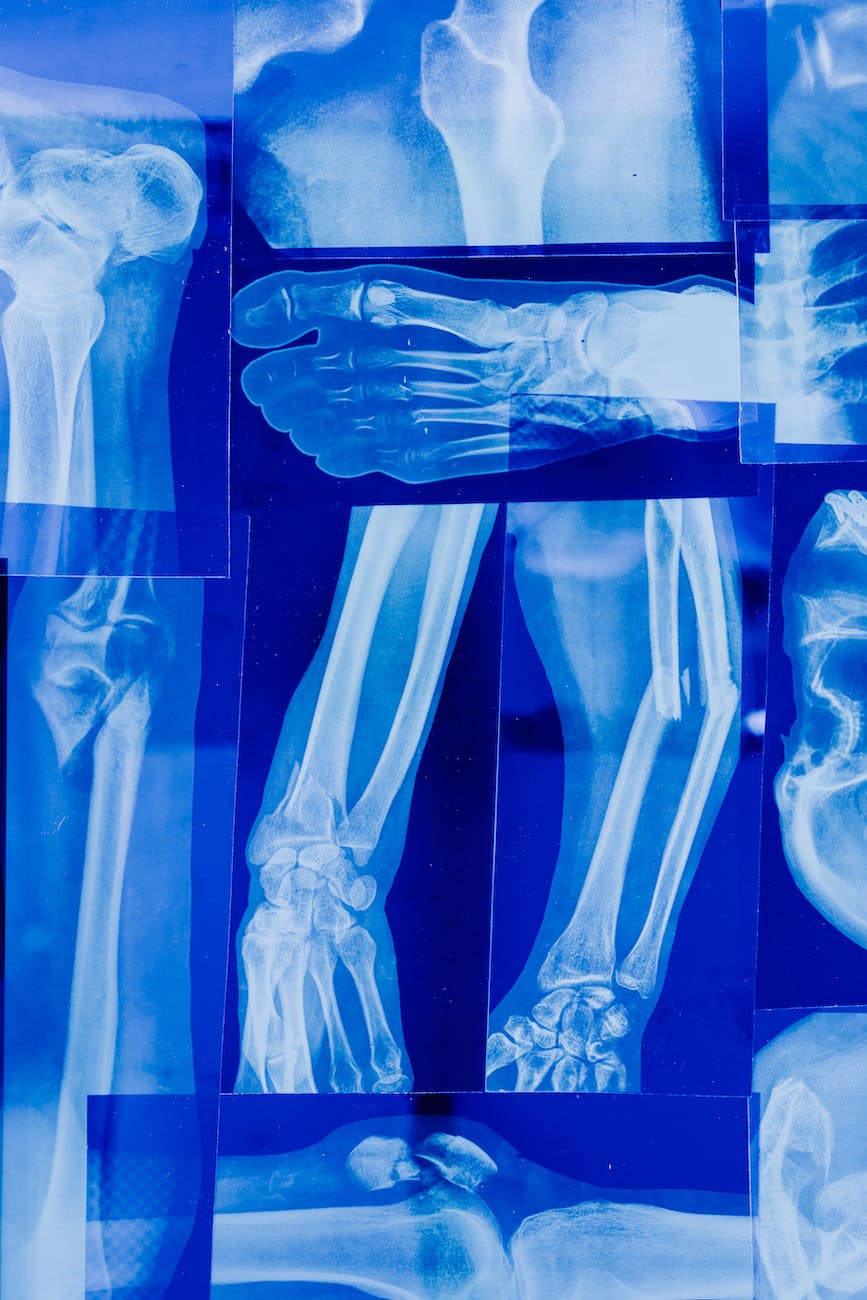
Infusion. That’s a fancy word for chemicals shot directly into your blood vessels. Cancer patients call it “chemo,” but it’s used for other maladies where a big blast of medicine is needed. In my case, I was getting “Reclast” for my newly diagnosed osteoporosis–brittle bones.

It’s daunting to walk into the oncology department in spite of the cheery pictures and “you can do it” posters. I shared an infusion room with a woman about to have a double mastectomy for breast cancer. Skinny and pale, she wore a scarf over her nearly bald head and recited a non-stop schedule of tests, doctor visits and infusions. I had gotten a super short haircut earlier that week that I hated, but now I vowed to shut up and enjoy my hair and my non-stop schedule of readings, workshops, meetings, Masses, and dog walks.

I knew osteoporosis was coming; I had osteopenia, the precursor, for years, and I have shrunk almost two inches in height. My mother, who used to be the same height as me, got so short toward the end I had to lean way over to hug her. I could see where this was going.

Mom never took this or any other osteoporosis drug. She also never broke a bone. My father did, but if you fall hard enough often enough, anyone’s bones will break.

I had my doubts about this treatment. A nurse friend told me horror stories about teeth falling out and necrotic jawbones. I asked my dentist. He agreed that it could be bad news if I had dental issues, but I had none, so he cleared me for the treatment.

I asked the doctor. I asked the infusion nurse. I told them I had had bad reactions to my shingles and Covid vaccinations. You need this, they said. The system was moving full speed and I was on the schedule.

The infusion nurse made sure I read the list of possible side-effects. You might feel a little flu-ish and achy the next day, but Tylenol will take care of that, she said. The good news is you only have to do it once a year, she said.

The infusion itself, done on a Friday afternoon, wasn’t bad. The IV hurt, sure, but the room was pleasant, the nurses were top-notch, and I felt fine during the 2 ½ hours I was there. While my roommate played games on her phone in its gold sparkle case, I worked on my novel and answered email, not mentioning where I happened to be at the time. When I left the hospital, I felt fine.

That’s what happened with my vaccinations, too. The next day was a different story.

On Saturday, I woke up sicker than I have ever been in my life. I was shaking so badly I could barely hold onto a Tylenol pill and a glass of water. My bones, muscles and joints hurt so intensely I screamed every time I moved and sometimes when I didn’t. My muscles cramped and wouldn’t let go. I had a 102 degree fever and couldn’t keep food down. A little fluish?

I was alone and too unwell to call anyone. I was the kind of sick where I wanted some water but couldn’t get up for it, where my laptop slid off the bed onto the floor and I left it there. My biggest accomplishment of the day was texting to say I could not sing at church that night.

Sunday, I felt a bit better but was still far from functional. Ditto for Monday, when Martha from church brought me orange juice and tea. I was taking Tylenol every six hours and still hurt.

I was sick all week. I canceled all kinds of things, but still MC’d an open mic on Zoom on Monday, did a reading on Tuesday, dickered with my publisher about the title and subtitle of the memoir coming out next year, and prepared for an upcoming class and reading. In between, I slept and watched a lot of “Mrs. Maisel” on Prime TV. Today, the 11th day, is the first day I finally feel normal.  

When I contacted my doctor, she said she was so sorry but it does say in the literature that this can happen. Most people are over it in two or three days. It should be better next year.

Next year? I’m not doing this again.

I belong to an online support group for osteoporosis patients. Reactions like mine are common. But it gets worse. One person had a stroke. Another had bones growing in her mouth where they shouldn’t be. Another had more broken bones instead of fewer.

Nope. I hope this infusion does some good, but I’m looking into natural remedies, along with exercise and diet. I’m reconsidering my friend’s philosophy that pot is the only drug a person can trust.

The infusion nurse assured me the benefits outweighed the negatives with this osteoporosis drug. But do they? Is it right to dismiss with an “oh well” a reaction that leaves a patient flat in bed alone and screaming “Jesus, help me”? Do the pharmaceutical companies need to do more testing and work harder to find medications that do not harm the patients?

Osteoporosis is serious. Broken bones are serious. But I’m here to say dosing patients with meds that make them incredibly sick is serious, too, and the medical profession needs to pay more attention.

Lessons learned: Question everything. If you live alone, arrange for someone to check on you in case things go awry. Eat your spinach.

My suite-mate’s surgery is May 9. Please keep her in your prayers.

Have you had experience with osteoporosis? Have you taken medications for it? How did it go? Please share in the comments.

More information:

“What You Should Know About Osteoporosis Meds”

“5 Osteoporosis Drugs: Safe or Dangerous?”

my.clevelandclinic.org/health/diseases/4443-osteoporosis

Photo by Tara Winstead on Pexels.com

Processing…
Success! You're on the list.

When You Love a Dog, There’s Always More Fur

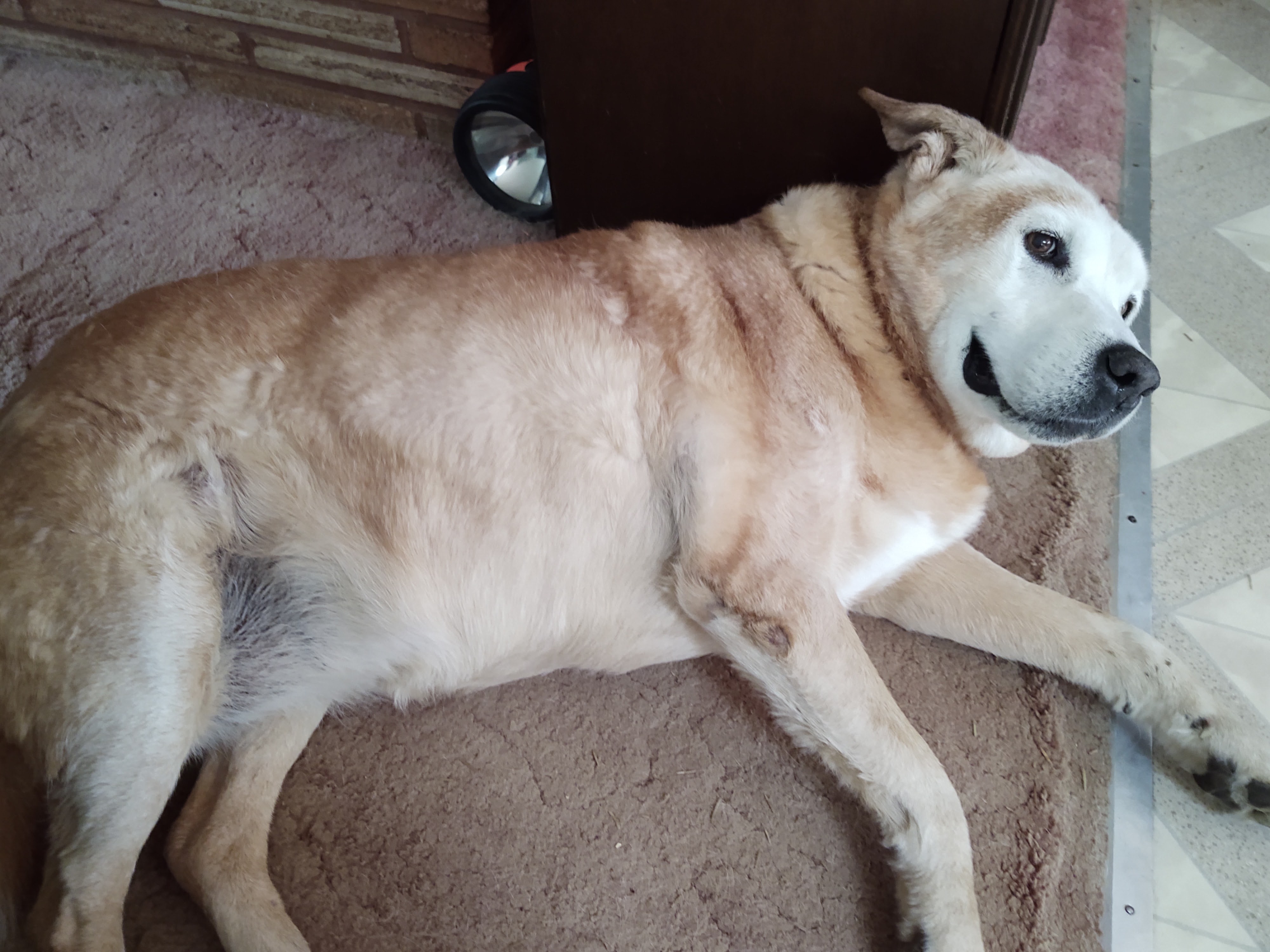
Big tan short-haired dog reclining on a dirty mauve carpet. She's giving the photographer a dirty look.

I don’t understand why my dog isn’t bald by now. I am grateful. I’ve seen what lies beneath—old-man white skin with liver spots, not pretty at all—but considering how much of her fur falls off, how could she have any left?

Did you know that some dogs have fur and some have hair? It’s true. Apparently it’s a matter of thickness, of how many hairs grow out of each follicle. Human follicles each produce one hair while furry dog follicles produce several. Some dogs have more follicles than others. If you don’t want to deal with fur, get a schnauzer, a poodle or a Mexican Hairless Terrier.

Meanwhile, whatever you call it, I’ll call it fur, it’s everywhere. My dear Annie, a huggable strawberry-blonde Lab-pit bull mix, has a lush white undercoat that she sheds incessantly in one-inch strands that find each other, mate and procreate into big furballs. They’re on the carpet, they’re on the linoleum, and they’re on the easy chair she thinks I don’t know she sits on. There’s fur on all of my clothes and all over the house. No matter how carefully I clean and how many vacuum cleaners I clog, it’s there.

Groom her, you say. I do. The fur comes off in clumps thick enough to build another dog. But there’s always more. I once interviewed a woman who knit sweaters out of her dogs’ fur. Turns out she’s not the only one. A whole dog-fur-clothing industry exists. Really. That’s how plentiful it is. Check out this article: “Must Knit Dogs: Meet the People Who Turn Stray Dog Hair into Sweaters.”

Years ago, I lived in a townhouse in which the bedroom was upstairs. Many mornings I attempted to escape the fur by putting on my just-cleaned clothes, running straight down the stairs and out the door, not getting anywhere near the dog, the carpet or the furniture. I still had fur all over my pants when I got to work.

I’d spend the first hour surreptitiously trying to remove the fur with Scotch tape turned into a circle bracelet. I’d pat the tape against the cloth. It made a squishy sound and picked up a few hairs. I’d turn the tape around and around until it was so coated with fur that no stickum remained. And there’d still be hair on my pants, my jacket, my vest, my sweater or whatever I wore that day. I was like a walking human felt board, covered with fur.

Certain types of clothing are fur-resistant. Jeans are good. Khakis work because the fur blends in—unless your dog is black. That slippery stuff they make ski jackets out of gathers no fur. But put on some of our woolly Oregon fleece and you’ll be fuzzy in five minutes. You don’t have to touch the dog. You don’t even have to see the dog. It’s in the air.

 My car, upholstered in fake velvet, gathers fur even worse than fleece does. One pass through, and it comes off in wads, turning our Honda into a big four-wheeled fur factory.

I occasionally vacuum the car, trying to suck up every strand of fur. I get most of it. But never enough.

A long time ago, my mother came for a visit, wearing her usual dark blue slacks.

“Here we go,” I said, opening the door for Mom.

She took one look at my carefully vacuumed vehicle and asked, “Do you have a towel or something? It’s all furry.”

 “But I vacuumed.”

She swept a hand over the upholstery and came up with fur. I went for a towel. My mother never complained about anything, but she knew that once you get the fur, it never goes away.

My less dog-loving friends offer a simple solution. Get rid of the dog. No dog, no fur, no problem. No way. I love my dog so much that I would rather have her fur on everything I own than live without the sweet soul and spunky spirit that lie under all that lush fur.

Sometimes when I’m away from home, sitting at church or a concert or in someone else’s car, I find a piece of fur on my clothing. I quietly pull it off and let it float away. Wherever I go, I leave a bit of my darling dog. Look out, dog-haters. If I’ve been to your house, there’s fur in there somewhere. And where you find one, there’ll always be more.

Have you got a fur-bearing family member? How do you deal with the shedding?

Processing…
Success! You're on the list.

Some Days, You Just Need a Time-Out

Sunset photo shoes house and evergreens in silhouette under a sky awash in blue, gray and peach-colored clouds. 
The photo is here to show what I would have missed if I didn't look up from my screen.

“Don’t call me in the morning,” I tell everyone I know. I say no to breakfasts with friends, morning appointments, and a.m. meetings because that’s my WRITING TIME. Even the dog knows it. After breakfast, she spreads herself across the doorway so I can’t leave the office without climbing over her.

The world still leaks in. Notices pop up on my screen: X liked your post on ABC. Breaking news: crash on Highway 101. Friend request from handsome man who is a figment of Facebook’s imagination.

The phone rings: A stranger mumbles about helping me make my book famous, or a bot offers to help me with Medicare. I generally don’t pick up unless I recognize the name on Caller ID, but it breaks my concentration. Some days I take the landline off the hook and silence the cell phone, but what if a friend or relative needs me? What if someone is inviting me out to lunch?

What if it’s just Verizon telling me it’s time to pay my bill?

Sometimes I hope for a power failure.

At noon, the dog comes in, brushing my arm, anxious for attention, food, and a walk. I’m still not dressed, and there’s a zoom meeting coming up with my big old face exposed. Okay, I surrender.

It’s hard to hold the world back. When I take a bathroom break, the toothpaste gunk in the sink grosses me out. When I heat water for tea, I see the stove needs scrubbing. When I take my notebook to write by the fireplace, I see dust and dog fur everywhere.

When I don’t know what I’m going to eat for dinner, I haven’t practiced this weekend’s church choir music, and my bones ache from sitting too much, it’s time for a catch-up day. The brain needs a break, and life demands I stop and take care of things. Wednesday was one of those days. I turned up the stereo, cleaned my bathrooms and my kitchen, baked bread, practiced music, updated the spa chemicals, and put away the mail, books, and assorted coats left on and around the kitchen table. I swept the floors, trimmed my nails, walked the dog, played online Mahjong, and generally caught up with the non-writing part of my life. It felt great.

You’ve got to look up sometimes. Tuesday night, while listening to the Head for the Hills online poetry reading (Francesca Bell and Todd Davis, both fabulous), I glanced out my office window and saw a glorious sunset unfolding. I raced out to take pictures. Five minutes later, it was over.

A writer needs to gather material and let it percolate so she has something to write about. Some days, I do everything but writing, and that’s okay. I’m a happier writer for having taken a break.

There’s still dust on the piano, but my bathrooms and kitchen are clean, my refrigerator full, my bills paid, and my music ready to play this weekend. I can feel the firm calluses on my left-hand fingertips from practicing lots of guitar music.

I am writing this morning. Tomorrow, April 1, National Poetry Month begins. I have signed up for not just one but two poem-a-day workshops and also pledged with National Novel Writing Month that I would turn out 20,000 words on the third novel in my Beaver Creek series. Plus the usual social media posts and blogs and pre-publication work for the memoir coming out next year. Oh, and doing my presidential duties for Oregon Poetry Association, where we are hosting open mics every Monday night this month.

I’m writing. I have blocked Facebook notifications. If the phone rings, I will startle and check Caller ID, but I will not answer it. I will sip Earl Grey from my Jack Daniel’s mug and commit words to the page because that’s what I do in the mornings.

How about you? Do you need to trash the schedule and just catch up sometimes, whether it’s doing chores or settling in for a day of naps, novels and Netflix? How do you arrange it?

References:

Rebecca Smolen and John Miller poetry month daily prompts and writing sessions

Sage Cohen’s Write a Poem a Day

National Novel Writing Month’s “Camp Nanowrimo”

Oregon Poetry Association open mics (on Zoom, non-Oregonians welcome) Register at https://oregonpoets.org/events-all/#opa-events to receive the Zoom link.

Processing…
Success! You're on the list.

Covid Masks Off, We Take Our Chances Now

In March 2020, I was on the way to the Portland, OR airport to fly to San Antonio for the Associated Writers and Writing Programs conference (AWP), the monster gathering to which all the writers, editors, publishers, teachers, and students of writing flock. As I drove, I kept getting disturbing reports. NPR told me that a state of emergency had been declared in San Antonio due to an outbreak of COVID-19. Okay, but we’d be safe in our hotel . . .

People I had been hoping to talk to at the conference sent emails and posted on Facebook that they were no longer coming. Our Antioch University MFA alumni reunion was canceled. My childhood best friend who lives in Texas called to say, “Don’t come.”

The conference went on, but I did not go. Instead, I spent a week visiting places in Oregon that I enjoyed, including The Grotto in Portland and the Oregon Garden outside Silverton. I shopped in Salem and saw the sights in Corvallis, where I joined a friend for lunch at a Chinese buffet. Within a week, everything would be shut down. Grotto, Gardens, stores, restaurants. Even the state parks along the beach where I live were blocked off sawhorses as we began that spooky time when COVID took over our lives, when we were afraid to go out, to touch our mail, or to touch each other.

If we did have to go out, we put on masks. I remember trying to make an old bandanna into a suitable mask and downloading sewing patterns that I never used. My more crafty friends started turning out homemade masks. Soon I had a whole wardrobe of them, including some made for singing with extra breathing space in front. Wherever there were other people, we were required to wear masks.

Women no longer needed to worry about makeup. No one would see most of their faces. We couldn’t tell if someone was smiling, frowning, talking to herself, or yawning. It was difficult to hear what people were saying. But we held onto our masks because people were dying of this disease, people we knew and loved. Even those who didn’t die felt like they might.

The arrival of vaccines in August 2021 gave us hope. One shot, two shots, a booster, another. Death rates went down. People were still getting COVID, but only the ones with other serious health problems died. The rest of us just got sick for a while and recovered. We think. The possibility of long-term effects and “Long COVID” worries us (Is that why I’m so tired?), but by now most of us seem to have experienced this weird disease that manifests in various ways and steals your ability to taste food.

The mask mandate has ended, except for health-care settings, and even that requirement is ending soon. We each get to decide whether we still want to wear a mask.

Do we think about COVID anymore? I do. When I told me doctor at my checkup that I had had it around the holidays, she said, “Me too. You’ll probably get it again.” Like it was no big deal. But it is a big deal. It killed Uncle Peter. It killed Cousin John. My friend’s son was in the hospital on a ventilator for months. It is a big deal. And yet . . .

I returned to AWP this year. It was held in Seattle, which was one of the first cities to report major outbreaks of the disease in 2020. More than 9,000 people attended the conference. We were jammed together in elevators, meeting rooms, and restaurants. We walked elbow to elbow along the crowded sidewalks. We hugged and hugged and hugged. Masks were recommended, but most people didn’t wear them. We touched books that many others had touched and held onto railings smudged with other people’s fingerprints. We took the chance. And yes, AWP was wonderful.

I don’t know who got sick afterward. I was so worn out I didn’t feel well for a few days. I tested myself twice for COVID and prayed while I waited for the results. Negative. I’m lucky. I knew I was taking a chance.

We have always risked illness when we’re among other people. Long before COVID, there were plenty of contagious diseases we could catch. But we didn’t worry about it. Now we do.

I rarely wear a mask anymore unless it’s required. But I keep one handy just in case. The pandemic has gotten easier to live with, but it’s not over.

How about you? Do you still worry about getting COVID in crowds? Have you had it? Do you wear a mask? Do you find you’re the only person wearing one sometimes?

Processing…
Success! You're on the list.

Can you describe yourself in one word?

If you had a theme song, what would it be? What makes you, you? Authors are forever being preached to about “platform,” that combination of achievements and media attention that makes everybody know who they are—or at least everybody in their chosen field. Stephen King, for example. His brand? Horror fiction. In Catholic music right now, Sarah Hart is known for sweet singable songs for liturgy and beyond. Football? Tom Brady. Hell of a quarterback at an age when most players are retired. Even I know that.

I have been attending an online workshop called The Writers Bridge. Leader Allison K. Williams preaches that a platform is where someone stands and yells while a bridge is where you make a connection. She and her co-host Sharla Yates offer useful information for writers and other creatives trying to be heard over the noise. We’ve talked about websites, newsletters, Instagram, tiktok, Twitter, Facebook, etc. and so much more. The monthly sessions, which are recorded, are free and open to all.

What am I doing with all this information? I’m looking for a way to blend the different types of books I have written and the ones that are coming into one distinctive brand. People always ask, “What do you write?” Saying, “Oh, lots of things” doesn’t get me anywhere. I have published fiction, nonfiction, and poetry, journalistic articles, blogs, and social media posts, written about Portuguese Americans, living in Oregon, being childless, being a dog mom, and being a widow. But what seems to tie it all together is being a childless widow. What makes me stand out in every story is that I am solo in a world of families and likely to stay that way. In fact, we could boil it down to one word: Alone. Theme song: “All by Myself.”

Twenty years ago, in grad school, one of our professors asked each of us to name our “theme.” At that time, I had no idea. Now I would say “Alone.” It shows in my books, whether it’s the narrator of Childless by Marriage, my protagonist PD Soares in Up Beaver Creek or the church pianist in my poetry chapbook Widow at the Piano. Did you know 27 percent of American households are occupied by just one person? Calling out the theme helps us loners find each other.

So what is your brand, your theme? Even if you’re not selling anything, can you describe yourself in one word or phrase? What’s your song? I’d like to hear it.

Processing…
Success! You're on the list.


Keyboard vs. Cursive: The Debates Rages On

Our country is divided. No, not the red/blue thing, although that’s happening, too. I mean cursive vs keyboard.

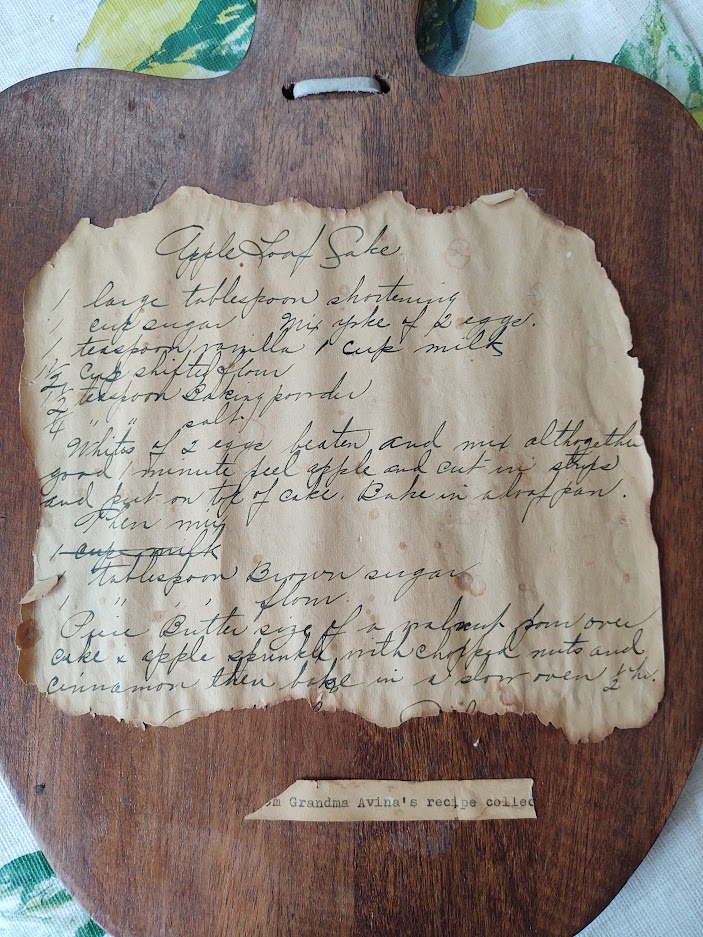
Photo shows a handwritten recipe for Apple Loaf Cake mounted on a piece of polished wood. From the early 1900s.
Grandma Anne Avina’s hand-written recipe

I’m a writer, but I don’t write as much as I used to. I type. I text. I tap images on screens. Then I wonder why my handwriting is going to hell. A beautiful teacherly script never flowed from my pen, possibly because I’m a lefty and the letters are designed for right-handers, but it used to be legible. I didn’t used to get stuck on n’s and r’s or finish “ing” words with just a line. But I’m in a hurry. See the chicken scratch in the photo. My printing is neater, but it’s too slow.

Many American schools have stopped teaching cursive, defined by Wikipedia as “any style of penmanship in which characters are written joined in a flowing manner, generally for the purpose of making writing faster, in contrast to block letters.” The Common Core State Standards encourage schools to teach typing on computerized devices, as well as printing in upper and lower case letters. But with limited hours in a day, they no longer require that cursive be taught.

In a casual survey of school practices, I found a mix of writing by hand and on machines, particularly school-issued Google Chrome laptops, but a definite leaning toward digital devices. Side note: how much do all those computers cost???

Photo shows the author's handwriting in her journal about the 2023 Super Bowl. The writing is slanted slightly left and includes a crossed out word and correction.
Sue’s handwriting is like a secret code

In our grandparents’ day, students spent hours developing their handwriting, often adding beautiful swirls to the ends of capital letters. My own grandparents, who went to school in the early 1900s, only made it through eighth grade, but their handwriting was beautiful and legible.

Now, people say we don’t need it. Who writes by hand anymore, aside from signatures? We don’t write letters. Or checks (I do), or take notes by hand (I do). We grab our phone, tablet, or laptop and type. It’s faster. It’s neater. It can be saved and shared. It’s the way the world is going.

Did you know that Queen Elizabeth kept a handwritten journal? One theory is that no one could hack into it to share her private thoughts in the media.

Me, I used up all the ink in another pen writing a poem yesterday. Eventually I typed it into Google Docs so I could share it with my poet friends on Zoom, but that first blast was on paper. Many poetry teachers insist students draft their poems by hand. Studies show the brain functions differently with handwriting vs. typing, that there is value in the hand-brain connection. They also show that students who take notes by hand are more likely to remember what the teacher says because they have to select what’s important to write down rather than simply recording every word on their laptops.  

Some argue that if kids don’t learn to write cursive, they won’t be able to read it, whether it’s the Declaration of Independence or a letter from their grandmother. But, say the anti-cursives, everything can be scanned and translated into computer-speak these days.

People have been writing by hand for thousands of years. Do we really want to make it obsolete? On the other hand, if people can’t read cursive anymore, my handwriting is like a secret code that no one can read unless I choose to translate it.

What do you think? Do you print or write in cursive? Do you write by hand at all these days? What should the kiddos be learning?

If I haven’t put you to sleep by now, let me recommend this book:

The Missing Ink: The Disappearing Art of Handwriting by Philip Hensher, Faber & Faber, Inc., 2012. The Missing Ink is a deep dive into the history and culture of writing by hand with pen and ink. Hensher interviews people about their handwriting, takes us on a shopping trip for the finest fountain pen in London, takes a look at Hitler’s handwriting, tells us how ink is made and describes how the Bic pen took over the world from the 1950s on. He pleads for the preservation of the art of handwriting and offers situations where writing by hand is referable to keyboarding. Fascinating stuff for word nerds like me.

Full disclosure: This blog post was entirely written on a computer.

Processing…
Success! You're on the list.

Pajamas or Nightgowns? Dressing for Our Trips to Dreamland

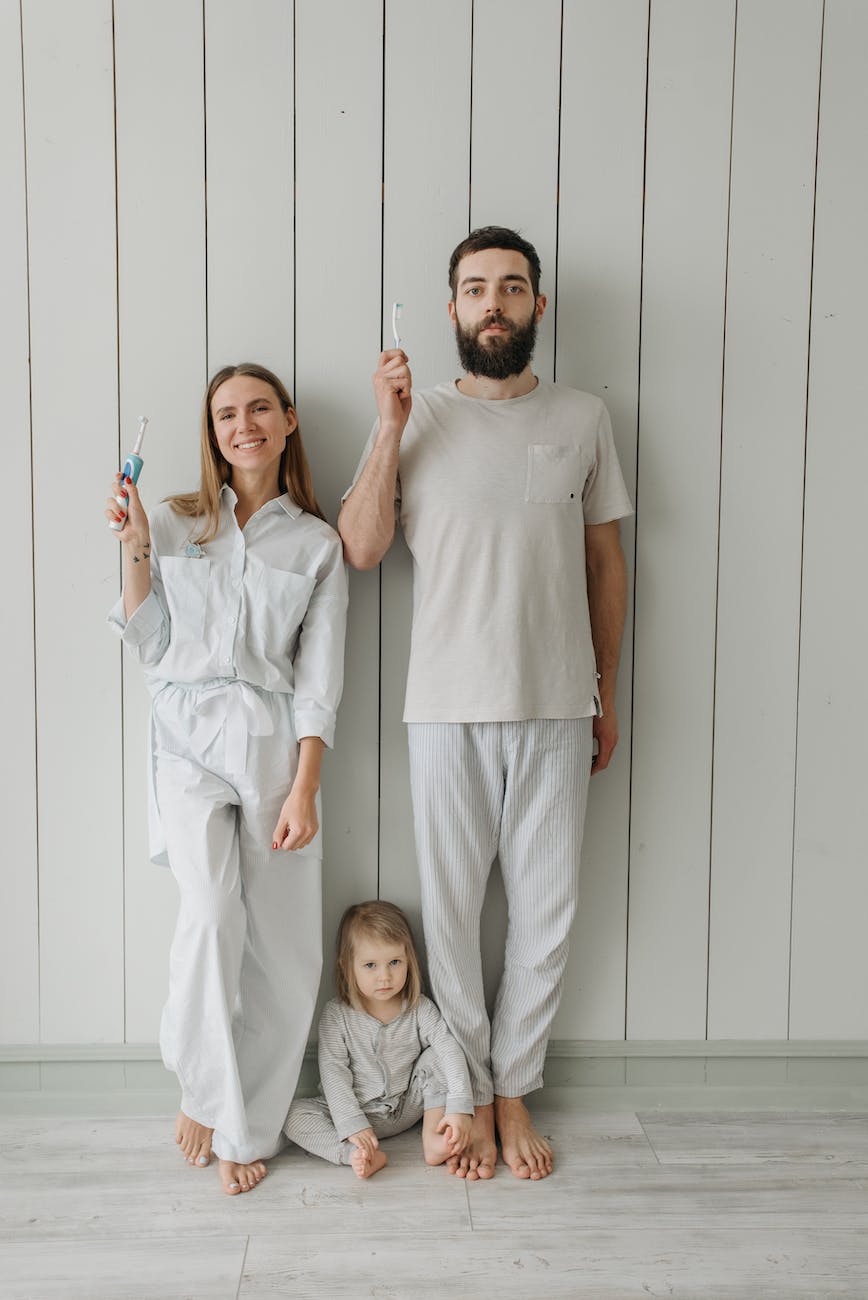
Photo shows you woman, bearded man, and little girl about three years old, all in white pajamas, the adults holding up toothbrushes in their right hands. The background is gray wooden boards.

Can we talk about pajamas?

I hadn’t worn them except for pajama parties for decades, but the other day I put some on, and I slept better than usual. Is there a connection?

Like most kids, I grew up in PJs. My memory is fuzzy, but I think graduating to nightgowns was presented as a rite of passage to womanhood. Big girls wear nightgowns. My dirty mind is yelling “that’s so it’s easier to have sex.” I suspect that’s part of it, even though my parents were of the DO NOT HAVE SEX IF YOU’RE NOT MARRIED crowd.

Anyway, I grew up in PJs, moved on to nightgowns, and then, when I married my first husband, who was a big fan of nudity, I didn’t wear anything to bed. It was San Jose, rarely cold, and we kept each other warm.

After the marriage ended, I went back to my nightgowns.

Years passed. I married Fred. A shy guy, he slept in pajama bottoms and T-shirts. I wore my nightgowns and nightshirts, even after we moved to Oregon, where it was cold. Pajamas were hot and confining, especially before, during, and after menopause. But I kept getting pajamas for Christmas. Nice ones. Cute, soft, warm. I gave some away and stashed the rest in the bottom drawer of my dresser, the drawer that’s hard to open.

A couple weeks ago, the weather got crazy cold. The fireplace was working hard, but it was still chilly in the house. I dug out the wooliest PJs to watch TV. They were so comfortable I thought why not wear them to bed?

This insomniac slept like a rock. Over the week, as our temperatures outside hovered in the 20s and 30s, I tried the other pjs. Same thing. What is this? A return to childhood? Or am I just getting old?

The weather has warmed up. We’re back to rain and wind on the Oregon coast, and I’m back to my nightshirts. The one I’m wearing is pink with pictures of books all over it and lettering that says, “My weekend is all booked.” I love it. But I’m keeping the pajamas for those cold nights when I need a little flannel love.

How about you? What do you wear to bed? Why? Gents can weigh in, too. Pajamas, underwear, a striped nightshirt with a little hat, or skin?

We could do a whole chat about people who wear pajamas in public, but let’s stick to bedtime. Pajamas, nightgowns, or . . . ?

BTW, there’s a band called Pajamas. Here they are on YouTube. Not too bad.

Photo by Pavel Danilyuk on Pexels.com

***

If you’re not on my mailing list, you can read all the latest news here. To get on the mailing list, click on the Mailchimp link below.

Instead of Sea Shells and Agates, I Find . . . Plastic

It was getting late, but it was the first dry day on the Oregon coast after weeks of hard rain and king tides, and the beach was calling.

A dead sea lion lay at the bottom of the steep ramp from Don Davis Park to Nye Beach. It was already starting to disintegrate, its face gone, guts exposed, tufts of brown fur here and there. Sad.

But I was more upset by the litter. I had been reading a long essay about plastic waste titled “Moby-Duck.” First published in Harper’s Magazine in 2007 and in the Best Creative Nonfiction in 2008, it was later expanded into a book, also titled Moby-Duck.

Author Donovan Hohn’s story begins with a 1992 spill of bath toys from a container ship traveling from Hong Kong to Tacoma, Washington. Little plastic ducks, beavers, turtles, and frogs started turning up on beaches far from the spill. The author became fascinated and met with experts who study the things that drift up onto the beach.  He researched the evolution of plastic products, particularly toy ducks, and the effects of plastic breaking down in the sea. He explored the working conditions in Chinese factories where workers were expected to turn out thousands of these things an hour for less than $4 a day.

What starts as an amusing story about toys quickly becomes alarming. Our ocean is so full of plastic we will never get rid of it. It breaks down over time into pieces, then shards, then dust, but it never disappears. Sea animals are eating it, and we’re eating the sea animals. It’s getting inside of everything, including us, and the ingredients are toxic.

Plastic was considered a godsend when it was invented in 1907. Now, that innocent toy bobbing in your child’s bathtub could be a death bomb for your great-grandchildren.

I was reading this essay at the hospital while waiting for my annual exam, getting more and more steamed about long waits and Medicare limitations. I flashed on those plastic gloves that hospital workers wear. Sitting at my father’s bedside when he was dying, I watched the nurses put on a new pair and throw them away every time they changed patients. How many thousands of pairs of gloves did they use in just one day? Where would we put all this waste?

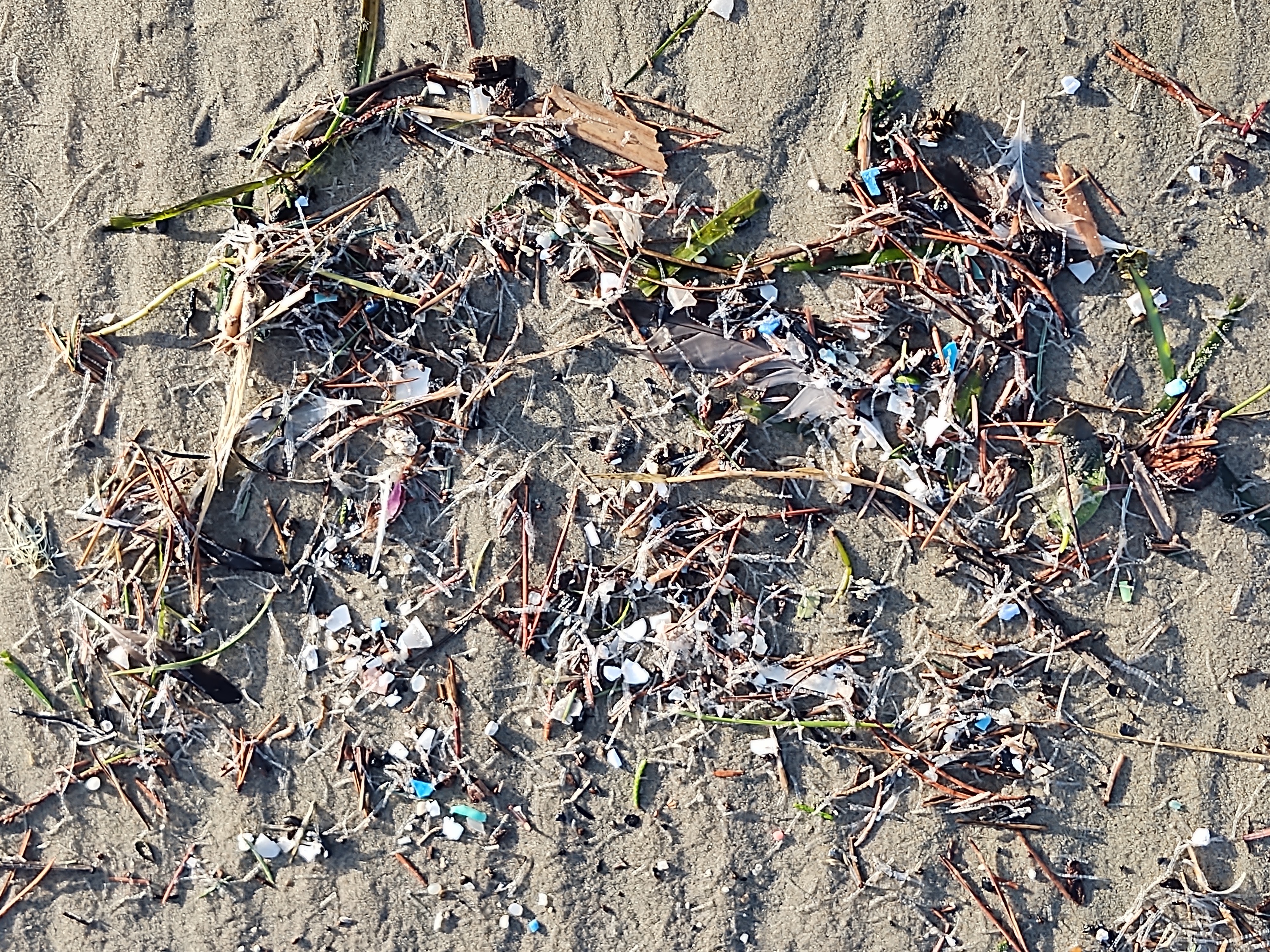
Back to the beach. Instead of shells and rocks, I found trash. Just past the sea lion carcass, where the waves had washed up near the cliffs, blue, white, red, and green plastic litter sparkled in the sun. Embedded in grass and seaweed, most of it was too small to pick up.

The beach wasn’t crowded, but most of the people walking the wave-compacted sand brought their dogs. Those dogs would surely be drawn to the trash. I know mine would. I have caught her eating pens, rubber balls, Frisbees, and paper clips. I find the brightly colored pieces in her feces. I try to keep such things away from her, but people toss them along the roadsides where we walk, and sometimes she swallows the plastic before I can stop her. I worry that one of these thingswill kill her.

In his essay, Hohn tells of albatrosses who eat plastic items and shit them out. Dead birds have been found with cigarette lighters, bottle caps, toys, and other plastic items in their guts. He writes, “Albatross chicks have been known to starve to death on the plastic their parents regurgitate into their mouths, and the intestines of the adult birds can handle only so much before a fatal case of indigestion sets in.”

In the future, will we be able to find water or food that doesn’t sparkle with bits of plastic? Will this invention destroy its creators in the end?

The sky and the ocean were gorgeous, beautiful shades of pale blue. The sand, rocks, and Easter egg-colored buildings along the shore were beautiful. It felt good to get out on the beach and walk, to hear the seagulls laugh and watch a young father run toward the surf with his two-year-old son. But what about all that plastic?

I want to discard every piece of plastic in my house, but I use so much of it, including this computer, every day. Besides, we can’t get rid of it. It will not biodegrade, and most of it is not recyclable.

The plastics industry stresses the usefulness of its products AND their recyclability. Yes, there are those numbers stamped on the bottom which in theory mean they can be recycled. But where I live, the garbage company says no to plastic bags, styrofoam, plastic cutlery, toys, large plastic items, and anything stamped numbers 3 through 7 because they have nowhere to take them. We are instructed to throw them in the regular trash. I’m sure the same is true in many places.

Even with the plastic that can be recycled—mostly bottles—the quantity being discarded far outpaces the ability to remake them into something else. All we can do is try not to buy any more plastic. What we need is a magic wand to make it disappear. It would probably be made of plastic.

More reading:

https://thisisplastics.com/plastics-101/155-years-of-plastic/  (pro-plastic)

https://plasticoceans.org/7-types-of-plastic/ (anti-plastic)

“What are Plastics and Rubbers?”

“Plastic Pollution: Facts and Figures”

“Tops Items from Beach Cleanups: Plastics, Plastics, and More Plastics”

Processing…
Success! You're on the list.

The Volunteer Job Nobody Ever Wants

Who wants to be treasurer? Silence.

Right? In every organization I have belonged to, the one position nobody wants is treasurer. Secretary, sure. Vice president? Easy. President? I’m so flattered. But treasurer? Nope, not me. Okay, occasionally a miracle happens and someone says, “Hey, I’ll do it,” but usually there’s some arm-twisting and hyperventilating involved.

I’m no good with numbers. Spreadsheets scare me. You don’t want me handling the books.

What is this about? We were all forced to take math in school. We all somehow manage to handle our personal finances. We can figure out a recipe. Some of us can do the calculations to build things, and some of us can do music math—eighth notes, whole notes, triplets, 4/4, 6/8, 2/2, etc. But when it comes to being the money person, it’s nuh-uh, not me, I need to get some coffee, go to the restroom, make a call . . .

Nobody wants to be treasurer. I am currently president of a writing organization where our treasurer, who took the job reluctantly last fall, has resigned. This is not the first time this has happened. Other treasurers in other groups have quit, and the books landed on my desk. Why? Because everyone else says “not me.” Do I have any special financial gifts? No. But my bills are paid, and I’m no longer afraid of spreadsheets. In fact, I use them a lot in my writing/publishing business. Think graph paper on a computer screen.

While talking to my brother about this on the phone last night, he noted that we both end up being president of every organization we join. That’s true. Our parents raised to be uber organized and to take charge. Or maybe we just can’t stand anyone else being in charge. Something to discuss in therapy.

Mike has experienced the “not me” for treasurer syndrome, too. Working in the legal field, he also has tales of treasurers deciding to borrow a little money for themselves. Yikes. We not only have to find someone who is willing but someone who is honest.

What is this fear of treasurer jobs? It’s not just writers, who claim they’re all right brain, the creative side, with not much going on in the left brain. But hey, they can calculate word counts, syllables and stanzas. If they can write a villanelle poem with its complex pattern, they can be a treasurer.

It’s money in, money out, pay the bills. You can use a calculator. Yet this article from the BBC tells us that 93 percent of American adults say they’re anxious about math. I think that’s a miscalculation, but that explains why almost nobody wants to be treasurer. When you throw in spreadsheets, it’s all over.

It almost feels uncool to say you like math, bookkeeping, money management, etc. But what about all those people who work in banks, credit unions, tax offices, and well, every big and little business that needs someone to do the accounting? We can do math, my friends. Don’t be afraid.

We will find our new treasurer poet and treat them like royalty. It won’t be me. I already have too many jobs. But I could do it if I wanted to.

How about you? Do you feel numerically challenged? Do spreadsheets terrify you? Have you ever been a treasurer? Would you take it on if asked?

A little extra reading:

https://my.clevelandclinic.org/health/diseases/22545-arithmophobia-fear-of-numbers: Some people are so afraid of numbers, or of certain numbers such as 13, that they have panic attacks. Not good for a potential treasurer.

https://www.bbc.com/worklife/article/20200506-how-to-tackle-your-anxiety-about-maths: “You’re not destined to be bad at maths. You just may need to tackle your ‘mathephobia.’”

https://medium.com/@wpecharsky/i-have-ptss-post-traumatic-spreadsheet-syndrome-97d7c20fbc1a “Why I Hate Spreadsheets”

Photo by Nataliya Vaitkevich on Pexels.com

Processing…
Success! You're on the list.