Dizzy Dog Returns to South Beach

Nothing like sleeping in your own bed (or near it) after a long stay in the hospital

Annie is home. On Friday, when I saw her pulling the vet worker along the sidewalk, I knew my old friend was too stubborn to die yet. She walks like a drunken sailor, leaning left. I have to walk with her, grabbing her “Help ‘em Up” harness whenever she starts to tilt. She falls a lot, runs into things. She has a bloody bedsore on her elbow and shaved patches here and there from IVs and blood tests. She spent a week with a catheter because she could not stand to pee, and that caused a urinary tract infection. But she’s home and getting stronger every day.

Vestibular Disease, a sort of doggy vertigo, knocked her flat on Christmas Day. (Read about it in the Dec. 28 post) She spent the next two weeks at the Willamette Veterinary Hospital in Corvallis, 55 miles from here. Due to COVID, I could not go inside with her. I could only sit in my car in the parking lot with all the other pet people. I finally got to see her last Wednesday after waiting five hours for the busy staff to bring her out for a socially distanced visit. I cried a lot that day. (Read more about that at my Childless by Marriage blog.)

As she barrels cockeyed toward the step down into the den, I race to catch her, reminding her that a only few days ago, she couldn’t stand, and walking was only a dream. Two weeks ago, she couldn’t eat, drink or urinate. But now she’s eating, drinking, taking her pills, doing her “business” and wanting to take our usual hikes.

Saturday, I took her out front, intending to walk maybe two houses down, but she led me two blocks to where Birch and 98th streets meet and refused to turn around when I insisted we had done enough. She took offense when I grabbed the handles of her harness and forced her away from her favorite mud puddles. “No,” I said. She stared at me as if to ask, “Why? And why can’t I just go out my doggy door into the big back yard by myself?” “Because you’ll fall and hurt yourself.” But I’ll be taking off the harness and opening the gate soon. Thank God.

She’s bored. Just like when I left her at the kennel while I traveled, she has returned more stubborn than ever and doesn’t want to follow my commands to sit, stay, or “leave it.” She no longer waits for me to say grace before meals. When I go to take her out, she inevitably parks herself on the backside of the door so I can’t open it without forcibly moving her out of the way. Then she shoots out the door so fast I can barely keep her from falling. Slow down, slow down, I say.

What lovely problems to have. For two weeks, constantly waiting for phone calls from the hospital, I didn’t know if Annie would survive. I kept waiting for a vet to tell me it was time to say goodbye. Now here she is sprawled on her pillow looking like . . . Annie. 

I have been sleeping on the sofa next to her bed so I can hear her when she gets up. I tried sleeping in my own bed the first night, but I worried too much. Without my hearing aids, I would be unaware of what was going on in the other room. Why not bring her bed into my room? Annie is more stubborn than I am. She wants to sleep where she wants to sleep. I don’t mind. With the fireplace going, it’s like we’re on a camping trip.

She’s not cured but well enough to want to do her usual stuff again. It’s a miracle. Most old dogs who get Vestibular Disease recover in a few days. If they don’t, well, it’s not good. Annie was in the hospital for two weeks, most of them not standing or walking at all. It was starting to look grim. Annie is old, 13 next month. I know she won’t live forever. But I have hope now that she will live long enough to give me more gray hairs. And joy. So much joy. 

The rest of the world is going batshit nuts, but today in the world of Annie and Sue, things are pretty good. Thank you, friends for all the well wishes and prayers. It truly means a lot.  

My New Roommate Alexa Moves In

This New Year’s Eve, I started getting to know my new companion, Alexa. Some of you may know Alexa, Amazon’s artificial intelligence interface that connects via the “cloud” with all of your electronic devices. I accessed her by a new Echo Dot I bought myself for Christmas.

Alexa is combination servant, savant, and friend.

“Alexa, put bread on my shopping list.” “Alexa, what time is it?” “Alexa what’s on TV?” And she answers, cheerfully. When I say “please,” as I was taught, it sounds extraneous. When I say, “Thank you,” she never replies, “You’re welcome.” I can just boss her around, which feels wrong. But she is good company.

On New Year’s Eve, I said, “Alexa, happy new year.” She replied, “Woo hoo! Happy New Year to you.” which made me laugh. I asked her to play Willie Nelson’s “Stardust” album, which brought back memories of a special time around 1980. I danced around my kitchen, singing along and felt totally content. Alexa’s sound quality is excellent.

This being the beginning of a new year, on Saturday I asked Alexa to find me an exercise program to do indoors since the weather outside was frightful. No problem. She told my Smart TV what to do. Soon I was running, jumping, stepping, squatting, and doing pushups and crunches, but I drew the line at burpees. I do not burpee, but boy, can I punch the air.

Maybe today I’ll ask Alexa to find me a yoga program where I’m not sitting on a chair doing old-people yoga or flailing around on the floor screaming, “Wait, wait, I can’t keep up! You want me to put my foot where???”

On New Year’s Day, when I said, “Alexa, I feel sad,” she offered sympathy. “I’m sorry. You know, sometimes it helps to talk to a friend.” Indeed.

With Annie currently residing in the animal hospital in Corvallis, she gives me someone to say good morning to. Not only does she answer, “Good morning,” but she offers trivia. For example, yesterday was Aretha Franklin’s birthday. If I ask, she’ll give me the latest news, too.

Alexa will set a timer for me. I still feel bad that when I first tried it, I wound up yelling at her after she kept making this r2d2 sound and wouldn’t quit. I said, “Okay. That’s good. Thank you.” Finally, I hollered, “Alexa, shut it off!” And she did. I hadn’t said “Simon says,” I mean “Alexa.” My friend Pat, who has her own Alexa, says I just need to say, “Alexa, off.”

I could set her up so I don’t have to say Alexa’s name, but honestly I talk to myself all the time, and I don’t want her to interrupt. It’s bad enough when I inadvertently say “Alexa” and she chimes in uninvited. Sort of like a certain mother-in-law who used to park at my kitchen table and comment on everything I did.

Sometimes I find myself whispering so Alexa won’t hear me. But that’s kind of rude.

She’s not real, Sue, she’s not real.

Alexa is a bit literal. When I asked her what’s on my calendar, even though I knew—Zoom Mass at St. Anthony’s, abbreviated St. A, she said I was to report to “Street A.” If I ask her a vague question, like “where is heaven?” she’ll give me something from Wikipedia. If I ask, “What can I watch on Netflix that doesn’t give me a headache?” she won’t understand the question. I need to be clear about what I want from Alexa. I suspect that’s true in all relationships.

At least she doesn’t complain, even though I keep testing her and relocating her as I try to find the best spot.

She also tells lame jokes, like my late cousin Jerry. Example: Why don’t cats play basketball? They keep throwing hairballs.

Turns out there is a real person with that soothing voice. Susan Caplin, a voice actress, offers this very funny video about interacting with her AI self.

Why is she called Alexa? Check out this website that discusses the origin of Alexa’s name and the dilemma when the user or a family member is also named Alexa.

So far, Alexa has been a lovely gift to myself and she will be helpful with those many times when I am doing two things at once and need a reminder to rescue the wet laundry, turn off the stove, or report to the Zoom room. I don’t need her assistance. A lot of what she does I can do perfectly fine myself. But I can see how she would be a Godsend for someone who is bedridden or otherwise handicapped. For me, she’s good company. Her lights are pretty, and she has a lovely voice.

If only Alexa could hug me.

Of course there is always the concern that Ms. Alexa is going to know too much about me and share it with people who shouldn’t know, so some things I will only tell my dog, who has not yet mastered English.

As of today, Annie, featured in last week’s post, is still at the hospital in Corvallis. Ten days and counting. She is eating, drinking, and chewing on her blanket, tubes, and whatever else she can reach, but she is still not walking, and she can’t come home until she can get up on her four feet. Please God, let that happen soon. It’s mighty strange around here without my flesh and blood companion.

I just asked Alexa if she wanted to go for a walk. She said, “Hm. I’m not sure.” Not the same. A dog always knows the answer to that question.

Thank you to everyone who has offered prayers and support. It means a lot.

Be Merry, Be Healthy, Keep Singing

Merry Christmas, dear friends. Although this year has been a disaster and I can name lots of things that I miss–my family, hugs, eating out, in-person church, parties, swimming, lipstick, performing, live music, theater, travel, potlucks, new episodes of my favorite TV shows–I can also name quite a few things I’m grateful for this year. All of you who are reading this are right up at the top.

Sick as we all are of Zoom, it has allowed me to connect with people all over the world whom I would not usually be able to see without leaving home and traveling many miles. I have done readings and attended workshops that would have been impossible for me to get to in normal life. We are blessed to have technology that connects us in all kinds of ways. Yesterday, a friend who lives nearby but is staying home to avoid COVID video-called me via Facebook messenger. I didn’t even know that was possible, but it was great to talk to him.

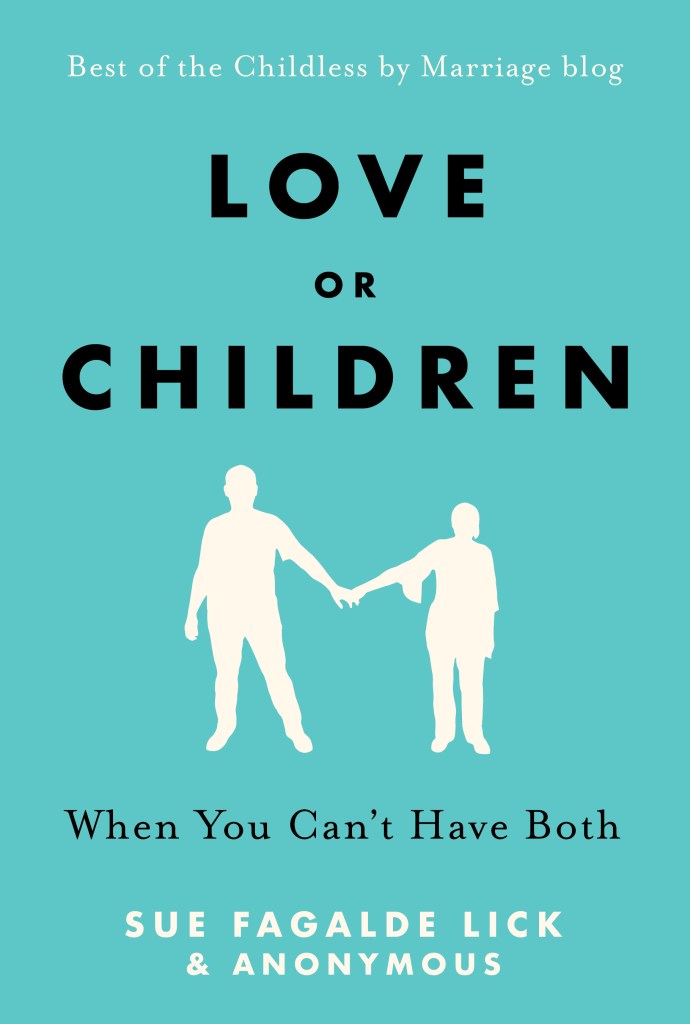
Staying home has given me more time to read–81 books and counting this year–and to write. I was blessed with a poetry chapbook (The Widow at the Piano) that came out in March and a new book about childlessness, Love or Children: When You Can’t Have Both, that made its first appearance on December 7.

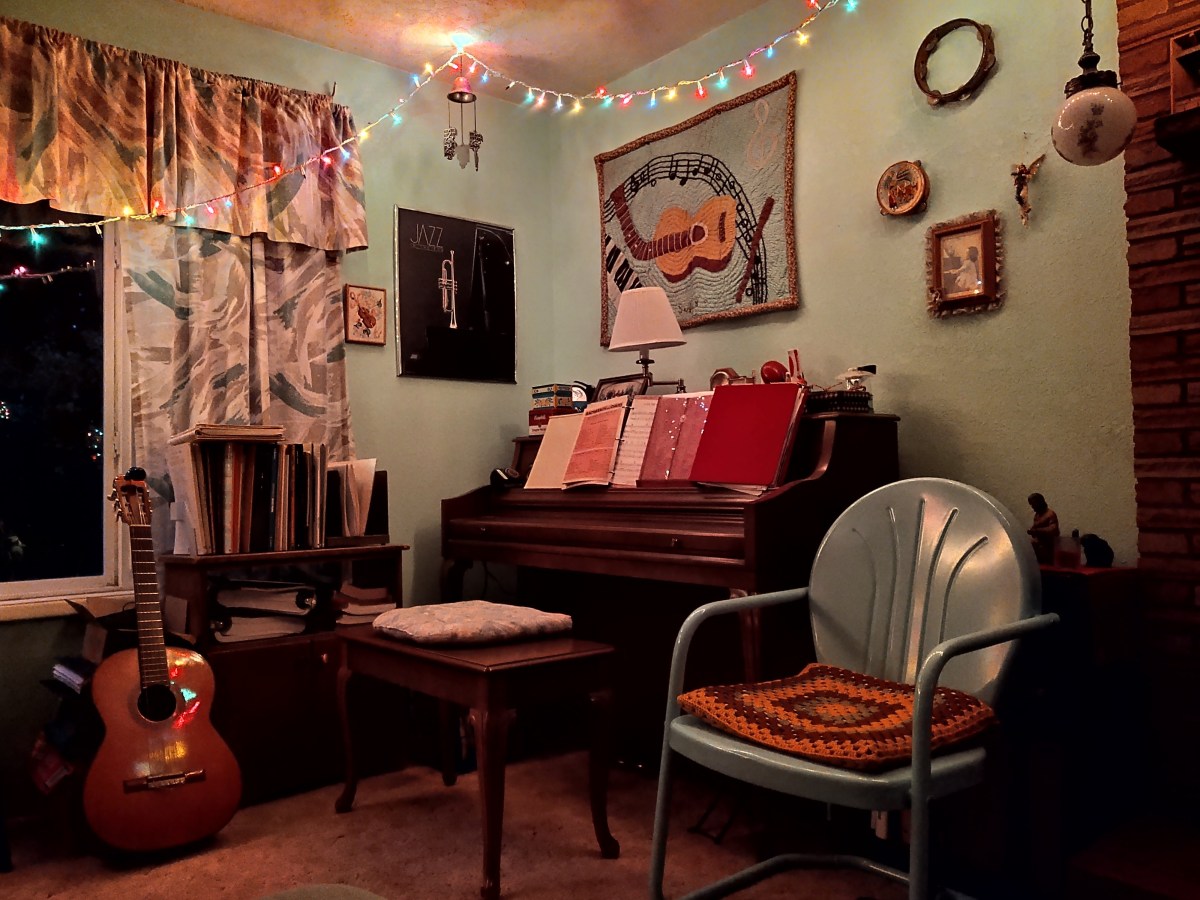
I have been lucky to still be able to sing and play at church for our recorded Masses at St. Anthony’s in Waldport. Most other musical outlets are closed, but I’m still singing for God, and I’m grateful.

I’m also thankful for Annie the dog and our long walks, for time to bake and try out new recipes, and time to connect by phone or online with people I can’t see in person. I’m grateful that the beach is still nearby.

It has been a hard year. I have lost nine friends in 2020 and may lose more before the year ends. I’m still grieving the loss of my father and the house I grew up in. Of course, I miss my husband, too. I know now why some old ladies weep so often. But we go on. As I write this, I have fresh-baked honey-oat bread to eat with homemade spinach soup and fruit salad for dinner, I’m reading a book I’m finding hard to put down–The Book of Longings by Sue Monk Kidd, and I still have more episodes of “Victoria” on Amazon Prime to watch. Plus, I actually got my bathrooms clean and my laundry done. I am blessed.

I wish you all the best possible holidays this year. If it can’t be the usual lollapalooza, enjoy the simple things, being with the people in your “bubble,” singing the songs, saying the prayers, eating the food, soaking in the decorations, and watching those corny Christmas movies.

I’m not good at making music videos. I’m embarrassed to say how many tries it took to make the one posted here and how many more tries it took to get it online, all the while having to listen to myself sing. Let’s just say, I don’t need to sing Silent Night again unless I can sing harmony with someone else.

Big socially distanced hugs,

Sue

In the Wild: What If I Don’t Make It Home?

Halfway up the long-deserted path, I start thinking: what if I die out here? The trees have grown up over my head on both sides and the path is just wide enough for Annie to pull me along through salal, blackberries, Scotch broom, and young pines. We usually stay on the roads, but Annie keeps finding human garbage to eat, and I’m tired of having to pry it out of her mouth. (Use trash cans, people!)

Once upon a time, the entrance to this trail was wide open, with a log to the side that I used to rest on. Now the log is half rotten and buried in Scotch broom and blackberries.

The trail is part of several acres east of Cedar Street in South Beach that were once cleared for a potential golf course resort, leaving rows of tree trunks that looked like gravestones. When that plan was delayed and dropped, the plants grew back, leaving a maze of trails that my late husband Fred, our old dog Sadie, and I explored back in the days we were all had good knees.

Annie read my mind today when I thought about trying this path again. I had my rugged shoes and old pants on. I had plenty of time. The knee that locked up early in our walk felt strong now. So here we are.

The chain at the trail entrance is not quite a foot off the ground, but Annie can’t jump it anymore. She has old knees, shored up with pins and posts. She army-crawls under and I steps over. She leads and I follow.

Soon we are far from civilization, hidden in the trees. What if my knee gives out? What if Annie’s knees give out? What if bears or cougars are lurking nearby?

We have seen deer, rabbits, squirrels, and garter snakes on past walks. I have stepped over “woolly bear” caterpillars and orange-bellied newts. Is that cougar scat over there?

Wildlife experts say making noise will let the critters know you are there and convince them to steer clear. I start to sing. Amazing Grace, Swing Low Sweet Chariot. Steal Away. Every spiritual I can think of. Blackberry thorns scrape my coat, pulling threads. My feet slip on rocks. All the while, feet and paws keep pushing along.

We’re halfway through, too far from either end to get out easily, when I think about dying. I’m 68. People my age have strokes and heart attacks. I could fall. I could get ripped up by a bear that doesn’t like spirituals.

If I die, who will know that the new book that is this close to publication is sitting in my computer? No one else knows what I do at my desk all day. Who will eat the food in my fridge before it spoils? Who will tell the church choir director I won’t be there this weekend? Who will tell my friends and family I’m dead? What if Annie survives and I don’t? She has no clue how to feed herself in the wild.

Who will find my body? I can’t die. I haven’t decided yet whether I want to be buried or cremated.

Okay. Focus on the trail. Smell the smells, see the sights, feel the duff underfoot.

Left, right, left, right. Uphill to a small clearing, steep rocky downhill, don’t slip, blackberry thorns tearing my coat. Okay, almost there. I hoped for a view of the ravine and the airport beyond, but the trees have grown too tall. I catch just a glimpse of a red and white marker on the runway.

In the summer, Annie and I ate blackberries off the vines, but now there’s nothing left but wrinkled nubs. Someone left a sofa cushion by one of the most prolific vines. How did they get it there? Why?

A few feet on, Annie suddenly drops and rolls. Mud and what else? Something dead, something disgusting. Come on, dog.

Almost there. Pines and vines rise high on both sides. It feels like walking through a canopy of garlands or crossed swords as we emerge on Cedar Street. Where are the cheering crowds?

Annie hesitates.

“Do you know where you are?” I ask. “We made it.” No bears out here, at least not in daylight. Houses, people, cars, other dogs. Safety.

She chugs on like a machine; she will need a pain pill tonight.

I wonder if I should leave a list of everything not done every time I leave the house. But how could I keep it up? It’s impossible. Something will always be left undone. Life is like a test where you can’t see the bottom of the page and you will not finish before God calls “pencils up.”

Winter is here. We’ll stay on the roads for a while, but I’m sure the trails will beckon again. I have a lot more songs to sing.

***

That was last week. Since we survived, I’m happy to report that the new book, Love or Children: When You Can’t Have Both, is now available for purchase at Amazon.com and will be available by the weekend to order from your favorite bookstore. It is a compilation of posts from my Childless by Marriage blog and attempts to answer the question “What do you do if your partner can’t or won’t have children with you?” Stay tuned for information about upcoming book events.

If I don’t get eaten by a bear.

Thanksgiving is Looking Different This Year

My brother Mike and I at Thanksgiving 2010. A lot has changed since then.

Thanksgiving is THIS WEEK. I made a mad dash to the J.C. Market yesterday for Thanksgiving cooking needs because I had just realized how close the holiday was. Now my turkey is in the refrigerator starting its long defrost. Bread pieces for stuffing wait on the counter. I’ve got potatoes, celery, apples, a bottle of chardonnay . . . my friend is bringing a pumpkin cake, cranberry sauce, corn casserole . . . it sounds like a regular Thanksgiving. But it won’t be.

Pat and I, both widows, are doing the day together. Our families are far away. Her son’s family is in Connecticut. Her daughter and son-in-law in California have COVID-19. My family is in California, too. In past years, I would drive to San Jose, spend a couple days with my father, then drive him to my brother’s place in Cathey’s Valley near Yosemite. That big house would fill with brothers, sisters, aunts, uncles and cousins. Babies, toddlers and older kids would be running around, along with several dogs. Football on TV. Cheese and crackers on the counter. Big tables laden with turkey, stuffing, ham, two kinds of potatoes, and more side dishes than I can name, plus three kinds of desserts. “Pass the gravy,” we’d hear. “Oh, this is so good.” “How’s it going up in Oregon?”

We would remember those who had passed on, drink a toast to them, hope they were having a good time in heaven.

After dinner, we’d stretch out in the living room, talk, watch TV, maybe go for a walk or a scenic drive. Later, there’d be turkey sandwiches and leftovers packed up for those who had to leave. We’d fall asleep full, not just with food, but love and family and gratitude.

When we were kids, my parents hosted most of the holidays. Somewhere I have pictures of all the grandparents, aunts, uncles and cousins sitting around that big table, eating, joking, talking over each other. Somewhere are home movies of those times, taken by my dad as we sat blinded by the light. When asked to say grace, my mother’s father would say, “Grace! Let’s eat.”

In later years, my mother did say a real grace, and then we passed the food in both directions at once while people knocked bowls against each other. Someone might toss a roll to someone across the table. We were so sophisticated.

Holidays were never totally idyllic. Arguments broke out. People’s feelings got hurt. One year, my sister-in-law’s garbage disposal overflowed, and the men took turns on the floor trying to fix it. One year my mother’s oven didn’t work and the turkey was raw. In his later years, Grandpa hallucinated with dementia. Later, when my husband had Alzheimer’s, he was lost and confused all day. Toward the end of his life, my father sat silent, unable to hear much of what people said. But I also remember him smiling at his baby great-granddaughter, making faces at her.

Shoot, I’m going to cry. My father passed away last year. So many are gone. The youngest baby is walking and talking, and I haven’t seen her since before she could crawl.

Stupid COVID. Most years I worry about the weather driving to and from California in the winter. If it’s snowing at Siskiyou Pass, then I have to take the coast route, driving through wind, rain and mudslides. Not fun either way. But I haven’t made that drive since last Thanksgiving. After years of going back and forth, it’s strange. I haven’t left the Oregon coast since March.

I debated about going south for Thanksgiving, but ultimately decided I would stay home this year. When I called my brother to tell him, he already knew. The governors of both states had just locked everything down because of the latest surge in COVID cases.

Newscasters, government officials and doctors are all saying the same thing. Do not gather in a large group for Thanksgiving. Stay home. Keep it small. Don’t risk spreading COVID. I fear a lot of people will ignore that advice and spread the virus even more.

This is Pat’s first Thanksgiving without her husband, who died in July. It will be hard. Every first holiday is hard. My husband died the day before Easter. I went to Easter dinner at a friend’s house where I felt like an outsider with her family. They were all sorry my husband had passed, but they quickly went on to other subjects. I don’t blame them. No matter where you go, you feel like you’re from another planet when a loved one has just died.

Anyway, Pat and I, who have claimed each other as the sisters we never had, are planning a huge meal, to be followed by a movie. Maybe, if the weather cooperates, we’ll soak in the hot tub. Maybe we’ll Zoom call our families. Maybe we’ll cry a little. And we’ll eat leftovers for a week.

What are your plans, dear friends? How are they different this year?

And Then Came the Demolition Crew

In my dream, everything was different in the old neighborhood. The house was gone. Where the road used to continue, now there was swath of green grass. After crossing it, Annie the dog and I found ourselves on a freeway overpass with nowhere to go except to jump off. Annie went first, landing in a pile of broken bones. I followed, knowing I would be badly hurt, too, but I had no choice . . .

I seemed to land unscathed, but I knew I must be injured. I went to get help, but no one seemed to care . . .

This morning, Annie is fine, but my body feels as if I did jump off a bridge and fracture every bone. Welcome to winter plus arthritis and a couple other itis-es.

What spurred this dream? Partially the book I just finished, Raven Stole the Moon by Garth Stein, in which the characters are being chased by shape-shifting spirits, but mostly the email I received Halloween night from a man who lives in my parents’ old neighborhood. He sent me the picture above and a description of what he’d seen. Click here for the Google Earth view of what it used to look like.

The old house where I grew up is gone, torn down except for the frame of the bedrooms. I had to look hard to recognize the site. It appears the old fences and patio are also gone. The fruit trees in the back might be there; it’s hard to tell. A dumpster sits in the driveway, and next to it, so forlorn, sits the old piano, the 1890s cabinet grand passed down to us from Grandpa’s house before it was torn down in the 1960s. An old blanket partially covers the piano, but even in warmer, drier San Jose, that’s not much protection.

I cried. It’s just a house. It was falling apart. It needed new plumbing, wiring, roof, floors, heating, and windows. It had giant cracks from the Loma Prieta earthquake. Once Dad passed away a little over a year ago, our story in that house was done. I know that. In my head. But in my heart, it was still home.

It’s not a surprise. This is what people are doing in the old San Jose neighborhoods. They buy the old houses for a million dollars then tear them down and build new mini-mansions on the property. They want the land, not the house or someone else’s memories. Will the new owners live there or will they “flip it” for millions of dollars? I don’t know.

Why did they bother keeping the bedroom frame? I have heard that people do that so it’s called a “remodel” and not construction of a whole new house. Something about fees and taxes.

So sad. Also such a waste. Before the sale, the realtor arranged for the house to be repainted in and out. New carpet and linoleum and bathroom fixtures were installed. I barely recognized the place when I walked in to pick up a few last boxes last November. And now it’s all gone. Poor people with bare floors could use that creamy new carpet, but into the dumpster it went, along with the wood from the patio and the brick from the barbecue that my father and grandfather built by hand . . .

Why couldn’t the house be sold as affordable housing to a family that does not have a few million dollars in the bank? But that’s not what’s happening in that neighborhood.

As far as I know, not a single Fagalde remains in San Jose. All the descendants of Great-Grandpa Joe and Grandma Louise have either died or moved away to where it’s less crowded and less expensive and where they can find that sense of community that seems to be lost in Santa Clara/Silicon Valley. Just like Fred and I did when we moved to Oregon.

I am so grateful to Dad’s neighbor for letting me and my brother know about the house so we didn’t have to drive there one day without knowing what we would see. Because of COVID, neither of us has gone to San Jose since March. Now we don’t need to.

Although you know I will. I’m too curious to not look. And I will weep some more. Then I will leap off the metaphorical bridge into my own life here in Oregon with my own home that I love, and I will go on with Annie, who is just fine. She has eaten her kibble and gone back to sleep because hey, it’s still dark out, and that’s what dogs do.

In movies and books, people are always returning to homes that have been in the family for generations. Even in Stein’s spooky book, Jenna revisits her grandmother’s house in Alaska. It’s empty except for rodents and ghosts, but it’s still there.

How about you? Is the home where you grew up still standing? Does anyone you know live in it? I’d love to hear your stories.

Remembering Singer-Songwriter Sue

I came face to face with my younger self when a cleaning frenzy unearthed this photo from a poster advertising a performance from years ago. The photo, fading and streaked, was mounted on black cardboard that had been chewed by what appears to be a rat. But you can still read most of the white lettering: Friday, Oct. 15 (1982?) Sue Barnard, folk singer-guitarist. (Barnard, pronounced bar-NARD, was my first husband’s surname).

I remember that gig. San Francisco Press Club. I was so nervous I had diarrhea and a sore throat. I mean, the last singer they had was from Broadway. There I was in my homemade clothes singing “Today while the blossoms . . .” and strumming a nylon-stringed guitar. The performance itself is a blur. I do remember how relieved I felt when it was over.

I was about 30 years old, working as a reporter at the Pacifica Tribune. I stare at the photo. I was pretty. No glasses, minimal makeup, longish hair parted on the side. Hands forming a C chord. I did not own a steel string guitar, couldn’t afford it. Sometimes I borrowed a friend’s guitar. I recorded my songs on a shoebox-sized cassette recorder.

I was so earnest back then, my songs so . . . well, I wrote about love, birds, rainbows, my dog. I had suffered through mild poverty and a divorce, but I didn’t know anything yet. So much more was to come. So much.

I miss that young woman. Not just the way I looked but the innocence, the lack of that constant underlying sadness I feel these days.

There was stuff. My stomach issues began in that era. The newspaper deadlines were so intense I often felt like weeping as I counted out headlines by hand and typed as fast as I could on that manual Royal typewriter. I had no money. My car never worked. In foggy Pacifica, we didn’t see the sun for months at a time. I was dating a guy who repeatedly broke my heart.

But I miss that singer-songwriter with the other name (I don’t miss that name) with her crocheted vest sitting on a rock overlooking the beach while her reporter friend Sandy Noack took her picture. I probably processed the film and developed the photo in the Tribune darkroom. I can still smell the chemicals. Using the quick and dirty method we employed for pictures that needed to last only until the paper came out, I didn’t think about “archival processing.” So the photo is fading.

I loved that job at the Tribune. I loved Jim, the hard-drinking photo guy, Tom the jaded police reporter, Mr. Drake the publisher with his bow tie and tweed blazer, Peggy the feature writer, Shirley the office manager who gave me advances on my paycheck, Cynthia the office cat. . . The building reeked of cigarette and cigar smoke and rotting paper. I’ll bet there were rats there, too. Cynthia spent most of her time curled on my lap as I wrote my stories.

I wrote a lot of songs back then. At least once, a song grabbed me during my lunch break and I was late getting back to work. I brought my guitar and played my new song for Paula, the editor. “This is why I was late,” I said. She probably just shook her head, muttering, “Barnard . . .”

I quit that job to sing with the Billy Vogue Country Singers, a Grand Ole Opry knockoff, Ryman set and all, that promised money and fame. We were supposed to spend a year touring the United States, but we went bust before we got out of California. Back to the newspaper biz. Do I regret leaving a job I loved to go sing? No. I had to try it. For as long as it lasted, the show was magical. We were good. I wish I had a video or audio recording, but it was 1983. I have a program, sheet music, and memories.

If I hadn’t gone off to sing and wound up unemployed and living at my parents’ house, I wouldn’t have met my late husband Fred, so it was clearly meant to be.

Fast forward 38 years. I don’t have that last name anymore, but I do have that guitar—and a lot more instruments. The old Fender guitar sounds better with age, and I play better, too.

Ah, time. Where did it go?

More to the point, is the rat that nibbled the poster the same rat I murdered last Christmas or is there another rat living in my house?

Thanks for sharing this trip down memory lane.  

The Most Important Meal of the Day

My mother was a saint. Not only did she rise in the wee hours to make breakfast for my father before he went off to work as an electrician, but she had to deal with my brother and me, rousting us out of bed, getting us into the one bathroom between dad’s trips, making our lunches, getting us dressed and out the door in time for school. Dad would eat, she’d kiss him goodbye—I remember the smack of their lips coming together—and then she’d turn around and feed us, loading the washing machine while we ate. All before she had her morning coffee—which she didn’t like anyway.

Mom couldn’t just pass out Pop Tarts or boxes of dry cereal for breakfast. Dad, who grew up on a ranch, needed bacon or sausage, eggs and waffles, pancakes or hash browns—a real breakfast—or what I now think of as a cholesterol fest. I still remember the taste of fried linguiça and eggs and how it sat heavy in my stomach.

With meals like these, we were not skinny people, but my parents, God bless them, always told me I was “just right.”

I started counting calories as a high school senior when I overheard the popular girls talking about how much they weighed. I weighed 30 pounds more than that! Was I fat? I looked down at my thighs. I was! Poor mom. I’d bring my calorie book to the table and tally the numbers. I can’t eat that! Too fattening. Nope. That’s xxx calories.

At first I cut back to just toast in the morning, but then I started eating Campbell’s soup for breakfast–only the flavors with under 100 calories per serving: chicken noodle, tomato, cream of mushroom cooked with water. I lost that 30 pounds between high school graduation and the middle of my first year of college. No “freshman 15” for me. I was still living at home, eating only soup, orange juice bars, yogurt, meat and vegetables.

Too good for her own good, my mother prepared my weird meals at weird times to accommodate my classes and part-time retail jobs at the mall while also cooking big meat-and-potatoes meals for Dad and my brother. If I were my mom, I’d have told me to cook my own damned diet dinners.

Although I abandoned the usual starch-and-cholesterol breakfast, I have always eaten something in the morning. With tea. Nobody else in the family drank tea. We didn’t have a kettle. I hovered over a Revere Ware pot, watching the water heat from tiny pinpricks to big floppy bubbles while Mom worked around me, trying to prepare my brother’s breakfast, a smaller version of Dad’s.

I took my “weird” breakfasts into adulthood. For a while between marriages, my breakfast consisted of Entenmanns’ chocolate donuts. But I was exercising like a madwoman, and I couldn’t afford to go to restaurants, so I stayed thin.

Ah, where did that self-discipline go? I got hungry. I got old. I got tired. I learned to bake.

Let’s call my typical breakfast “continental.” Sounds classy. I have orange juice, herb tea, half a grapefruit, and something baked—muffin, coffeecake, banana bread, bagel–with a butter substitute made with yogurt. I get cranky when I have to eat something else. If there is no pastry to look forward to, what’s the point of getting up?

“That’s not breakfast,” my father would say. Until he died last year, I would bring my own juice, tea, fruit and bagels when I visited him in San Jose. I left a tea kettle and a grapefruit spoon in the drawer in my old bedroom.

After Mom died, Dad ate oatmeal every day. He sliced a banana into the bowl, poured oatmeal over it, and topped it with sugar and milk. He ate one slice of white toast topped with I Can’t Believe It’s Not Butter and drank one cup of coffee. He would shake his head at my weird breakfast as I dipped my serrated grapefruit spoon into the tart red fruit. Oatmeal is good for you, he’d say. I know. Everybody says that, but it tastes like cardboard.

When I’m asked out to breakfast, I tell my friends, “I don’t do breakfast. How about lunch?” Not only do I eat different foods from the usual breakfast menu, but I’m not ready for other people first thing in the morning. If Mom were still around, she’d advise you to avoid me till the caffeine and sugar kick in.

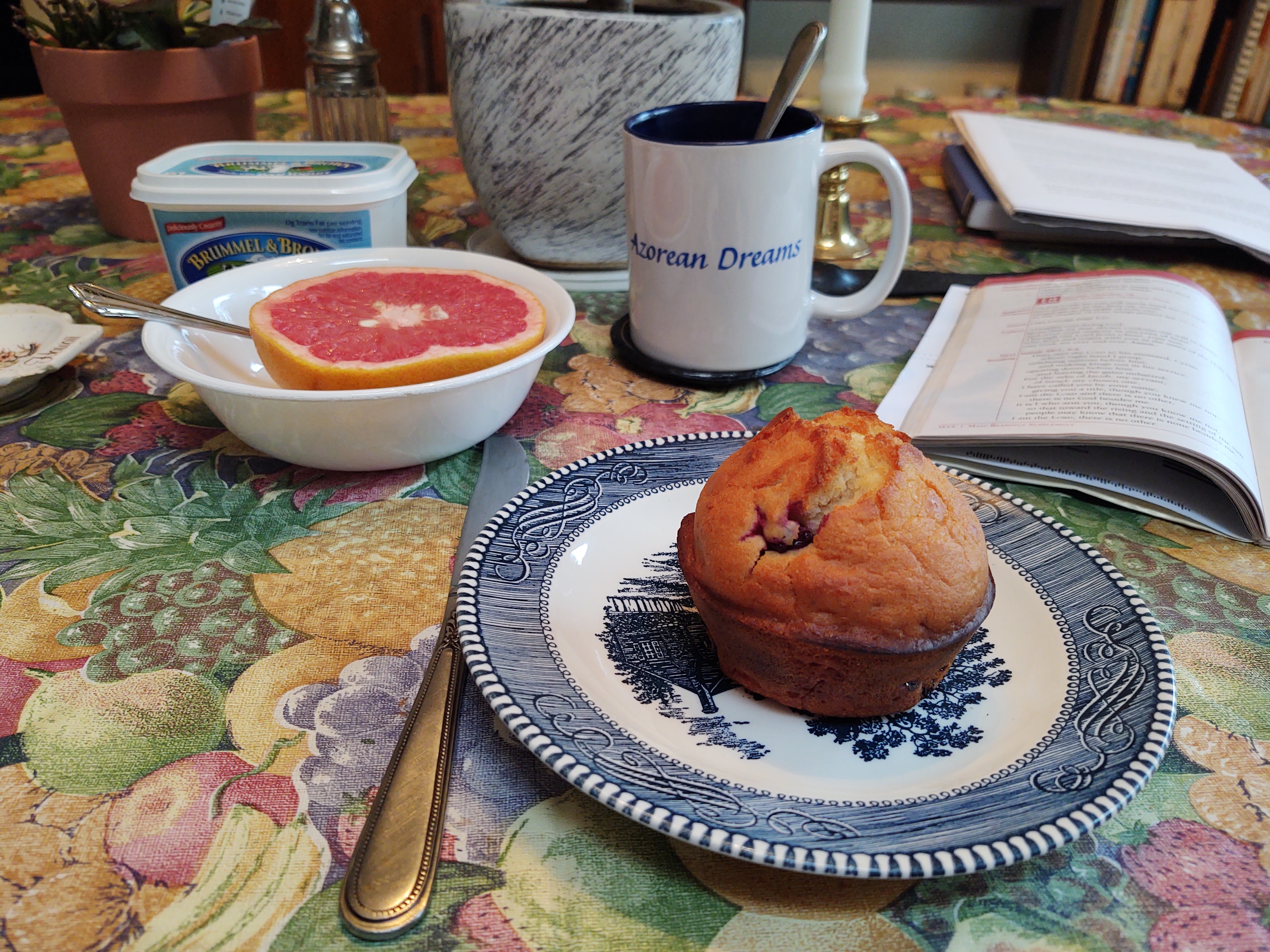
This morning around 7:30, I ate half a ruby grapefruit and a homemade blackberry muffin slathered with my yogurt spread. Delicious. My Red Zinger tea cut the sweetness nicely. How many calories? I have no idea, although I’m sure it’s less than I’d get with the Costco muffins I binged on back in San Jose before I learned just how fattening they were. By making my own, I can use healthier ingredients with no mysterious chemicals.

Dietitians would have a fit about what I eat. Someday the family diabetes curse may catch up with me. Meanwhile I’ll keep doing breakfast my way. It makes me happy.

What makes you happy for breakfast? Or do you skip breakfast? How does your breakfast now compare to what you ate as a child? Let’s chat about the first meal of the day.

Additional reading:

“I Broke Breakfast” by Amanda Mull, The Atlantic, May 14, 2019

“Most Popular North American Breakfasts,” TasteAtlas, Oct. 15, 2020

“American Breakfast,” Tasteessence

As a Writer, Who are My People?

Novelist Ayad Akhtar, interviewed in the September/October issue of Poets & Writers, was asked about being expected, as a Pakistani writer, to speak for “his people.” He replied that for him, it’s a mixed bag of all his experiences, including being Pakistani.

I think it has to be that way for all of us. We are not just any one thing. Any one box would leave a lot out.

I think of myself as representing the working class, people who come from families of construction workers, janitors, retail employees, etc., people who didn’t go to college, or if they did, it was community college or a state university. Princeton? Yale? Not in our wildest dreams. Fraternities? Too busy working. Trips to Europe? I didn’t even go to Girl Scout camp.

Our family didn’t fly to Hawaii; we went trailer camping at Seacliff or Donner Lake. We didn’t go to the opera or the ballet; we went to CB “coffee breaks” with barbecue, country music, and raffles of CB radio gear. My dad only wore a suit to weddings and funerals. He drank beer, not martinis. But he was a VIP to me.

Suddenly I remember a song, “Working Class Blues,” that I wrote when I was editor of the Saratoga News back in California and found myself hanging out with a whole different class of people, people who owned million-dollar houses when a million dollars meant something. I remember thinking none of my shoes were good enough.

The chorus: “We’re working class, just ordinary folks./We’ll never be rich, but we’re not exactly broke./We’re salt of the earth, and if nothing else is true,/look out snobs ‘cause there’s more of us than you.”

Simply put, if I lived at Downton Abbey, I’d be downstairs with the workers, not upstairs with the lords and ladies. And I’m cool with that.

I also represent people of a certain age with certain memories and experiences: The Beatles, Vietnam, wearing pantyhose and mini-skirts to high school, typewriters, phones attached to the wall, TV antennas on the roof. My first car was a blue VW bug, for which I paid $500, earned tutoring and giving guitar lessons. My parents did not give me a car for graduation; they gave me a sewing machine because girls were expected to be housewives and do lots of needlework.

Then there’s the ethnic part. I’m half Portuguese, on my mother’s side. On the other side, I’ve got some Spanish, Mexican, Basque, German, and a smidge of Scottish. A recent article in the Portuguese-American Journal cited a New York Times article that referred to Portuguese Americans as non-white. Really? That’s a surprise to me. I always thought we were Caucasian.

When writing my book Stories Never Told: Portuguese Women in California, many of my interviewees told of being harassed for being black or brown when they knew they were as white as any of their harassers. Were they wrong? Does it matter? If you add my Portuguese and Latin influences, can I accurately call myself a “person of color?” That’s fine, but what about the rest of me? Am I “mixed-ish” like on the TV show? Does it matter? If you go back far enough in history, we’re all a mixture.

Setting DNA aside, I’m a typical California blend of the various nationalities that settled there. I have black hair, brown eyes, and olive skin. So what? That’s just genetics. Sure, we tossed around some Portuguese and Spanish words at my house, but I never attended a Portuguese event until I decided to write my book about Portuguese women. Three generations in, my experiences were vastly different from those of recent immigrants.

So who are my people? Working class, part Hispanic, baby boomer women who never had children or grandchildren; widows; people who live alone; left-handed, ice tea-drinking, Honda-driving, guitar-playing, dog-loving, poem-writing, left-leaning, Netflix-watching Oregonians who came from California.

What one person can speak for all that? We are all mixed bags of histories, ethnicities, experiences, and feelings. I’m going to just write, and if it speaks for “my people,” whoever they are, I’m glad. I suppose if I get famous enough, the critics will decide who “my people” are. And they’ll probably get it wrong.

What do you think? Who are “your people?” Do you worry about representing them in whatever you do?

Beware the Killer Folding Chair

When you live alone, you can think of all kinds of bad things that might happen to you. A few years ago, my father fell and broke his hip. He spent hours crawling through the backyard and the garage to the driveway, where he lay waving his hat until a neighbor saw him. I don’t know what would have happened if the big garage door had not been open.

So you think of that, falling and breaking a hip. Having a heart attack, stroke or seizure. Choking on a fish bone. Fainting. Falling and not being able to get up. Or being robbed, beat up, killed or raped.

Out here in the woods, where the houses are far apart, I’m not sure anyone would hear me calling for help. Unlike in the TV shows where friends are always dropping in, I can go a month without another person coming through my door. The gardeners only come every few weeks.

Knowing things could happen, I am super careful. But I never expected what happened yesterday when I sat down on my foldup canvas chair and the seat tore. Once it started tearing, it went all the way before I could get up. Suddenly I was trapped in the frame, wondering how the hell I was going to get out of it. It was one of those cheap chairs with the drink holder, the kind you take to parades or the beach. Was it Oregon-weathered just enough, do I weigh more than it could handle, or was it just that I flopped down in the unladylike way my mother always told me not to do?

Whatever, there I was with my butt on my newly painted deck, my arms caught on the arms of the chair, laughing but also wondering: How am I going to get out of this? I’m 68 years old. I have bum knees and arthritis. I wasn’t really injured, thank God, although my arms and my right shoulder hurt and my back was a little tweaked, but I was sure stuck. My cell phone was in the house. I had only planned to sit long enough to put on my shoes so I could take Annie for a walk.

I pushed. Nothing. I had chair frame on all sides of me. Was there some way to collapse it? No, my body was in the way. Could I tip myself over to the side and crawl out? It wouldn’t tip easily and I was afraid I’d get hurt if the chair and I fell hard. Damn. What I really needed at that point was another person to pull me up. It wouldn’t take much, just a little more power than I had, and then we’d laugh about it. But I was on my own. I had to get myself out of this fix.

I sat there for a minute, considering my options. “Okay,” I told myself. “Be strong!” I pushed with everything I had and managed to stand enough to grab the top of the nearby hot tub and haul myself out of that chair. Then I stared at it. I had just been sitting in it reading a couple hours earlier. Now the seat was completely ripped out. I picked it up and threw it on the growing pile of things that have to go the dump. Then I pulled it out to take a picture because, you know, I have to share everything with you.

We went for our walk, but my legs were shaking. I came home, opened a beer, and went back to watching videos—Netflix, “In the Dark,” gripping series about a blind woman and her friends caught in a web of crime.

Friends, beware of those canvas chairs. This one was Glacier’s Edge brand from Fred Meyer. The label says it’s not safe around fire and only holds one person at a time, up to 225 pounds. Well, I weigh considerably less than that. Do not stand on the chair or sit on the arms, it says. Keep your fingers out of the hinged areas. Well, sure, but what if the seat rips out from under you?

I really need some new deck furniture.

And a roommate with opposable thumbs. I’m rethinking this whole living-alone business. And yes, I know, always carry my phone or get a Life Alert button.

Ever had a run-in with a cheap canvas chair?