
Remembering my favorite tax man

Fred11306Every muscle cramped from sitting in the same position too long, I hit “send” and looked up from my computer. It was nearly dark. My whole Sunday afternoon was gone. Dinner would be late. But my taxes were done, filed, on their way to the government. I’d get $81 in refunds, not the thousands I had hoped for. On the good side, I didn’t have to pay, and I was fairly sure I hadn’t made any mistakes.

I don’t go to a tax professional. I was married to one. Long before I met him, Fred trained to be a licensed tax preparer to supplement his income from his full-time job with the city of San Jose. He sent his kids out to spread flyers all over the neighborhood, and his neighbors became his first clients. He had a mobile practice, taking his big black case to his clients’ homes. In those pre-computer days, he filled out the forms in pencil and sent them to a company that processed them into printed tax returns. When the returns came back, he made photocopies and delivered them to his clients with big white envelopes to mail them to the Internal Revenue Service and the State of California.

In the ‘80s, he computerized his business, but electronic filing was still in the future. Remember the post office lines on April 15?

After we moved to Oregon, Fred continued to serve his California clients, traveling south in January in his blue Mazda pickup, the back filled with boxes of client files, all on paper, along with his trusty calculator, computer, and dozens of mechanical pencils. He turned a friend’s spare bedroom into his tax office and drove around the San Jose area doing returns at kitchen and dining room tables with clients he had been serving for decades. Working with Fred was much easier than going to an impersonal tax office. Many of his clients were also friends.

I helped by answering the phone, typing in numbers, making copies, and going to the post office. During tax season, Fred worked every waking hour. It took a special person to keep at it and to deal with nervous clients as he wrote down all the numbers and came up with good, bad or horrible news. It was so easy to make a mistake, so difficult to console a client who unexpectedly had to pay a large amount to the IRS, and so frustrating when their accounting system consisted of random papers in a shoe box.

It’s too stressful for me. I could never be a professional tax preparer, although the money is good. Taxes financed some wonderful vacations for us.

Once I started dating Fred, I never had to do my own taxes. I’m better with words than numbers. Fred trained me to write down every expense, keep every receipt, organize them by categories, keep track of mileage, and be ready with the numbers when he asked for them. I got good enough at filling out Schedule C for my “sole proprietor” writing/publishing business that I shared my knowledge in magazine articles for other writers.

When Fred’s Alzheimer’s became apparent, he had to quit doing taxes. The last time he tried to do our return, he made so many errors I wound up sitting at the computer redoing it while he stood over my shoulder questioning every entry. It was a horrible afternoon. The tax man couldn’t even do his own taxes anymore. Luckily, I had learned a few things.

The year after he died (April 23, 2011, right after tax season), I went to H & R Block, but they didn’t do anything I couldn’t have done myself, and it cost me $550.

No thanks. Fred used Turbotax for some of his clients, and that’s what I use now. It guides me through each entry and checks everything for errors. As organized as I think I am, I still have to scramble for information. What did I pay for the car registration? Where did I put that donation for music scholarships? How much interest did I earn from the credit union? Why is it saying I owe money? Damned government. Eventually it all falls into place. I hit “send” and take the dog for a much-needed walk, breathing in the crisp spring air, admiring the trillium blossoms that have just popped up beside the road, and forgetting about taxes for another year.

It makes sense that the tax deadline falls during Lent. It’s a good season to suffer.

The deadline is three weeks away. Have you done your taxes yet? Do you go to a professional or do it yourself? Do you know there are volunteers at the senior centers who can help you? Are you worried about how the numbers will turn out? Let’s talk taxes in the comments.

Now we know the smoke alarm works

Pellet Stove 12518BIt happened Saturday night. I was lolling on the love seat watching a video (McLeod’s Daughters, an Australian series on Amazon Prime that I can’t stop watching). I smelled smoke, but the pellet stove was offering nice orange warmth beside me, so that’s not so weird. Suddenly sparks flew past me like shooting stars. My eyes are a little freaky, with lots of floaters, so maybe it was nothing. I glanced at the stove. Yikes!

Flames were coming out where there shouldn’t have been flames, out the air holes at the top of the stove. Smoke gushed upward as the kitchen smoke alarm started wailing. My show had just reached a critical moment, but forget that. What should I do? Fire extinguisher? Ancient, and it would ruin the stove if it worked. Water? Probably not the right thing. I turned the stove off, unplugged it, and threw open the sliding door. The fire subsided. Whew.

Annie had been sleeping in front of the pellet stove. A spark fell on her leg. I screamed and brushed it off. She ran outside. If the fire hadn’t gone out on its own, if it had caught the carpet on fire, I guess I would have been running, too, standing outside barefoot in my grubby clothes holding the nearest guitar, my purse, and my trembling dog. Where was my cell phone? Probably plugged in with a nearly dead battery.

(Now don’t anybody tell my father about any of this, okay? He’s phobic about fire, and would lose his mind.)

Okay. So the fire was out. Time to assess the damage. I burned my thumb and index finger grabbing the hot rod that’s supposed to help clean out the ash, but was otherwise uninjured. Annie was fine. There were numerous black marks on the ratty mauve carpet where burning pellets had landed. The whole house reeked of smoke. But we were all right. I couldn’t sleep, so I cleaned out the pellet stove, making sure all remaining pellets were in the hopper where they were supposed to be. I didn’t turn it on though. What if it caught fire again while I was asleep?

I had to be gone most of Sunday. In the morning, I turned the stove on low, figuring I could watch it while I was getting ready. It seemed fine. But all day, I wondered if my house would still be there when I returned.

Our Willamette Writers meeting yesterday afternoon was at the Newport Library, where a display about emergency preparedness sits near the stairs. “Are you prepared?” the sign asks. Well, sort of. If I die, all the paperwork is in place for my brother to take care of my “estate.” If the tsunami comes, I’m above the danger level. I usually have some canned food hanging around, and my uber-prepared neighbors have assured me Annie and I can hang out at their house while Lincoln County sorts out its electricity, water, etc. But what if the reality is much worse than what I describe in my Up Beaver Creek novel? What if everything is just gone?

I do not have an emergency bag ready to go. I giggle remembering the E-kits we girls were required to have in our lockers at Blackford High School. I don’t remember what all it contained now beyond deodorant, sanitary napkins and pins. Maybe a needle and thread for clothing emergencies. This is different.

Last fall, I listened in horror to the news reports from California about Paradise and other communities where wildfires consumed thousands of homes. Most people had a little warning, but some had no time to pack, and some didn’t make it out alive.  With all the fires, floods, hurricanes and tornadoes that have happened in the last year, it’s obvious we all need to think about what we would do.

If my fire had spread beyond the pellet stove, I would have had virtually no time. My classical guitar, my favorite, was close, as was my purse. I’d want my laptop, which was at the other end of the house. What about my unpaid bills and my financial records? I couldn’t carry a whole file cabinet. What about the photos stored in albums and on the hard drive of my desktop computer? What about clothes? Jewelry? Shoot, I don’t go away for a weekend without taking half my possessions with me.

While I was at church yesterday, I wondered if I would have to wear my St. Patrick’s Day green sweater for weeks if all my other clothes burned.

What about my pills? I’d be in trouble without them.

If I was home, I’d need to get the car out immediately. If the garage door opener didn’t work, I’d have to figure out how to disconnect it. I’ve done it before, but I don’t remember. I think I needed a ladder.

What if everything was suddenly gone? No backsies. Look, Marie Kondo, guru of cleaning out clutter, I’ve gotten rid of everything. For so many people, this is not funny because it has really happened. I was not prepared. I was lucky.

This time.

This Napoleon pellet stove insert is a lemon on the order of the bright yellow 1974 VW Rabbit I drove while I was living in Pacifica in the ‘80s. It was in the shop more than on the road, and I sold it before I paid off the loan. The poor fool who bought it took it to San Francisco for a test drive. He called to say he’d parked and turned it off, and now it wouldn’t start. I’d warned him the starter was bad. He still bought it! Yeah, it’s that kind of pellet stove. If it weren’t two months past its warranty, I’d demand a refund and/or a different source of heat. But if I keep the pellets where they belong, it should be safe enough.

Meanwhile, I think I need to start packing my emergency kit. Nobody knows what will happen or when. I have been ignoring that library display for too long.

The Red Cross offers a list of supplies to have on hand and a quiz to see how well you’re prepared at https://www.redcross.org/get-help/how-to-prepare-for-emergencies/survival-kit-supplies.html.

Here’s another resource: https://www.ready.gov/build-a-kit

If you don’t want to do it yourself, you can buy an emergency preparedness kit at amazon.com. They really do have everything.

Are you prepared? Want to join me in getting our act together? Let’s do it.

Annie says, hey don’t forget my Milk-Bones.

Out, out, piles of unread boring books

Books piled up

Maybe it’s because I just had a birthday or maybe it’s because I find myself surrounded by piles of unread books yet find nothing I actually want to read. Sunday I decided it was time to purge. If I live to be 110, I won’t have time to read all of those literary journals, anthologies, heavy history books, how-to-write-better books, and the various gift books people have bestowed on me that have been sitting there for years. There’s nothing wrong with any of these books, but I just want a good story to get lost in, preferably attractively bound and printed in type that doesn’t hurt my eyes. I read on Kindle, too, but I prefer paper.

I want to read dessert first for a change. I do not want all these books guilting me for not reading them yet. That doesn’t mean I’m going to start reading Harlequin romances, but it does mean that if a book makes me tired, I’m going to toss it. Yesterday, I found several that had bookmarks a little ways in, meaning I started to read them and pooped out. I’m giving them away, along with other books I realized I’m never going to want to read—even though they seem to be wonderful books.

I love books. I’m the kid who read Dickens for fun in junior high. I will take the time for a long novel with a strong story, beautiful language and old-fashioned careful editing. But something tossed out and full of typos, no. Books that change characters with every chapter so I need a spreadsheet to keep track of them, no. Nonfiction full of surface psycho-babble, no. Poetry collections I can’t make sense of, be gone.

The literary magazines wear me out. They’re full of great writing. I’m delighted when I can be published in them, but I can’t read them all. I just can’t.

I know I’m not the average reader. I read a lot, at least a book a week. I read many books as research for my writing. In addition to the piles of actual books and more books collected on my Kindle, I have an overflowing folder with lists of books I want to read. I read as a writer, considering more than just the story, looking at how the writer writes and criticizing the faults I see. I love it when I can forget all that and just enjoy the book.

I grew up in a house where my mother, brother and I read all the time. We got our books at the library and took them back in two weeks. We did not pile them up at home—with the exception of my Nancy Drew books and my brother’s Hardy Boys mysteries, which we donated to younger cousins years ago. There still aren’t many books at my dad’s house. That doesn’t mean we didn’t read. We just didn’t collect unread books. We checked them out, read them, checked them in. That didn’t earn the authors a lot of royalties, but it kept our books from weighing us down.

On New Year’s Eve, I promised myself that this year I would read all the piled-up books, but I have changed my mind. I will read the ones that still appeal to me and send the rest to new homes. Life is short. Read the good stuff first.

How about you? Do you have a lot of unread books? Do you keep books after you read them? Does anybody want a lot of literary magazines? I’m happy to share.

I thank everyone for the birthday wishes. Another birthday survived. Whew.

Revisiting Stories Grandma Never Told

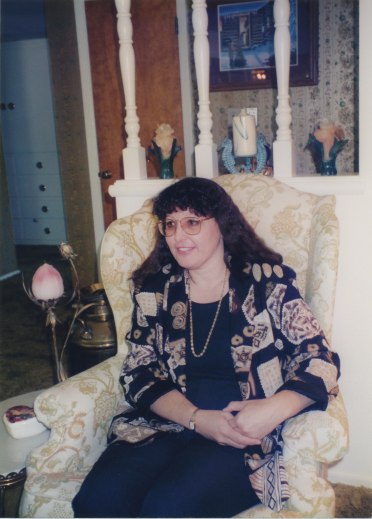
Stories Grandma Never Told_justified text.pmdOnce upon a time there was a journalist with long curly hair, big glasses, and a penchant for blazers with padded shoulders who traveled around California interviewing Portuguese women. She carried a steno pad, a micro-cassette recorder, and a heavy Minolta Camera with extra lenses and a detachable flash. She used Tri-X black and white film. The women wondered why she might find them interesting, but they welcomed her into their kitchens, living rooms and shops. The result was a book, Stories Grandma Never Told, published by Heyday Books in 1998.

The day the book came out was the day this young journalist felt like a real author. It was released at the annual Dia de Portugal festival held at the San Jose Historical Museum. As Portuguese music played, young queens in white paraded, and crowds feasted on Azorean pastries and linguica, she sold book after book after book. Women bought them for their mothers, sisters and daughters. People featured in the book came to have their pictures taken with the famous author. Her whole family was there. It was heaven.

That was my third book but the first one that was my idea, my words, my pictures, me on the page. I had gotten the idea while writing The Iberian Americans, an overview of Portuguese, Spanish and Basque immigrants. Very little had been written about Portuguese women. I could see how I was a direct product of my mother, grandmother, great-grandmother, and beyond. I had never asked for their stories, but now I dove in, starting with everything “Portuguese” listed in the telephone book. It was a long process, and I had a hard time finding a publisher. I was about to give up when Malcolm Margolin at Heyday offered me a contract.
Sue interviewing MarieBalshorThe book came out 21 years ago. Heyday did a great job producing and promoting it, but they decided after eight years and three printings to let it go. I republished it under my own Blue Hydrangea imprint. Decades later, it’s still selling better than my other books. To increase distribution, I am republishing it this month with Ingram, the company that supplies most bookstores. This means that if you request this book at any bookstore, they should be able to order it for you. Amazon.com will not be the only place to get it.

To bring “Grandma” up to date, I have been looking up the women I interviewed. A lot has changed. Many of the older women I interviewed have died. I’m grateful that I was able to capture their stories. Otherwise, they’d be gone. Some of them documented their lives for their children and grandchildren, but others never thought it was important and the kids didn’t ask, just as I didn’t until I started working on my book.

Finding people is a lot easier these days. I didn’t have Google or Facebook back in the 1990s. I collected my interviewees by word of mouth—“you should interview so-and-so”—by showing up at events, and by many hours taking notes by hand in various libraries.

So many of these women became friends. They felt like family. We exchanged letters, Christmas cards, and phone calls. We met every year at the Dia de Portugal, where they’d wear their Azorean costumes with full skirts and white blouses as they peddled food or marched in the parade. It’s hard to lose them. I already knew about many of them, including my Aunt Nellie, Aunt Edna, my mother, and my college mentor Dolores Spurgeon. I mourned the loss of my buddy Marie Gambrel. Now I know that Virginia Silveira, Edith Mattos Walter, Bea Costa, Pauline Correia Stonehill, Doris Machado Van Scoy, Maree Simas Schlenker are also gone.

But I also know that former student Krista Harper is now a college professor, that Katherine Vaz got married and lives in New York, and that former Sacramento news anchor Cristina Mendonsa now broadcasts across the United States. It has been a long time, but many of the younger women are still celebrating their heritage the way they used to.

Books on Portuguese Americans occupy a lot more shelf space than they used to as a younger generation of immigrants go all-out to tell their stories. Portuguese Heritage Publications of California and the University of Massachusetts Center for Portuguese Studies and Culture have both put out numerous books about the Portuguese. But Stories Grandma Never Told was one of the first.

I’m proud of that young curly-headed woman who pushed through her natural shyness to make the phone calls, take the trips, and ask the questions that resulted in Stories Grandma Never Told and of the stubborn older woman I am today who refuses to let those stories disappear.

The new Ingram edition, with a return to my favorite cover, will be out on my birthday, March 9. You can still buy Stories Grandma Never Told in print or as an ebook at Amazon.com, too. That version will soon be updated, too.

God bless my Portuguese ladies.