W stands for . . . Weed Whacker

As I hefted the big box onto the counter at Fred Meyer, the toddler in the shopping cart ahead of me stared at it. “What’s that?” he asked.

“It’s to trim my grass,” I said, feeling all proud and strong because I was taking charge of my own yard instead of depending on a husband or gardener.

The child pondered this for a while, then pronounced, “It’s a weed whacker!” How does this kid no more than three years old know this? I nodded. “Yes, it is.”

I paid my hundred bucks for this girl-sized appliance, electric instead of the monster gas one rusting in the shed. I could barely lift that thing. I took my new toy home and spent the next hour putting it together, with the dog supervising. It took 10 hours to charge the lithium battery, so I couldn’t use it that day. But the next morning, I couldn’t wait to attack the overgrown grass I’d missed on my first adventure with the lawnmower.

Battery charged and attached. Height adjusted. Handle placed where I wanted it. Goggles on. Ignition. Bzzzzz. It worked! I was only going to try it out, but I whacked every place that still had a blade of grass or a weed sticking up. Oh the power! I ignored the fact that my tendonitis-plagued arms soon started hurting (and now my right arm is almost unusuble) and that my back was already bothering me. Look at that grass fly. It was wet from last night’s drizzle. I could have/should have waited, but they were predicting rain, and I wasn’t going to wait several more days. When you get a dry day on the Oregon Coast, you’ve got to get outside and do the yard work. The wet grass did a number on my good shoes, and my socks are wet, but I don’t care. Look at my lawn.

I have begun to understand how people, mostly men, become obsessed with grooming their lawns. It’s instant gratification, as opposed to this writing business where you can write for years with minimal results beyond the satisfaction of having written.

If you’ve been mowing lawns for years and think I sound ridiculous, well, at 62 I’m still figuring things out. 

W stands for Weed Whacker, a power-driven device that trims grass with a rapidly rotating nylon cutting cord. It sure beats the little clippers I used cutting the grass along the fence as a kid. 

I’m participating in this month’s A to Z blogging challenge, and W stands for weed whacker. My alphabetical posts are distributed among my various blogs. Here is the schedule:
 
W Unleashed in Oregon
X Unleashed in Oregon
Y Unleashed in Oregon
Z Childless by Marriage

More than 2000 other bloggers have signed up for the challenge. For more information, visit a-to-zchallenge.com You might find some great new blogs to follow. I know I will. Come back Monday to find out what X stands for.
 

Why I Moved to South Beach, Why I Stay

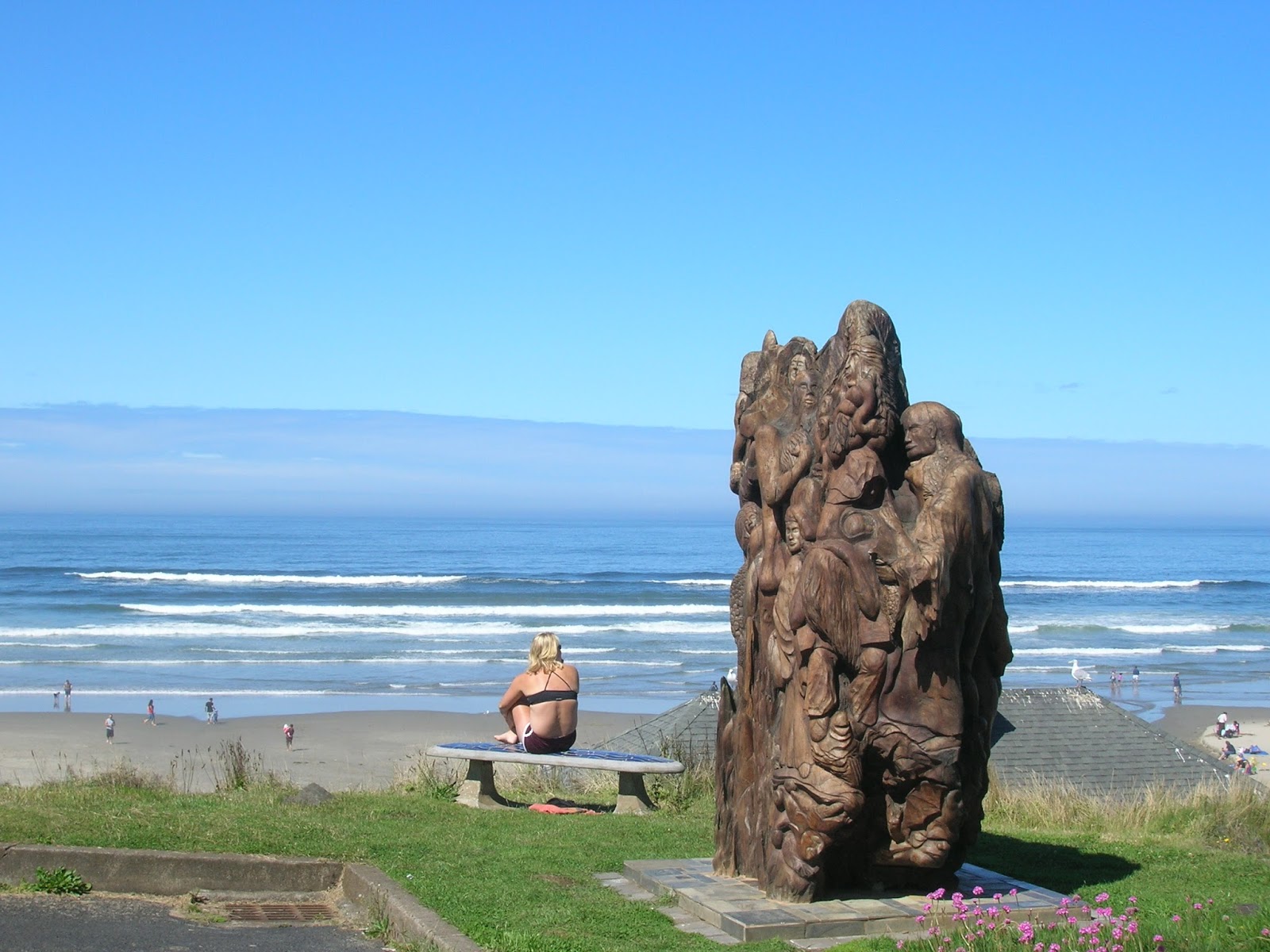
Weekends like this last one prove I’m living in the best place in the world. My days were full of music, poetry, dog snuggles, and blue skies, along with church, a little laundry, grocery-shopping, and house-cleaning.

Yes, blue skies in January on the Oregon Coast. Right now as I write this, I look out my office window and see gold-tipped pine trees stretching into a powder blue sky unmarked by clouds. The alders are still winter-bare, but daffodil bulbs poked their heads above the soil this week, even though the storm season is far from over. From somewhere beyond the yard, I hear doves. Like the rest of the west, we’ve had far less rain than usual this winter, but unlike California and other western states, we have enough water, so that drought is not a problem.
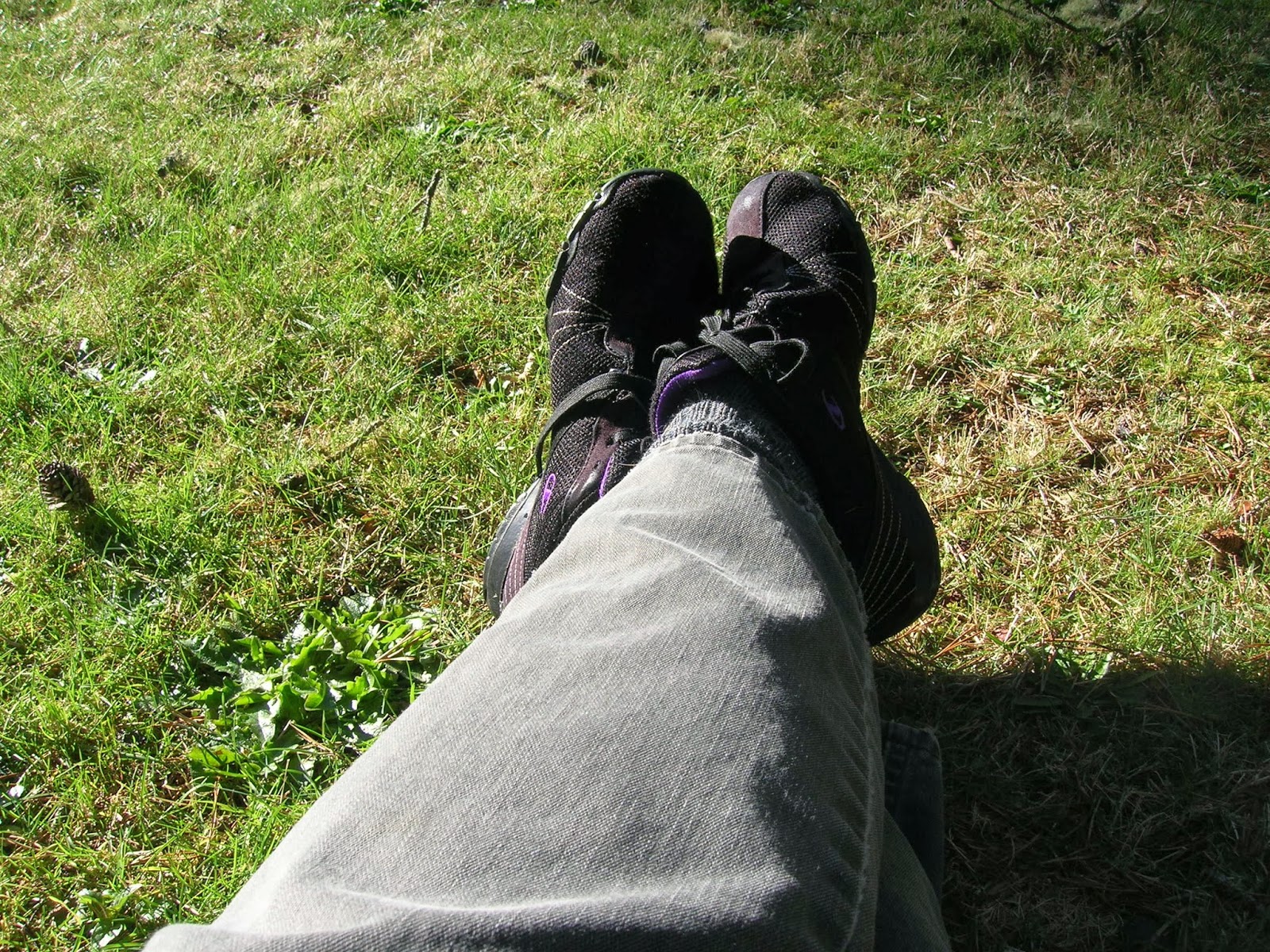
It’s warmer back in California. I see weather reports predicting blue skies and temperatures in the 70s, and I miss those days when I could walk unfettered by heavy coats. But oh it feels good to lie beneath my electric blanket on a cold morning, and I finally have a use for all those sweaters my mother and I knitted over the years. And it feels great to sit in the sun under the Sitka spruce with Annie leaning against me, just enjoying being alive.
Yesterday I was up at 6 a.m. to lead the choirs through two Masses at Sacred Heart Church. It was dark as I showered and dressed and ate a slice of pumpkin bread for my hasty breakfast. But as I drove north on Highway 101, scanning the road for black ice, the sky lit up with pink clouds that turned bright red, a Hallelujah Chorus of a sunrise that made me glad to be here. The red reflected on the ice blue water of the bay and the ocean beyond where crabbers were pulling in their morning catch. After 17 1/2 years, the beauty of this place still amazes me.
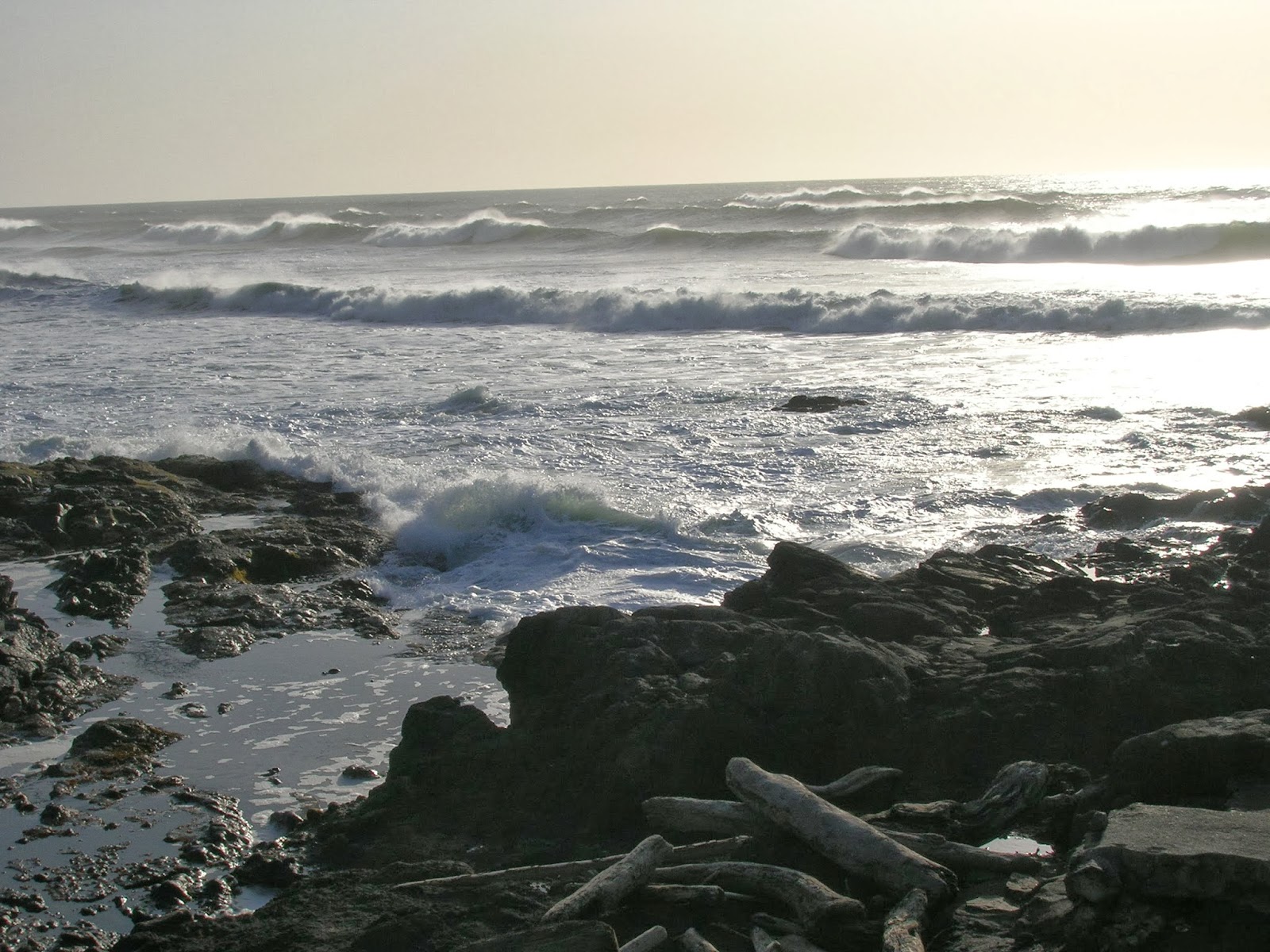
More storms will come, weeks of gray skies, gray ocean, gray everything, of winds that tear at the windows and walls and sideways rain that stings like needles, but this is the tradeoff for those red sunrises and rainbow sherbet sunsets, for easy drives on roads without traffic at any time of day.
And for music and poetry. I don’t know whether it’s the ocean setting, the reasonable proximity to universities, or simply the lower cost of living, but this is a world of writers, artists, musicians and dreamers, and that’s a big part of why Fred and I chose to live here when we left San Jose. On any weekend, you can enjoy plays, concerts, art exhibits, readings, or dance performances. You can learn to blow glass floats, make beaded jewelry, or paint with watercolors. The Performing Arts Center and Visual Arts Center in Newport are busy year-round, and other venues to the north and south offer more arts activities.
It’s a place where one can get involved in a big way. A friend and I co-founded the coast branch of Willamette Writers a few years ago. Now I’m on the board of the Northwest Poets’ Concord, which hosts an annual poetry conference in May, and Writers on the Edge, which hosts the monthly Nye Beach Writers Series. I have a critique group which meets on Tuesdays. I have taken workshops, taught workshops, met famous or soon-to-be famous writers, and shared my work at readings, talks and open mics.
This last Saturday, we met for the Nye Beach Writers Series at the Newport Visual Arts Center. Covering the paint-stained tables of the art classroom with red silk tablecloths and battery-powered candles, we welcomed our guest author of the month, R. Gregory Nokes, for a talk about his new book, Breaking Chains: Slavery on Trial in the Oregon Territory. I ran the book table. After intermission, I ran the open mic. I read several of my poems, people loved them, and I felt fabulous.
During the day, I had time to sit out in the sun with Annie, to take a nice long walk, to catch up on email, clean my kitchen, play a little piano, and watch a movie on TV.
Getting up Sunday morning was hard, but then I got to play the piano at church, sing with two wonderful groups of friends, and chat over tea and donuts in-between. Afterward, a quick trip to the store, where I ran into several friends, as usual, a ham and cheese sandwich for lunch, more piano, and more time in the sun before heading south to Yachats for the open mic.
Music, poetry and friends came together at the Green Salmon coffee shop, which is not open at night but allows us to use the space. Christmas lights still hung along the ocean-facing windows as we perched in our high wooden chairs. We laughed, we sang along, and we applauded performers taking the stage for the first time and veterans who came to try out new songs or just keep in practice. It was a safe place where people could screw up and nobody minded. “Do-over!” people would shout, and the performer would find the missing words or chords and finish in triumph.
Then it was time to make the long dark drive home, passing only a few cars on the way, keeping a lookout for deer or raccoons crossing the road. Time to light up the pellet stove, snuggle with the dog and fall asleep to dreams of music, blue skies, and words for a new poem.
I awakened to sunshine, blueberry muffins and another day of words, music, dogs and the most beautiful place on earth.
This is why we moved here. Sometimes I get lonely. I miss Fred like crazy, but this is why I stay.
**********
I haven’t posted here lately. I’m working on compiling the previous five years of posts into a “Best of Unleashed” book, which will eventually be available as an e-book. But I will still chime in here, too, because I can’t help myself. If you enjoy reading my blog, please recommend it to your friends. Thanks for coming. Have a beautiful day wherever you are.

Joyful days on the Oregon Coast

Now I feel the joy.
When I came home from California two weeks ago, after nearly a month helping my ailing father, I thought I would feel joy the moment I walked into my house. I would have my dog Annie, my work, my friends, my house, my piano, my WiFi, and my beautiful Oregon. But all I felt was sad, sad for being so far from my father, sad at being alone, sad that my husband and so many other loved ones are gone, sad at all the bills and work that waited for me in this cold, wet place where the sky was always gray.
It didn’t help that it was raining and the roof in my kitchen leaked. Or that the warning light came on my car and I found that all four tires were dangerously low. Or that the dog was scratching with fleas again. I was still not completely over the food poisoning that struck me in San Jose. I did not feel any joy.
But over the last couple days, I have felt the joy. Maybe I’m just sun-drunk. The rain has stopped for the moment, replaced by dry cold. The pellet stove being my main source of heat, I’m using pellets by the truckload. I’m also giving my sweater collection a workout, but the place where I live in a forest two blocks east of the ocean is so beautiful I can barely stand it. Just now, at 6:30 a.m., I went out with Annie. Stars filled the sky, and the moon was so bright I could see my shadow on the ground. Yesterday, I lay out on the lawn in the sun with Annie, watching a tiny pine siskin in the Sitka spruce above me. The sky was so blue, the trees so green, and the quiet so profound that I fell in love with this place all over again. The day before, Annie and I walked on the beach. We were the only ones there. The ocean was a swirl of blue and green, the sand full of shells, the air like tonic. Yes, it’s warmer at my dad’s house, and his squirrels are as big as pussycats, but this is my little piece of paradise.
Last night I played the piano and led the choir at the 5:30 Mass, and that felt like heaven, too. I was surrounded by friends, the Christ the King liturgy was beautiful, and I felt so blessed to be able to do the music that I love. I have my writing, my house, my dog, my friends, and so much more. My tires are fixed, friends patched my roof, and my father is doing amazingly well for a 91-year-old man with three faulty heart valves.
Now I feel the joy. It’s going to rain again. The sun and the moon will disappear behind the clouds. I’ll worry about bills, Christmas presents, Annie’s fleas, and other problems. My writing will be rejected, my music will go flat, and I’ll hate my new haircut. My father is scheduled for surgery next week, and I’m going back to California. I believe the surgery will go well, and he’ll live on, but there are no guarantees. Life is never perfect, but I’ll do my best to hang on to the moments when I’ve truly felt the joy.
Do you have times when you feel that true happiness? I’d love to hear about them.

Tourists Invade the Oregon Coast

It’s Labor Day weekend, time for the Oregon coasties to hide while tourists take over the town. Most of us moved here to get away from crowds, to escape stop-and-go traffic, cities full of strangers, and long lines at restaurants, stores and gas stations. We like our small-town setting where we can move around freely, never wait in line, and always run into someone we know.

So does everyone else. The Oregon Coast is one of those places people go for recreation. As a result, from around Memorial Day to sometime after Labor Day, the place is packed with visitors. Every other vehicle crawling down the highway is from somewhere else. Lots of those vehicles are slow-moving RVs and big trucks towing boats, but even the little cars slow us down as the drivers gawk at the sights. I’m thinking okay, it’s the ocean, it’s a bridge, it’s a lighthouse, take your picture and move along.

At the grocery stores, travelers fill the aisles, not knowing where anything is and having to confer on every purchase. Shall we have corn with that? What kind of cereal do you like? Me, I’ve got my list, and I’m still in my church clothes. Let me get my food and go home. 

I drove through Nye Beach yesterday to take pictures and found nowhere to park. Visitors wearing shorts, leading children and dogs, and snapping pictures with their cell phones, clogged the sidewalks and spilled out of the eateries. Great sweating masses of visitors stared at the ocean. I surprised a couple kissing on the stairs by the Visual Arts Center.

I want them all to go home, but like everyone who lives here, I know our economy depends on folks from out of town coming here to spend their money. They stay in our motels and RV parks, eat our food, fill their vehicles with our gas, and buy our glass floats, thereby enabling the local kids to have school clothes and me to buy groceries. I get it.

Like a large portion of Oregon Coast residents, I moved from a place people leave for vacation to a place where people come. My husband and I were tourists here, too. We walked on the beaches, visited the lighthouses and aquariums, shopped in the gift shops, and ate in the restaurants. We fell in love with the place and resolved to move here someday. And then, like so many Californians who first came as visitors, we sold our house and drove the big rental truck north.

Now I have the nerve to resent all those tourists. Twenty years ago, I was one of them with my California license plate, slowing down traffic to take pictures. I must try to embrace these wide-eyed tourists as just like me. So come, let me show you my beautiful home. Then, either learn to drive the speed limit or go back to wherever you came. And by the way, put away the cell phone. Why drive hundreds or thousands of miles if all you’re going to see is your iPhone?

Tomorrow, the local kids are going back to school. Soon the weather will turn, the tourists will trickle away, and we will reclaim our town. But today, I’m staying home in my little piece of paradise.

We Meet the Monster in the Forest

The bushes rustled and shook. Something big was in there. And it was coming our way. Annie froze. I looked around. Nothing but trees, shrubs, birds and field mice for a half mile in any direction. Newport Airport to the north, trees to the east, more trees to the south, houses too far away to the west. No humans close enough to save me from whatever it was. It might be a deer, an elk, a cougar or a bear. All have been seen in the area, although not usually in mid-afternoon. We hikers are instructed to remain calm, keep talking, and fluff ourselves up as big as possible to convince the animal that we are more scary than they are. If that doesn’t work, duck and cover and hope to survive. Having an unpredictable dog with you does not help.
I tugged on Annie’s leash. “Come on. Come on. We have to get out of here.” She moved an inch at a time, too scared to walk. The creature was coming closer. Sweating under my tee shirt and hoodie, my heart pounding, I continued trying to drag my dog toward the safety of the road. But we weren’t fast enough. The creature was coming out, coming out, here it was.
Oh. “I thought you were a bear!” I exclaimed to the Mexican man with a giant bouquet of salal leaves balanced on his shoulders. I don’t think he understood a word. I tried to form a sentence in Spanish. I knew “oso” was bear, but I couldn’t figure out the verb tenses to say I was afraid.
Annie stared, her tail between her legs, still afraid. To her, he looked like a man with no head, just a bunch of leaves. “It’s okay, it’s okay,” I told her as Leaf-Man went by us, soon followed by a leaf woman with another big bunch of greenery. The two work for the company near our home that sells greens to florists to put in bouquets with roses, carnations and other flowers. Several times a week, a giant truck backs up to the dock at 98th and 101 to be filled up with bundles of leaves they gather from the wilderness areas around South Beach.
Yesterday, when I saw the bushes moving again in the same general area, it occurred to me that THIS might be a bear, but I doubted it. Sure enough, another man emerged with a big bundle of leaves. He was wearing hip-high rubber boots. Annie didn’t like the looks of it at all, especially when he hefted the leaves up over his head and walked by us. But I had my camera this time, so I snuck a picture of the fabled Leaf-Man.
Someday the rustling in the bushes might be a bear, especially when all those blackberry vines full of flowers start producing fruit. If so, I hope Leaf-Man is nearby. That ought to scare any old bear.

My berry-picking dog


Our daily walks are journeys of discovery. Last night Annie and I saw a calico-colored mouse, dead but totally intact, with its feet in the air. Tonight it’s gone. I thought I saw a really long garter snake under my bushes. Annie dove down to smell it and looked up, confused. It was a snake’s skin without the snake in it. Probably about two feet long. Now I want to know, where’s the snake that left its skin behind?

There’s always something to see. We’ve seen eagles and deer, dead birds and sea lions. Early in the year, we found three-leaved trilliums signaling the beginning of spring. Orange-bellied newts slithered slowly across the street. As the trilliums turned from white to pink to purple, scotch broom painted the landscape yellow.
Then came the rhododendrons in pink, red, white and yellow. Now it’s purple foxglove, white and yellow daisies, buttercups–and berries.
While I was on vacation and Annie walked with the dog-sitter, my pup learned to pick berries. Now I can’t get her to stop. I’m too busy laughing anyway. She’s particular about her berries. Nix on the thimbleberries. Huckleberries are a last resort. She goes for the blackberries and salmonberries (which look like salmon-colored blackberries).
I admit to snatching the occasional ripe blackberry off the vine, nibbling it delicately as red juice drips down my fingers. But Annie has no patience for delicacy. Nor does she seem to care whether the berries are green or past their prime. She will pass up every other plant and plunge her face deep into the bush, grabbing as many berries as she can, swallowing them whole, then looking up at me with a crazed grin. What a miracle; you can grab food right off the bushes.
I think the miracle is that she hasn’t gotten sick or cut herself on the stickers. She’s one good berry-picker. Are you looking for a picture of the berries? She ate them all.
****
I try not to advertise here, but I have a new book out. It’s called Childless by Marriage. Mostly memoir, it is about how women who wanted to be mothers never have children because their husbands or partners are unable or unwilling to bring a baby into their lives. The chapters talk about the decision not to have kids and the grief that follows, birth control, step-parenting, the “mom club,” old age without children, and, of course, being a dog mom. Find out more at http://www.suelick.com/Childless.html.
I have several other books out, including Shoes Full of Sand, Stories Grandma Never Told, Azorean Dreams, and Freelancing for Newspapers. All are available at Amazon.com in paperback, and all but Stories Grandma Never Told are also formatted for the Kindle e-reader.
****
End of commercial. I like coming here to get away from the business of selling books. The blackberries and salmonberries are almost done. Poor Annie won’t know where to find snacks on our walks when the berries are gone, but I’m sure she’ll find something.

It’s mushroom time again

It’s mushroom season here on the Oregon coast. Last weekend, we had the giant Yachats Mushroom Festival, which offers speakers, mushroom hikes, mushroom tasting, slide shows and more, but I think the mushrooms are even more abundant now than they were last week. All it takes is a little rain and they pop up everywhere. Did you know mushrooms are just the fruit of plants that mostly grow underground? True.

Mushroom fanatics, called mycophiles, head to the woods this time of year to collect bucket-loads of mushrooms. The fungi come in all different shapes, sizes and colors. Some of them are fabulous to eat while others are toxic. It’s important to know the difference before you pick, cook and eat them. For example, King Boletes, which look like pancakes on a stick, are great to eat. Fly agaricas, those pretty red ones with white spots, can be deadly.

Even if you don’t like mushrooms, they’re fun to look at. On our walks, Annie and I are seeing boletes, russelas, chanterelles, amanitas, and other mushrooms. (Actually, I’m seeing them. I was looking at a new patch of mushrooms yesterday when Annie almost took my leash-holding hand off streaking after a cat.) Along the edge of one neighbor’s yard, a crop of mushrooms that look just like oyster crackers appeared overnight. I just want to dig in with a spoon, but I know better.  Never eat mushrooms raw and never eat them if you don’t know whether they’re safe. Plus my neighbor might think I’d lost my mind.

A good pocket guidebook is David Arora’s All That the Rainfall Promises and More. Arora was the keynote speaker at last week’s festival. His book is full of great color photos and descriptions of all kinds of mushrooms.

Around here, the Lincoln County Mycological Society meets the second Saturday of the month in Otter Rock. Call 541-765-3191 for information. You can also learn more about mushrooms through the North American Mycological Association, http://www.namyco.org/.

Tsunami Day

Whew! What a morning. I look out at the trees standing perfectly still against powder blue sky. The dog dashes in and tries to pick the Kleenex out of my bathrobe pocket. The only sound I hear is the hum of the computer. Life as usual.
An hour and a half ago, things were different.
 I went to bed late, having watched horrifying scenes from Japan until midnight. An 8.9 earthquake there did plenty of damage before the subsequent tsunami sent waves way inland, wiping out everything in their path. Helicopter video showed the ocean chewing up bridges, houses, hotels, cars, and boats as if they were toys. Debris clogged the surf like sawdust. One picture that lingers in the mind showed two women waving white cloths from the second story of a blue-roofed building that was surrounded by water. Rescue appeared unlikely. Hundreds, perhaps thousands of people died as we watched the water flow across the land. Fires burned here and there, untended.
A large earthquake in the Orient can trigger tsunamis all over the western world. The Earth becomes one big dish that gets tipped on end, sloshing water over the sides. When I went to bed, warnings had been issued for Hawaii and all of the Pacific islands, Australia, New Zealand, the Philippines, Mexico, Central America and South America. There was a tsunami “watch” for the U.S. west coast, with nothing expected to hit until 1:00 this afternoon. Thirteen hours away. I went to bed.
My phone woke me up a little before 6:30 a.m. My aunt from California, whom I’m supposed to meet in Albany this afternoon, wanted to let me know that my cousin in Hawaii was safe and to tell me that the dog and I could share her hotel room if we want. She didn’t know that I live above the tsunami zone, but that if the tsunami was really bad, the bridges would go down and I couldn’t get in or out of my neighborhood. Anyway, it wasn’t supposed to hit until after lunch. Why did she wake me up?
Out of curiosity, I turned on the radio and found my oldies station in nonstop news mode. The watch was a “warning” now, and the wave was supposed to hit at 7:15 a.m. Schools had been closed and low-lying areas evacuated. If you’re in the tsunami zone, get out now, they said. The roads were crowded with people trying to get to higher ground–or to park where they could watch the waves. They were lined up at the gas stations.
 I lay in bed a while, unable to get back to sleep, and decided I should get up before the waves reached South Beach. I thought about my friends who live in the pink house overlooking the ocean at Nye Beach, about the folks closer to me who are in the process of moving from their ocean-front home, about the Bayfront, the Performing Arts Center, the aquarium, and my church. I’m high enough here to be safe, but so much that I love could be turned into kindling and floating bodies in few minutes.
 Fox TV broadcast pictures from beaches far north of here. The waves went out, the waves came in. It’s like watching somebody mow the lawn, one commentator said. Around 7:30, the waves pulled back farther than usual and rolled in a little closer but well within the bounds of the beach. Was that it? I turned off the radio and listened to the TV. Apparently it was. For now. When I turned the radio back on, it was playing rock ‘n roll again. The TV station started re-running pictures from Japan. I couldn’t look at them anymore. They were too horrible.
I pray for the people in Japan. I thank God that we are safe. This time.
 Here in South Beach, Annie is asleep in her chair by the window, and my trees are still standing, stretching calmly into the sky

Meet Sally, my new pet

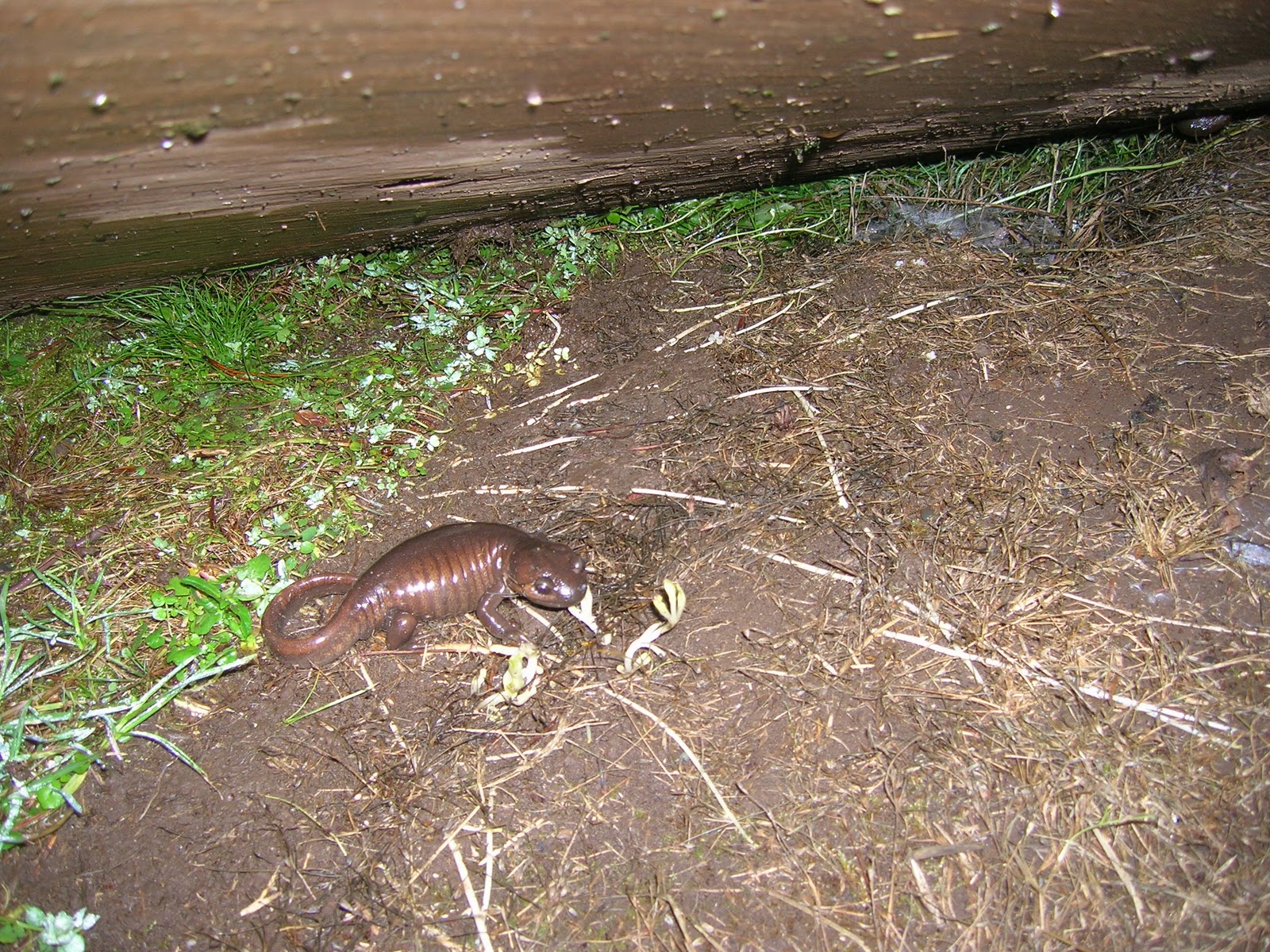
Living out here in the wild west, you never know what you’re going to find. The other day, I was out back in my bathrobe and fuzzy slippers waiting for Annie to do her morning business when a misplaced board caught my eye. It has been lying around the back yard for a long time. I decided I would finally put it away. It was all wet and soggy from the rain. I picked it up by the corner, lifted and saw a pair of eyes staring at me.
What is that? I asked myself. It was too big to be a newt, too long to be a frog. It kind of looked like Gollum from Lord of the Rings or maybe a slimy six-inch alligator. It seemed to be saying, “Put the lid back down, put it down,” so I did, anxious to hide this critter before Annie saw it.
Naturally I went inside and looked it up on the Internet. It’s a salamander, an Oregon Ensatina, to be specific. Three days later, it’s still here. Every time I lift the board, I find it. Salamanders tend to live their lives pretty much in the same place, so we may have an extended relationship–as long as I don’t put that board away. Salamanders, who live on bugs, are nocturnal, so I have to stop lifting the board to peek.

Today I got him/her to pose for a photo. I call him/her Sally. Of course.

"Please buy something"

I heard the voice before my eyes focused in the dark little gift shop in Waldport. It was a man’s voice, rather high-pitched, explaining that he only turned on the lights when he had customers. Well, I thought, we’re here. Turn the lights on. But he never did. I guess he meant customers who might actually buy something.

Given some lights and a different attitude, we might have. My brother, visiting from California, was looking for a hat for his wife. He didn’t find what he wanted and hurried back out to the light, which left me, Ms. Guilt, listening to the man’s tale of woe. People came in and looked but never bought anything, he said. Business was so bad he didn’t know what he was going to do.

I felt sorry for him, but a lot of people are in the same fix. I don’t know what I’m going to do when the money runs out, but I tried to find something affordable that I might actually use. I didn’t need another hat or a tie-dyed tee shirt. How many key rings and refrigerator magnets does a person need? Postcards of the Oregon Coast? I can see the real thing every day. The more the shopkeeper whined, the more I told myself, you silly co-dependent, go already; it’s not your problem to fix.

“Nothing?” he asked as I headed toward the light.

“No,” I replied.