Fire Transforms Paradise into Hell

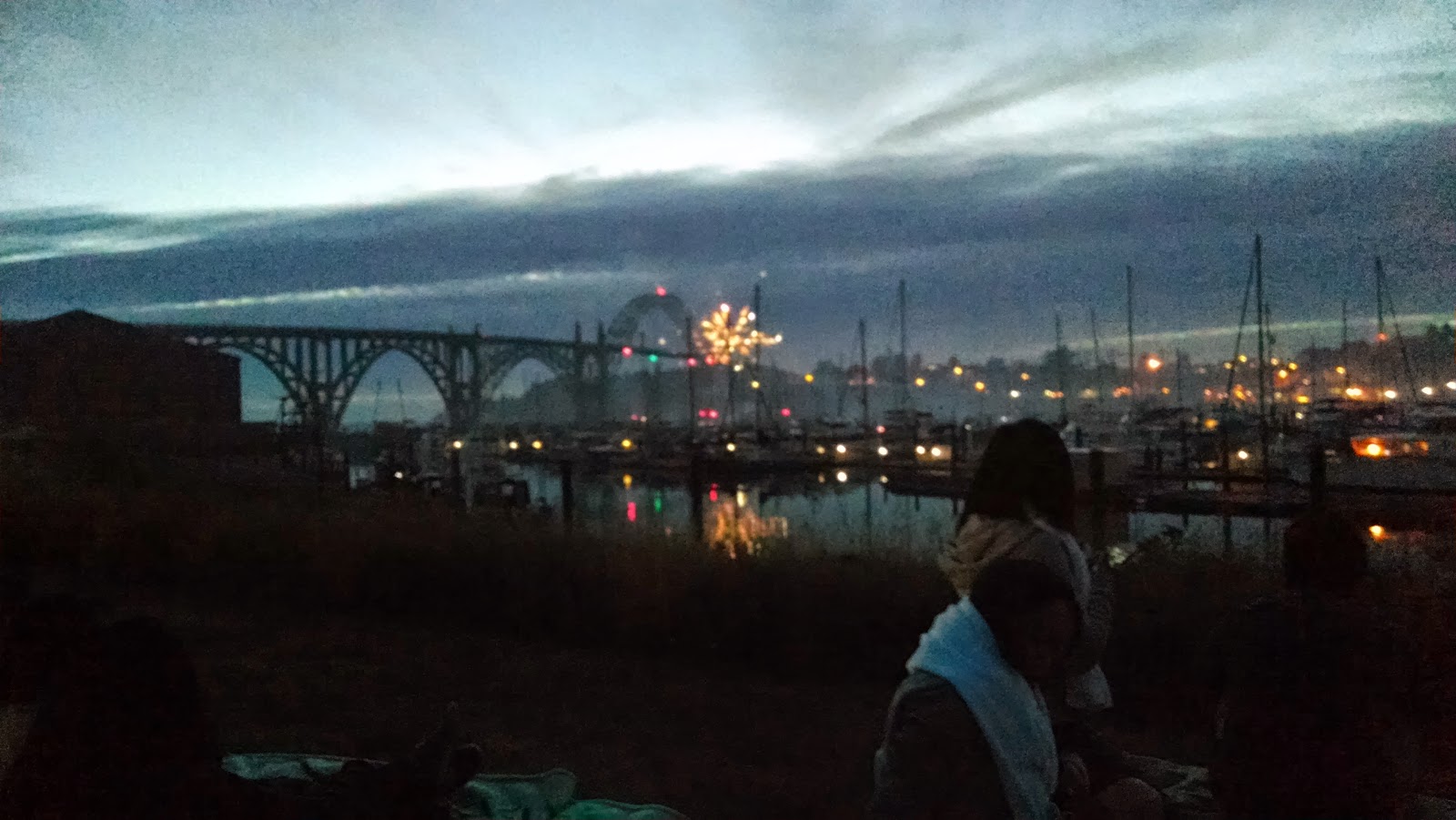
Book cover: Fire in Paradise: An American Travedy. Photo shows a street with remnants of burned houses on either side.

My mind is filled with fire today. Actual fire. Wildfire. I just finished reading Fire in Paradise: An American Tragedy, which is about the blaze that destroyed the town of Paradise, California in 2018. Authors Alistair Gee and Dani Anguiano have done an amazing job of weaving together research and interviews to take us right into the fire.

Imagine being trapped in an endless line of unmoving cars while flames rise only a few feet or maybe inches away. Imagine the car doors are scorching and the tires are melting. It’s morning but black as night. There’s nowhere to go that isn’t on fire.

Searchers found charred bodies sitting in their cars or their living rooms or on their front porches, caught before they could get out. Eighty-five people died in the Paradise fire, and thousands lost everything they had. The town had an emergency plan, but the fire was too big for it to work.

As temperatures rise, wildfires, always a part of nature, are becoming more frequent and more disastrous. We used to think the coast was safe. It’s so damp, we said. But lately, it has been warmer and drier. We got a taste of fire in the north end of Lincoln County where the 2020 Echo Mountain wildfire struck the town of Otis and part of Lincoln City. In all, 1,241 structures were destroyed. Homes, business, churches, everything was wiped out.

Every year, fires burn throughout the west. There are some going now, including a huge one in Curry County.

For those who say, well, that couldn’t happen here, look around. It could. Wherever you are. Whether you live in a forest like me or in a city. This year, fireworks sparked a beach-side blaze in Waldport—just 11 miles down the road from me—that could have been disastrous. Luckily firefighters stopped it before it reached any homes, but residents were evacuated and Highway 101 was closed for hours. It definitely put the fear of God in everybody around there.

It doesn’t take much to start a fire in dry, windy conditions. Fireworks, a debris fire gone out of control, a cigarette, or a spark from a vehicle that falls on brittle leaves and pine needles. The Paradise fire was blamed on malfunctioning power equipment. Pacific Gas and Electric, which provides electricity to that area, was sued for millions of dollars, but they can’t keep up with maintaining all their lines and connections and the trees and shrubs that surround them. The best they can do is shut off the power when conditions are ripe for fire. People have been left without electricity for days, and that’s not a good solution.

Fire has always been a natural part of woodland life, but there didn’t used to be people and buildings in the way. Where my brother lives near Yosemite, he and his family have been ordered to evacuate twice. One time, fire came right to the gate of his housing development. The area all around was scorched. Several years later, it still has that sepia-toned look that comes over burnt land. My brother has cleared all plant life away from the house, a massive but necessary job when fire is so much a part of the landscape. As one fire expert said recently on NPR, they have five seasons now: winter, spring, summer, fall, and fire.

I look out my office window at spruce and alder trees, laurel, sword ferns, and blackberry vines. It’s green and beautiful but vulnerable. When the dog came in a while ago soaking wet from a brief rain shower, I was grateful. We haven’t seen rain in a while, and it was getting awfully dry.

Why am I obsessing over fire lately? It’s research. I’m working hard on the third book of the Up Beaver Creek series about PD and her friends, and a fire is just one of the challenges they face in this book. I can’t tell you any more yet, but the book is coming. If you haven’t read Up Beaver Creek and its sequel Seal Rock Sound, well, why not?

Meanwhile, if I was told to evacuate, I’d grab Annie, a guitar, my laptop, and my purse, along with the pills, clothing, and snacks already in my “go bag.” Have you got a bag packed? What would you take if there was no time to think about it?

Let us know in the comments.
Processing…
Success! You're on the list.

Coastal Fourth: Halibut, elk and la de da


Ah, Fourth of July on the Oregon Coast.

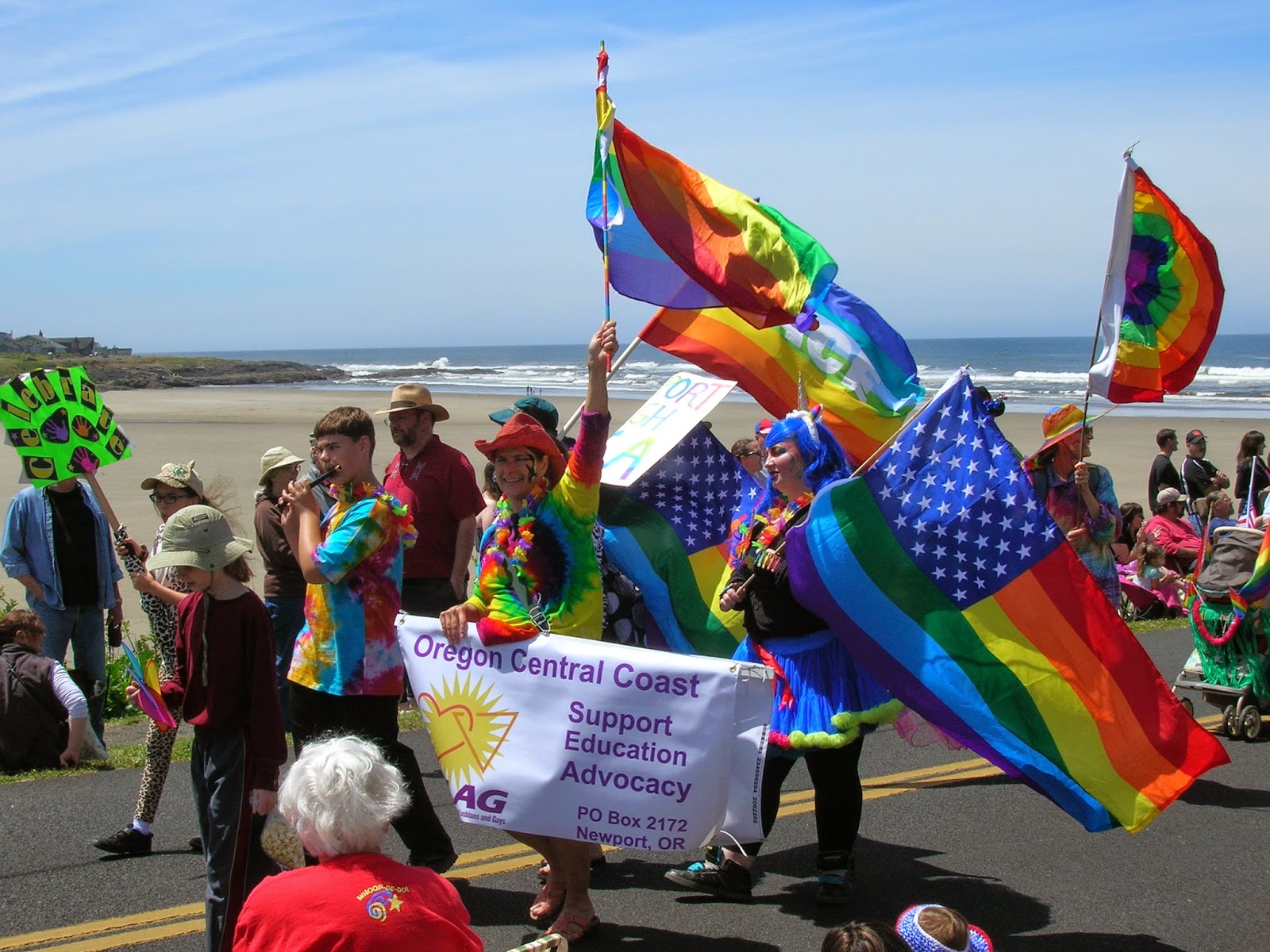
We started with the La De Da parade in Yachats. It’s a parade unlike any other. No marching bands, no floats, just ordinary folks in their most outrageous get-ups marching in a big circle from the Commons to the park that overlooks the waves crashing off the rocks and around the bend and down the street overlooking the bay. You’ve got your umbrella drill team twirling umbrellas in unison, your tree huggers decked out in ivy crowns, your folks from the pizza place dressed like giant pepperoni slices, your dogs in patriotic sweaters, George and Martha Washington taking a stroll, a rock and roll band playing blow-up plastic guitars, and the local ambulance and fire truck drivers rumbling through, honking their horns. The onlookers are as colorful as the marchers. In a half hour, it’s over and folks are gathering to eat barbecue and homemade pie.

I brought two young friends, Ashley, who just moved down here from Alaska, and her friend Matt, who lives in Davis, California. This was their first introduction to Yachats. They were appropriately delighted with both the parade and the sunny but not too hot weather.
For lunch, we joined the noisy crowd at the Drift Inn. As we ate and talked, this guy came in, shouting, “Fresh halibut!” He carried a gigantic dripping fish over his shoulder as he walked between the tables where tourists ate nachos and clam chowder. They put down their forks and spoons and applauded. He brought in two more halibut. I wonder where he put them in the small kitchen at the back. It would be like trying to fit a Buick into a Barbie garage.
After lunch, my guests headed north while Annie and I took our usual walk, then relaxed with a bit of the “Sex and City” marathon happening on TV. Still to come were the Newport fireworks.
Most years I decide I’m not going to go. Too crowded, too late, I don’t need it. But then I start hearing the popping of the aerial displays. I can’t see anything because of the trees that surround my house. I can’t stand it. I get in my car and drive until I can see some of the fireworks from some illegal parking spot on a hill. This year I decided to go see them on purpose.
By 9:00, it seemed everyone in Newport and a few thousands tourists had gathered on both sides of Yaquina bay with their folding chairs, their glow-in-the-dark necklaces and their boxes of do-it-yourself fireworks. In every direction, Roman candles shot up into the air, little kids swirled sparklers, and big kids lit up things that went boom. The smoke grew thick like fog. The air over the bridge and over the hills lit up with starbursts of color. Dogs barked, kids screamed, and mosquitoes went crazy with so many people to bite.
The official fireworks started at 10:00, lit from a barge in the middle of Yaquina Bay. All around me, people raised their Smart Phones and iPads, trying to take pictures. Me too, until I realized I could either take pictures or actually see the fireworks. Pop, bang, ooh, wow, ahh. I’ve seen bigger displays, coordinated with patriotic music, but this one was good and the company was great.
Then came the applause and the traffic jam, but nothing like I remember back in San Jose when it might take two hours to get home. When I drove into my neighborhood in the woods at 10:45, my headlights picked up a young male elk standing in the street. As I paused, he ambled over to the neighbor’s yard and calmly stared at me as I drove to my house at the end of the block.
And people wonder why I moved to Oregon.

An Old-Fashioned Fourth of July in Waldport

As the sun sinks through a cascade of pink and orange clouds toward the sparkling ocean, the crowds pack the beach in Waldport, Oregon. The water of Alsea Bay laps ever closer to their blankets and camp chairs while blond blue-eyed children covered with sand from filthy face to chubby toes eat cotton candy and hot dogs and ask for the hundredth time, “When will the fireworks start?” “When it gets dark,” their parents answer, praying that it will be soon.
Meanwhile local teens and young adults who have known each other since they were little eat hot dogs from the hot dog cart, promenade along the beach and the parking lot or lean against their old cars that barely run. They compare tattoos and bright-colored fingernails, share pictures on their cell phones, and count the hours till they have to go back to work bagging groceries, pumping gas, or selling ice cream cones.
On the parking lot above the fray, sheltered against my friend Tim’s insurance office, we grownups sit in our folding chairs, wrapped in red, white and blue sweatshirts and blankets as the warm day cools into a typical coastal chill. We have eaten hamburgers, pasta salad, deviled eggs and Oreo cookies, drunk soda pop and water, played cards, sung songs, and talked for hours. Now we wait for the fireworks.
Around us, people light up the fireworks purchased in the local stands. Two girls pass waving sparklers. A firecracker pops. A roman candle sizzles and sends up red and yellow shoots of fire. The sky darkens.
Finally the show begins with a boom out over the bay. One after another, then two, three, four, ten at a time, the fireworks light up the sky in gold, green, red, purple and white, some shaped like flowers, others like clouds or stars or rings. Some feel as if they’re coming right toward us. Some linger and slowly fade. Some sizzle or pop or whistle. It goes on and on. Smoke hovers over the quiet ripples of blue-black water. Couples lean against each other, hold hands, and kiss. Mothers cuddle their little ones. “Good one,” says a deep-voiced teen.
I think of all the fireworks I’ve seen in my life, where I was, who I was with. Disneyland. Great America. Giants stadium. Santa Clara County Fair. Over the buildings from my front lawn. My honeymoon. I sigh, missing my husband, but not missing the big-city displays with their crowds and traffic. I have seen bigger, more exciting shows, the fireworks matched to music as I sat in stadiums with thousands of people, but this small-town gathering of friends feels like Fourth of July should feel, even if it happens on July 3. It feels like home.
The holiday festivities continue today with fireworks, farmers markets, barbecues, concerts and more in Yachats, Newport, Depoe Bay, and Lincoln City and Toledo, and we have another sunny day to enjoy it. Have a wonderful Fourth of July, my friends.

Watching from afar

I’m a stealth fireworks watcher. Just about every year, I watch at least one display, but I rarely pay admission and I don’t join the crowds in the official seating area, even when it’s free. What usually happens is this: I decide that this year I don’t need to see fireworks in person. Heck, they’re on every other channel on TV. However, as I start hearing popping noises outside, I start itching to go outside. As predictable as “Stars and Stripes Forever,” I’m heading out the door at the last minute, thinking, I’ve got to see some fireworks.

I have watched fireworks from bridges, parking lots, decks, porches, and my parents’ front lawn. It’s not that I’m not willing to pay for a show. It’s that I hate crowds, and every year I really do think that I don’t mind staying home.

Last night, I really tried. I turned out all the lights, cranked up the volume on the John Philip Sousa songs and told myself I was getting a free show in the comfort of my home. But it wasn’t the same, and Newport’s fireworks extravaganza was about to begin. Pretty soon, I was putting on my shoes. That got the dog all excited. Unlike my previous dogs, Annie is bold when it comes to gunshots, lightning and firework, so I leashed her up. As we headed out, she sat bravely next to me on the passenger seat, her head scanning from side to side with every passing car.

A few years ago, when I was driving toward Yaquina bay, where they shoot off the fireworks here, I saw flashes above the trees and realized that if I parked at the Post Office, I could get a pretty good view. So we parked there again, merging into a row of government vehicles. I slid down in my seat lest a passing police officer grow curious about why one of the cars was occupied. But the dog wouldn’t get down. After all this time screaming “Sit!” at her, that’s all she wanted to do.

At exactly 10:00, the show started. “Look, Annie!” I said. And she looked. From my scooched-down position, I couldn’t see over her head. Dang tall dog. But it didn’t matter anyway. Over the years, some of those trees have grown so high that they blocked most of the fireworks.

It was time to find another location. Quickly. As I drove north, my eyes were more on the fireworks than on the road. I tried a pull-off beside the road. Not bad, but too likely to get me arrested. Then I had an inspiration. Since last year, a new community college was built up the hill a few blocks south of the bridge. The road to the campus was steep. I turned there. Oooh, ooh, good view. A family was parked off to the side, sitting in folding chairs beside their van. But there wasn’t enough room for us, so I kept going. If I went even higher . . . Nuts. The road turned and I lost visual contact. Quick. Turn around. Drive back down the hill. I turned into a driveway that didn’t go anywhere. Nope, electrical towers in the way. A little farther. Another driveway. No, nothing. I turned into a graveled road behind some kind of industrial building. Yes!

We had a perfect view. Annie and I leaned toward the front window, soaking up the colors in the sky. Ooh. Wow. Cool. Starbursts, flowers, weeping willows, rings, spiders. Between blasts of fireworks, I glanced around nervously, rehearsing my speech. “Uh, officer . . .” But maybe they were all on the Bayfront supervising the crowds. One hoped.

Bam, bam, bam-bam-bam-bam-bam. An orgasmic burst of color marked the end of the show. We scooted down the hill and into the line of cars heading south, pitying all those folks who walked a mile and sat for hours waiting to see fireworks. Annie’s eyes, sparkling in the headlights, scanned the sky for more.

Simple gifts

It’s raining sideways on the Oregon Coast today. Fierce winds sailed the cover off my hot tub across the grass last night and mangled the rack on which it rests when in use. The exposed water steams and churns like an angry ocean. Deck chairs went flying like toys, and fallen branches cover the lawn. Annie the dog and I are both feeling a little put out by the weather, but we do have some things to be thankful for.

Yesterday a friend used his only day off to clean out my gutters. They were jammed with dirt, pine needles and unidentifiable smelly junk. When he couldn’t reach it all by ladder, he climbed up on my mossy roof, working in the rain. I kept saying, “You don’t have to do that,” but he insisted. So now, the rain pours smoothly into the gutters and through the downspouts to the ground.

A few days ago, after another grueling visit to my husband in the nursing home in Albany, I received another gift. I was watching TV, all wrapped up in a blanket, with Annie on my lap, when I heard what sounded like gunshots. Now, I live out in the forest, and it’s not unusual to hear one or two shots, but this was continuous. Pop, pop, pop. I jumped up, spilling Annie onto the floor. Holding her back, I stepped cautiously into the moonlight. Oh my gosh. To the southwest, I saw fireworks through the trees. Red, green and gold firebursts sparkled against the black sky, falling gently to the ground.

It was like Fourth of July, but it was March 27, and I didn’t have to leave home or fight crowds. I advanced to a clearer view and stood there marveling. I assume someone was celebrating a wedding, anniversary or something else on the beach. I can’t see the shore through the trees. But it felt like such a gift, like those dreams where a parade comes down your street, only it was real. Thank you, God.

Now if somebody would materialize to help me get the cover on the spa . . .