Tragedy on Newport’s Yaquina Bridge


Something awful happened in my little town of Newport, Oregon a week ago today. A woman threw her six-year-old son off the Yaquina Bay Bridge. It’s 130 feet high, and the water is so cold no one can survive in it for more than few minutes. The mother, Jillian McCabe called 911 herself, telling the dispatcher, “I just threw my son off the bridge.”
That was about 6:30 p.m. Emergency crews searched all around. They closed the bridge to traffic. About 10:30, a man who lives about a mile up the bay, found the boy’s body. I know the man, one of the sweetest guys ever. He will never be the same, nor will the others who helped bring little London McCabe out of the water.
The mother is in jail with $1 million bail, facing murder charges. The whole community has been grieving as the story came out. London was severely autistic; he screamed all the time. Meanwhile his dad was disabled with multiple sclerosis. The mom had posted pleas online asking for financial help and had gotten some. There were reports that she was suffering from mental problems herself. But nobody thought this would happen. According to the latest news reports, she may not be well enough to stand trial. It’s all unbearably sad for her and the whole family.
A heartbroken community decorated the bridge with balloons, flowers and stuffed animals. Workers took the contributions off the bridge for safety reasons and created memorials at both sides of the road on the south end of the bridge, memorials to which people keep adding. There have been candlelight vigils, prayers and countless news reports. Teachers and mental health workers have been working to reassure worried children that they are safe, that this won’t happen to them. Public officials are talking about the need for early intervention to help troubled families. I don’t know what could have stopped this from happening, but we all feel like somebody should have done something.
Those who have lived here a while recall the last time something similar happened, when Christian Longo murdered his family in 2001. Two of his children were found in the water near Alsea Bay, outside Waldport. The other child and his wife were located in the water of Yaquina Bay very near where London’s body turned up. Longo is on death row now, found guilty of murder.
When we drive across the bridge now, we slow our cars. We look at the water, think about what it would feel like to fall, wonder if London felt anything on the way down, if he was scared, if he felt the cold water, hoping he just felt like he was flying and it was the best time he ever had.

Making that calculator sing at the church bazaar


My fingers flew over the calculator keys as customers lined up at the cashiers’ table with shopping baskets full of Christmas ornaments, cookies, used books, ribbons, fabric, jewelry, bowls, candles, plants and more. Compared to my recent experience at last week’s garage sale, where I was dealing in such small numbers I didn’t need a calculator, this was high finance.
This was the annual holiday bazaar at Newport, Oregon’s Sacred Heart Church, ironically scheduled on Nov. 1. On Halloween I was decorating a Christmas tree at the entrance to the hall, standing on a stepstool putting up lights and pine boughs and crawling on the floor trying to figure out how to plug in the lights, two trees, an animated Santa Claus and a boom box without blowing up the church. Meanwhile the tide of people bringing in cookies, pies, muffins and other baked goods never stopped.
Other volunteers transformed the main hall into a wonderland of red, green and gold and turned classrooms into the Book Nook, Country Store, and Odds and Ends Room. Tables filled up with jewelry, holiday decorations, pictures, craft supplies, cookies and more, more, more.
This is our parish’s big fundraiser, and it is big. Volunteers spend months collecting and pricing merchandise and gathering donations for the raffle and silent auction. Two days before the bazaar, the religious pictures in the hall come down, replaced by quilts, paintings and signs urging people to buy more raffle tickets.
On Saturday, the kitchen area became a restaurant, where bazaar-goers noshed on soup, Chinese food, and pies, pies, pies (140!), served by parishioners turned waiters and waitresses. People started arriving before the doors opened at 9:00. By 10, the church parking lots were full, and cars lined the streets. It was loud, crowded and wonderful.
I was subbing for my friend Pat, who was sick. I had only planned to donate books and homemade loaves of pumpkin and banana bread, but I wound up staying to do a lot more. I don’t want to say thank you for getting sick—Pat, please get well ASAP—but I’m glad I got to do it.
I didn’t win the raffle, but I came home with two bags of treasures, along with a piece of apple pie and a warm heart.
Yesterday (Sunday), the bazaar reopened after the Masses, with all the leftovers on sale for half price. Whatever’s left will be donated to charity or saved for next year’s bazaar. When I return to church for choir practice on Tuesday night, the religious pictures will be back on the walls, and the tables back in their usual places, the warm feeling of family and friendship will remain.
I worked my way through college clerking at retail stores, selling sheet music, furniture, uniforms and housewares. Forty years later, the old skills still kick back in. If this writer gig doesn’t work out, I can always fall back into retail, at least once a year.

Garage sale exposes stuff you can’t even give away


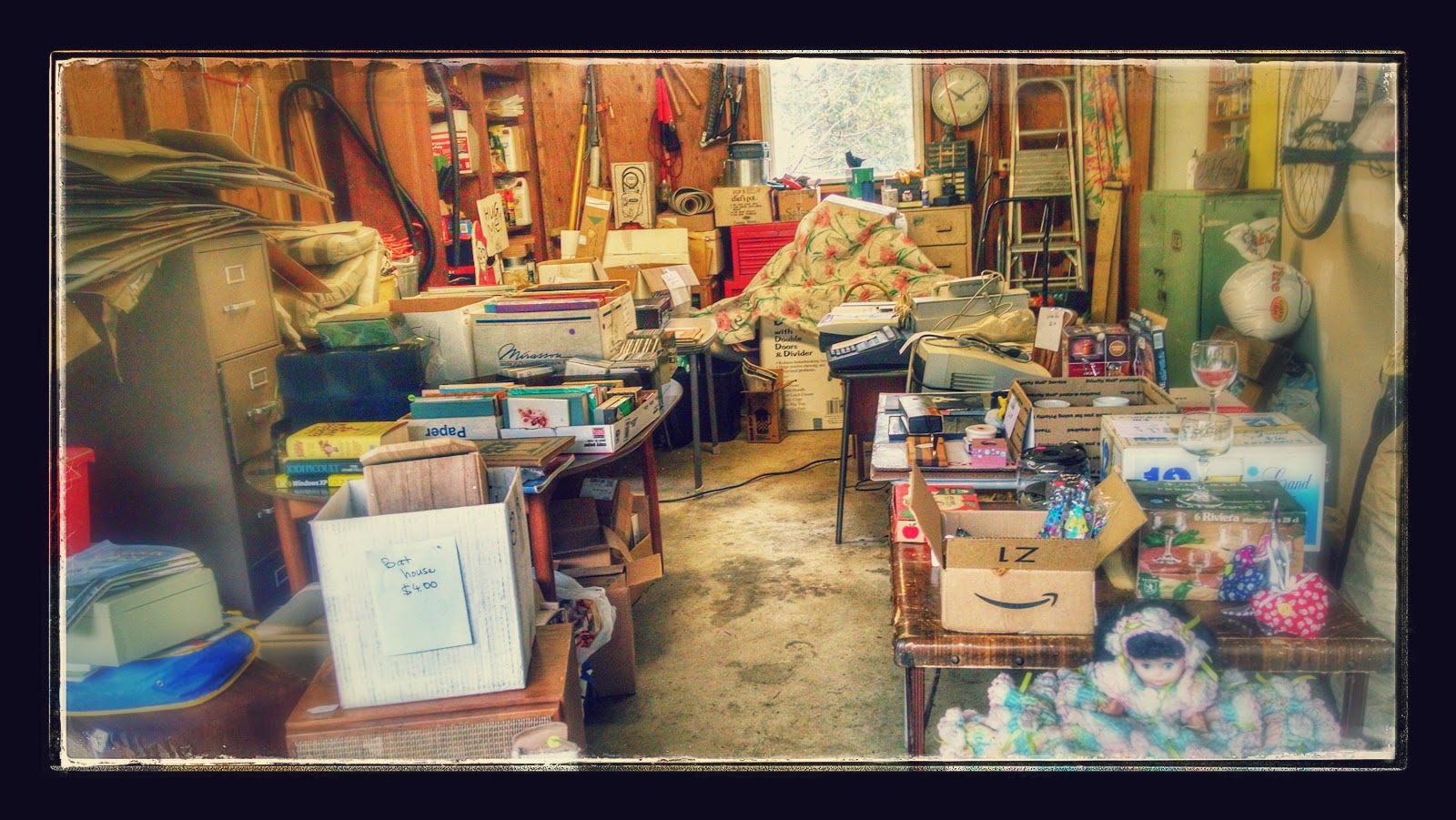
You know what happens when you hold a garage sale? All those personal items that you have hidden away because you didn’t like them or they weren’t quite good enough to keep get exposed to light and inspected by strangers who often decide they’re not worth 50 cents. In some cases, they don’t even want them for free. Also, the people who gave you that “helpful hints” book you have placed on a card table with a $1 sticker or the goofy Christmas ornament on the freebie table show up and see that you decided their gift was not worth keeping.
A garage sale is a lot of work for a little money, but you do get to meet a lot of nice people, including neighbors you never actually spoke to before and friends you didn’t know spent their weekends buying other people’s junk.
It’s funny what people will and won’t buy. At the garage sale I held last Friday and Saturday in my actual garage, my first two customers were a couple of women who showed up early and ready to spend money. They got most excited about the bookshelf boards rescued from the great flood of 2013 in my den and bought them for $1 apiece. An outdoorsy-looking man who came a while later noticed a tall skinny log that has probably been in the garage since before we bought the house. It wasn’t even for sale; it was just holding up a rug. “How much you want for that?” he asked. That? He took it away for $2; he plans to make a table out of it. Or a sculpture. Or something. He was also interested in the big old clock on my wall, which was not for sale.
Actually several of the men were interested in things that weren’t for sale, tools and such that were hanging on the walls. Nope, sorry, mine.
Clocks did well. I quickly sold the two antique clocks that have passed through the Lick family and ended up here. It seems most people don’t share my aversion to chimes and bongs. The bike, the baby gate, and most of the wine bottle openers and corks went. I sold some books and CDs but not nearly as many as I expected to. I sold three out of four stereo components. But the records, TV, FAX machines, stereo speakers (giant) and typewriter did not sell. Nor did the bat house, and the croquet set, although they engendered much conversation. Seems what’s old and useless to me is old and useless to everybody else, too.
Of course, the hurricane didn’t help. Okay, it wasn’t a hurricane, but it rained in buckets and barrels, and the wind, with 60 mph gusts, did not help. Tree branches littered the roads, my spa cover sailed across the yard again, and the cover on my compost bin left the property altogether. Windy. Nobody came Saturday afternoon, but I kept the store open, moving the merchandise back as the rain and wind came in. I wrote a poem, sorted through old magazines, played my guitar, played my recorders and danced to old music on the boom box. I sat with a heater at my feet to keep warm and gazed out at the waterfall cascading from the defective gutter over the entrance to the garage.
At 4:00, I closed the garage door, took down what was left of my signs and started boxing up the remaining merchandise to donate to whoever will take them, with a few things destined for the dump. If anybody wants records from the ‘40s, ‘50s, and early ‘60s, and a lot of other cool stuff, they’re in my garage. But they’re not going to stay there for long.  I’m going back to anonymously donating my stuff to charities, preferably those that will take them out of town so I don’t ever have to see them again.
Thanks to Pat and Bill, who provided great help and moral support in the early stages of the garage sale. Also, thanks to the world’s greatest dog-sitter, Jo Byriel, who came to shop and ended up taking Annie for a nice long walk.

Maybe we should change I-5 to "Dry-5"

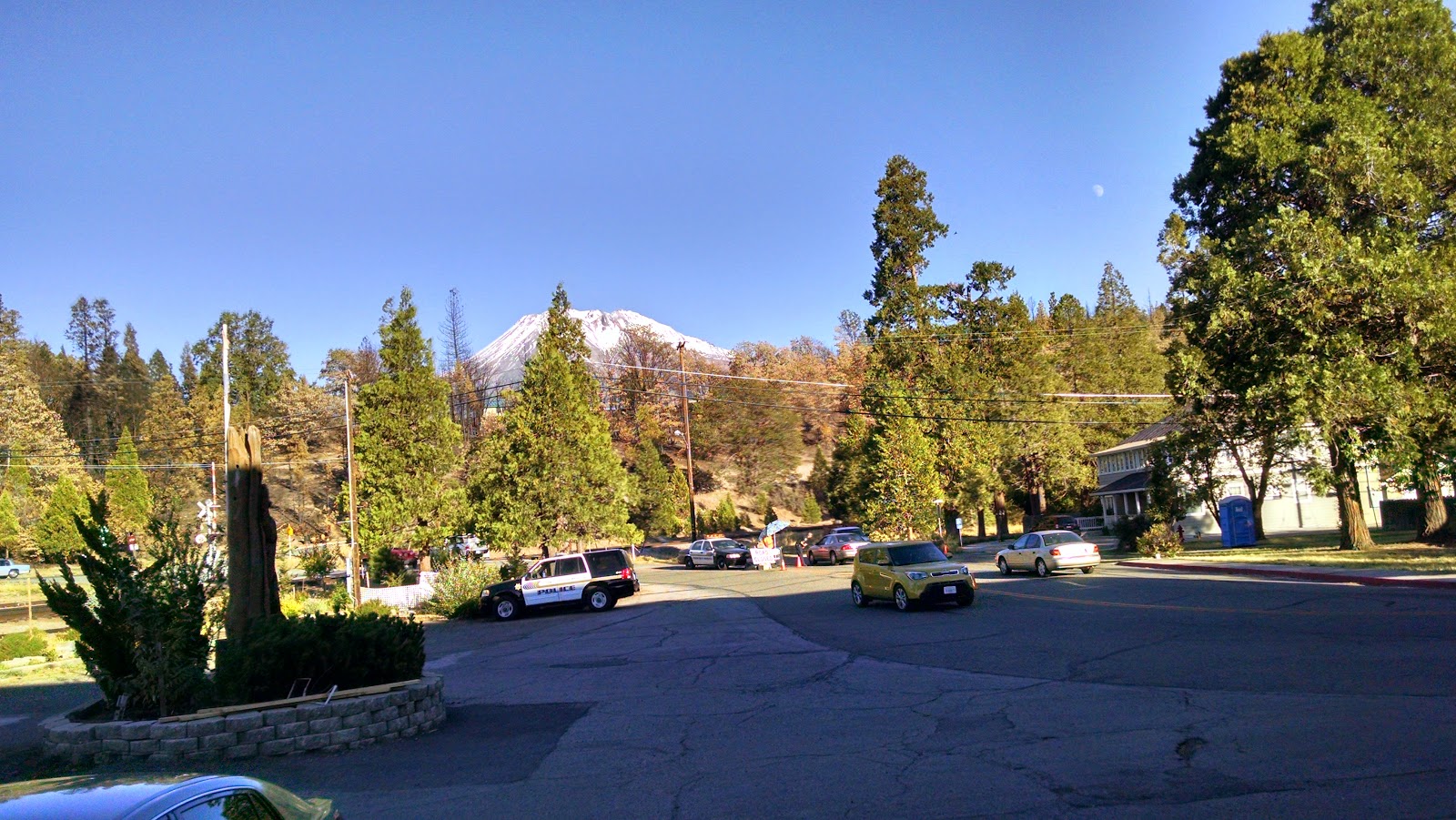
Weed after the fire, Mt. Shasta in the background

View of Lake Shasta from the rest stop–no water

As I sit here on the Oregon coast with rain looming in the weather forecast, it’s hard to believe that I was in San Jose a little over a week ago, that the sun was shining every day and forecasts of rain were met with laughs because actual rain was so unlikely.

I spent 28 days back home helping my father, who broke his hip in late August. Dad, who is amazingly resilient, is healing well. Now we’re back to comparing weather over the phone. Those 700 miles make a big difference.

Me: It’s cold. I had to light up the pellet stove and turn on my electric blanket.
Dad: It’s hot! 91 degrees right now outside, and about 85 in the house. I’ve got all the fans going.
Me: They’re predicting rain here.
Dad: Hah. We don’t know what we’re going to do if we don’t get some water pretty soon. Send some down here.
Me: I’m trying, I’m trying. I keep telling the rain to go south.

Most of my trip between San Jose and South Beach takes place on Interstate 5. It’s a nice wide road with lots of rest stops and plenty of places to eat, sleep or shop. It’s also loaded with trucks and RVs.  I keep awake by playing “dodge-truck,” passing the slow-moving 18-wheelers, muttering when they try to pass each other and block all the lanes.

Traveling I-5 in the fall, it’s usually hot. But this year, the heat and the drought have had dramatic effects. Fire is a big problem. Watching the news, it seems as if half the state is burning. While I was in San Jose, one of those fires destroyed a large section of Weed. This town of 3,000 at the foot of Mt. Shasta is a place where we have often stopped on our trips.We have stayed in its motels, eaten in its restaurants and walked its streets. The news reports were awful. Homes, schools, and churches destroyed. Was anything left? I had to see. I also had to see Mt. Shasta, where it was reported a glacier at the top was melting, causing a giant mudslide.

As I headed north last week, tearful from saying goodbye to my father, the reporter in me was anxious to see what had happened while I was gone. Most of the way, nothing had changed. The hills and fields were brown. The cows still grazed and dozed in the sun. The road was still lined with trucks. It was still hot. Lake Shasta was still nearly empty, vast areas of exposed dirt between the road and the water.

Then I rounded a bend after Dunsmuir and there was Mt. Shasta. When I drove south in early September, the mountain was brown, except for a small area of white on the very top. Now it looked like someone had taken a giant knife and spread that white thinly down the sides of the mountain, almost to the base. It had melted like frosting on a cake left in the sun.

Then came Weed. I expected to see exits closed and signs covered, but no. I exited and found myself passing the usual restaurants, motels and businesses. Where was the fire? I drove a few miles north before I came upon charred hills and police cars blocking roads leading into the hills. Only residents were being allowed in. About two weeks after the fire, all I could see of what was left was . . . nothing where a whole neighborhood used to be. The ruins had been cleared away. What happened was tragic, 157 homes were destroyed, along with numerous commercial properties, including two churches, the library and part of the lumber mill, but most of Weed was still standing, still in business. They will rebuild. Meanwhile, I needed to drive on.

I spent the night in Yreka, the next town up from Weed, exactly halfway on my San Jose-South Beach run. Room 30 at the Best Western Miner’s Inn, dinner at the Purple Plum, a walk through the old gold rush town, some Internet, some TV, some sleep, and back on the road toward home.

Once I crossed into Oregon, the landscape turned green and clouds dotted the sky. Go south, I said, go south.

Torn between San Jose and South Beach

You know how when you’ve been away from home for a while, you wake up and aren’t quite sure where you are? That’s how I’ve been feeling the last couple of days. I open my eyes and expect to see windows at the foot of the bed, but no, there’s a closet there. I go to the bathroom and reach for the toilet paper on my left, but it’s in front of me. I open the refrigerator and reach for the milk I just bought, then realize I bought that milk in San Jose and it’s in my father’s refrigerator. 

After a month in San Jose, I find that things are pretty much the same here in South Beach–except for the lawns and berry vines being out of control–but they look different to me. I’m noticing so many things that I never noticed before. Were there always so many trees? Was my bathtub always so pink? How come I let so much junk pile up in my garage? Did they always help me take out my groceries at the J.C. Market?

I feel as if I have come from another planet. In many ways, I have. I spent most of September and the beginning of October taking care of my father, who broke his hip in late August. We were together constantly. I spent my days cooking, washing dishes, doing laundry, buying groceries, answering phone calls, keeping track of visiting nurses and physical therapists, tying and untying shoes, and listening to Dad’s stories. In a way, I was living my mother’s life. At night, I lay awake in the room I occupied for the first 22 years of my life, ready to jump up at every noise I heard from down the hall. At first I was afraid to leave my father for even a few minutes. He seemed so fragile and helpless. But Dad is a cat with more than nine lives. By the time I left on Friday, he was elbowing me out of the way to do his own dishes. The doctor had cleared him to bend  and to drive his car. He still needs to lean on his walker, but he’s ready to return to solo living, with occasional visiting helpers.

So here I am back in Oregon, trying to catch up. I have thousands of emails to deal with, bills and mail piled high, stories to write, music to practice, and lawns to mow. My dog Annie is thrilled that I’m back, and I’m glad to be with her again, but she has developed a new pre-dawn barking habit in my absence. I’m happy that the weather is pleasantly cool after San Jose’s incessant heat. But I find myself just sitting still, trying to grasp where I’ve been and where I am. I’m not as worried about my father now, but I miss him. Both of us widowed, I think we both enjoyed having someone to hang out with. But we each have our own lives. He is very old, and I have no doubt there will be another crisis. Someday he will be gone. Meanwhile, I am here, unleashed in Oregon again.

Dripping with sweat in San Jose

Once upon a time in California, I preferred shade to sun. I touched the steering wheel of my car on a hot day with caution and knew better than to leave chocolate or butter inside. I only wore sweaters for a few days in winter, and I bought a new pair of sandals every spring. I did not worry about things left outside getting wet, rusty or moldy. It rarely rained, only a few inches a year. My natural color was tan, and I believed I was a person who did not sweat. Eighty to ninety degrees was normal, and 70 was cold.
Then I moved to the Oregon coast. I sat in the sun whenever I could. We had plenty of shade. The steering wheel was cool, and you could leave groceries safely in the car for hours. I wore sweaters, hoodies and socks every day of the year while my sandals grew mold in the closet. Everything left outside got wet, rusty or moldy—or grew moss. Fifty to sixty degrees was normal, and 70 was hot. We had one or two days a year over 80 when we languished inside while the bugs went crazy out in the yard. Carpenter ants and flies swarmed our faces and knocked against the windows. But no worries. It would be back to 60 and foggy the next day. Or it would rain. It rained a lot. Eighty inches a year. I discovered my natural color was several shades whiter, but I still believed I was a person who did not sweat.
Not long ago, I discovered it was only 65 degrees out and I was warm. I did not need a sweater or socks. I could wear my California sandals. I had acclimated.
Now I’m in California. My father broke his hip and I’m back at my childhood home taking care of him. He’s healing, but progress is slow. The temperature has ranged from 75 to 95 outside and hovered around 84 in the house, with no air conditioning, minimal insulation, and windows left open all day. The living room faces east, the kitchen faces west, so the sun beats through the paper window shades. I never perspired so much in my life. Under my hair, down my face, down my neck, down my shirt, I’m soaked and salty. Cooking or doing dishes, I drown in my own juices, occasionally stopping to stick my head in the freezer or stand up against one of Dad’s fans. At night, I lie with my head at the foot of the bed trying to grab a hint of breeze from the wide-open windows. Meanwhile, Dad says it’s “cool,” asks me to shut the door, turn off the fan, and fetch his sweater.
A couple nights ago, the San Jose weather forecasters predicted rain. Big black clouds filled the sky toward sunset. A man I passed on my nightly walk broke the Silicon Valley code of silence and said, “Isn’t it a marvelous evening?” “Yes,” I replied, soaking in the cooling breeze and the hint of rain in the air. But it did not rain on San Jose. It has not rained on San Jose for four months. Clouds appear and promise rain, then fade away without dropping their load of precious water. The area is in a severe drought. The yards I pass on my walks are full of dead lawns and dead flowers. Cobwebs hang off of everything. Water is rationed, and people can be severely fined if they are caught wasting water.

It has been a dry year in Oregon, too, but we have had rain. We will have more rain. It will be wet, and it will be cool. I’m sure my lawn is tall and green now and the berries and ferns are poking through the boards of my deck again. Meanwhile, I’m here, completely acclimated to the Oregon Coast, sweating in epic quantities, seeking shade, and wondering how I ever stood it before.

The human body adapts. When my father returned from his World War II service in the Philippines, he could not get warm. He huddled in his father’s heavy coat in the middle of summer and shivered. Doctors told him it would take a while to reacclimate to the California weather. I’m hoping I’m not here long enough for my body to get used to California heat again. It turns out I am a person who sweats.

Running Away to Seal Rock

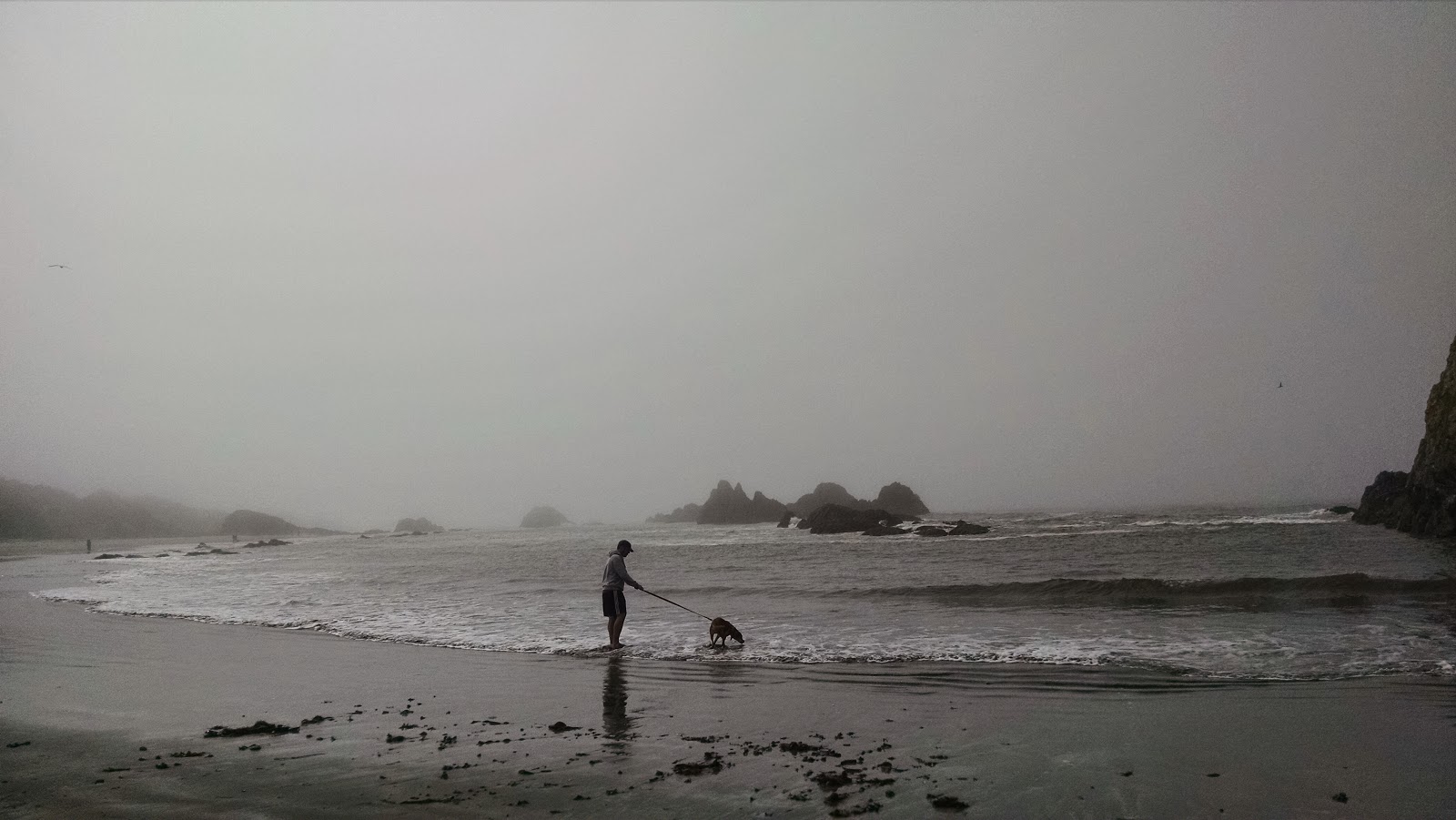
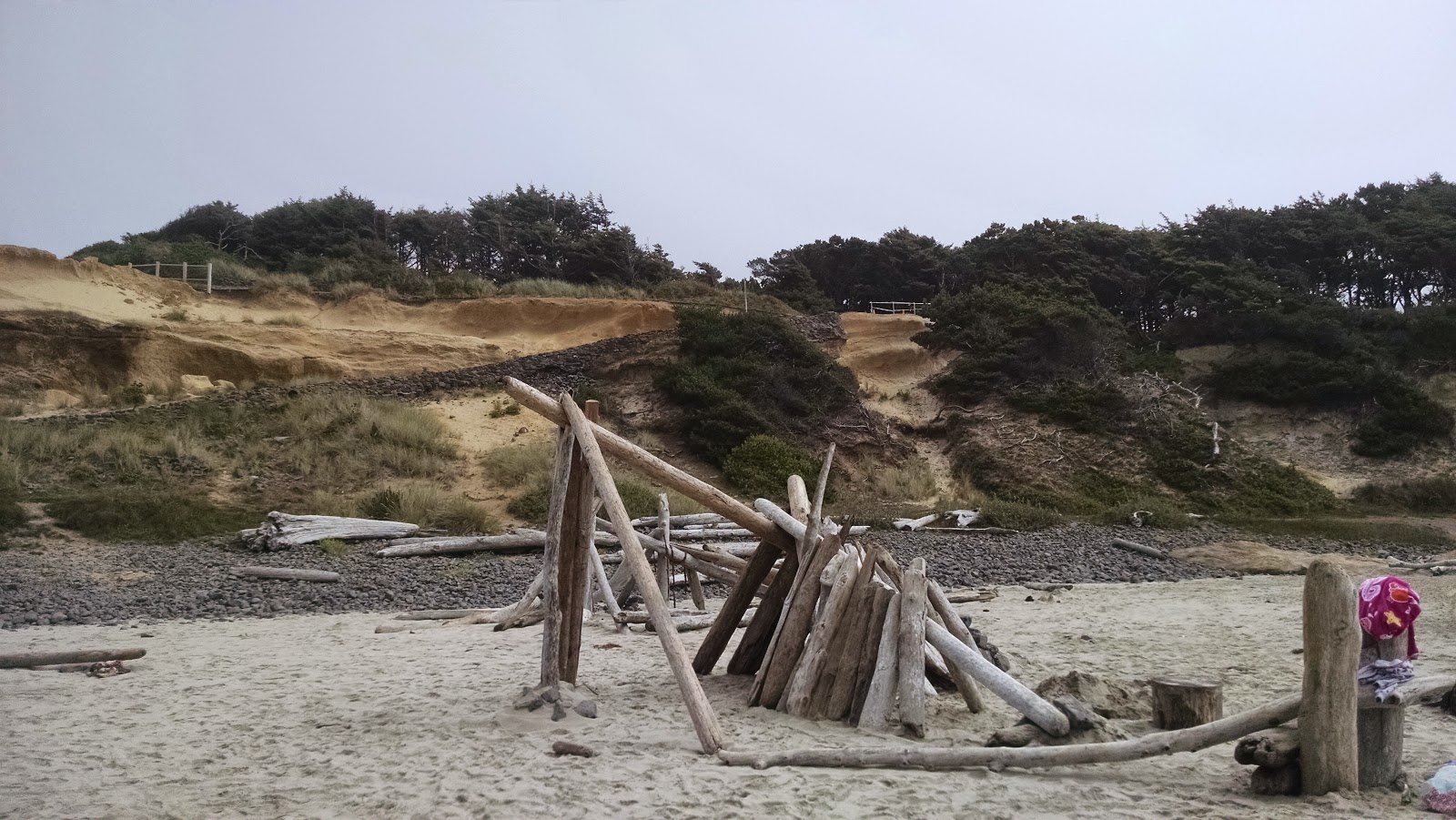
It’s only 10 minutes south of my house, but Seal Rock is a great place to get away. Not long ago, I took my camera and notebook there, joining the tourists as if I were one of them. For a little while, I was on vacation. I wrote, I took pictures, I walked on the beach. It was cloudy but warm, and the waves lapped gently over the tidepools and against the sand.

After my beach walk, I went to lunch at Seal Rock’s Japanese restaurant, Yuzen. With soft music playing, I sat at a window seat eating miso and sushi and thought again about how lucky I am to live here.

Photos copyright Sue Fagalde Lick 2014

Oh Rats! A Tale of Rats, Cats and Runaway Dogs


This is a story about rats. Once upon a time, I would sit in my hot tub at dusk, warm water up to my neck, stars brightening up above, dog chewing on a log from the woodpile, and I’d see something scurry from the deck to the fence. Something dark, something small, something that was probably a rat.
This went on for months, maybe years. In my childlike way, I thought he was cute. I welcomed him to the family, naming him Ratatouille. Ew, rats, people said, but I think everything’s cute until proven otherwise. Remember Sal the Salamander? Ned the Newt? Gary the garter snake?
One day, I found a dead rat on the lawn. No blood, just a black rat corpse. Did Annie kill it? I’ll never know. Grieving the loss of Ratatouille, I carried the corpse out to the woods. Bye, bye rat.
Now at the same time, also for months, maybe years, I was aware of a missing vent cover at the base of the house, over near the fence. Annie noticed, too. Every time she went out, she ran over to sniff its cool darkness. Got to fix that one of these days, I thought. The old metal cover had disintegrated in our coastal wetness, so critters could get in. And out. I never imagined they’d back up the U-Haul and take up residence.
It turns out Ratatouille was not alone. One night as I was washing the dishes, I started hearing noises under the stove. It sounded like something was chewing at the underside of the floor, trying to get out. “Annie!” I called to the dog. “Listen!” Her ears pricked up. She stared at the floor and began to whine. Rather than save me from this marauder, she snuggled against me for protection.
It chewed and chewed. I opened cupboards and looked behind things, afraid something would jump out at me, but it didn’t. I stomped the floor hard, and the chewing stopped. Maybe it was gone. That night I dreamed it was a litter of kittens. The noise came back again and again, under the table, under the toaster oven, under the hallway. The morning it woke me up chewing under the bedroom, I stomped the floor and said, “That’s it.”
I called a company out of the phone book with a name that sounded humane and ecologically sound. When the guy arrived in his VW bug decorated with pictures of ants, it was not a good time at the Lick house. It was 91 degrees in Newport, about 30 degrees hotter than usual. Confused bugs swirled  around my head. My back had gone out, and I was hurting from my morning trip to the chiropractor. I was also preparing for a trip to California to help my dad, who had fallen and broken his hip.
The new dog sitter had just come to meet Annie. Harley, the giant Lab from across the street, had come to the door with her. Annie, seeing her buddy, had whooshed out the door and run away.
“Uh, that was the dog you’ll be taking care of.”
“Well, she looked nice. Hey, there’s somebody else here.”
Rat guy. While Annie romped in the woods, I showed the exterminator the crawl space in the master bedroom closet. A man of size, he blanched. Small doesn’t begin to describe the space under my house. Or so plumbers and house inspectors have told me. He squeezed himself down, looked around for a minute and popped back up, brushing dirt and rat poop off his jeans and shirt. Ya got rats, he said, an infestation of rats, droppings all over. They have shredded your insulation so it looks like a cave full of stalactites. For the equivalent of two mortgage payments, plus a car payment, we will put out bait, remove the corpses, remove the polluted insulation and sanitize the whole thing. I’ll get one of my skinny young guys to crawl underneath.”
I was in shock. “You kill them?” I had had visions of the rats being lured into a box and being driven to someplace nice to start new lives. Meanwhile, where the heck was my dog?
“Yes, ma’am.”
“Well . . . I’m heading to California to take care of my dad who broke his hip. How about if I let you know when I get back?”
He looked at me as if I was stupid. “You want to wait two more weeks? I don’t think that’s a good idea.”
Which is how I ended up writing him a check for most of what was in my checking account and letting him place poison bait under the deck and under the house. In two weeks, Rat Guy will return with his crew to remove the corpses and ruined insulation and sanitize the area under my house.
As we walked out the front door, Rat Guy pointed out a rustling in the trees west of my house. We listened. In a minute, my big yellow dog emerged, panting, tail wagging. I snapped on her leash and hugged her hard. “You brat. You scared me.”
She smiled her doggy smile.
I turned to Rat Guy, who was laughing at my worn-out dog. “You’re sure she can’t get at the poison? She’s sneaky.”
“I’m sure. She’ll be just fine.”
After he drove away, the rats were eerily silent. Annie lay exhausted on the lawn. I cried awhile about the devastation of my finances and my inability to keep up with everything that needs taking care of at this oversized house. I grieved for my dead husband, who left me to manage everything alone. Then I ate a piece of cake and moved on.
When I talked to my dad on the phone later, he said he would have put bait out himself. It shouldn’t cost much. So, was Rat Guy just trying to help or was he a great salesman? All I know is I’m not crawling under my house for any price.
Ah, Ratatouille, you rat.

Hobnobbing with the Archibishop of Portland


 It’s not every day the archbishop visits our small-town church in Newport on the Oregon Coast.  In honor of Sacred Heart Church’s 125th anniversary, we welcomed Archbishop Alexander Sample, head of the Catholic church in Western Oregon, for a special Mass and reception on Friday night. It was the first visit by this archbishop, who took office in January 2013.

It was a big deal. Our songs and programs had to be approved by the archdiocese. The Archbishop needed three altar servers, one to serve, one to hold his staff, and one to hold the tall gold hat, the mitre, that he wore during Mass over his magenta beanie, I mean zucchetto. We had three lectors. The Knights of Columbus paraded in their regalia, and we combined the choirs from all the Masses for the occasion.

The church was packed, the yellow and white flowers and candles were glorious, and the music we had been practicing for weeks sounded good.

Archbishop Sample has a glorious tenor singing voice, and he sang most of the prayers. In his homily, he preached about the past and future of the church and our role as followers of St. Peter.

After Mass, we gathered in the hall, where it was so crowded and noisy my throat still hurts from shouting to be heard. And the cookies, oh Lord, for a cookie monster like me, it was heaven.

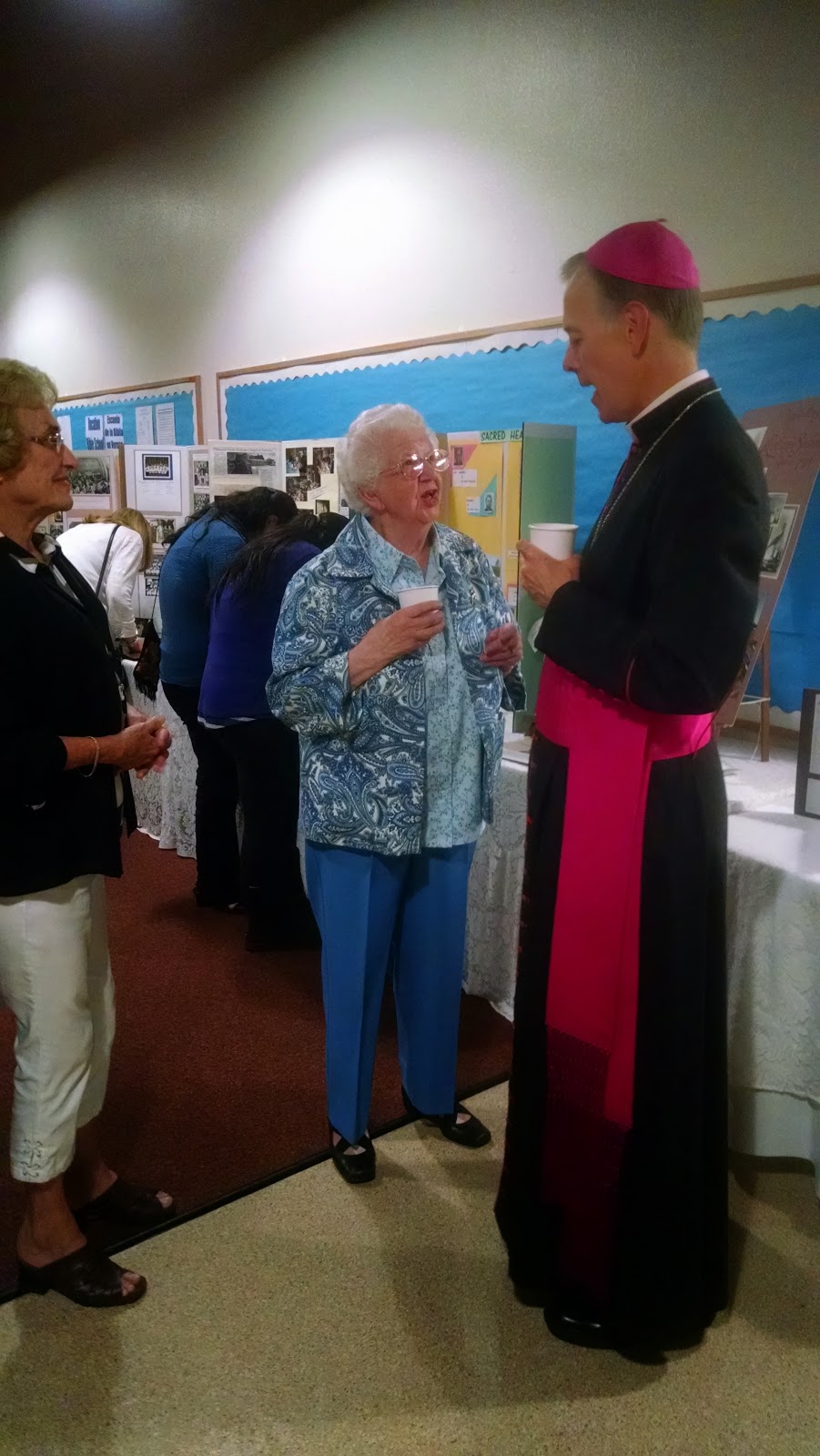
But the archbishop did not indulge. Instead he stood for over an hour as people lined up to meet him. He blessed the sick, listened to the stories of the old, young and in-between, and kidded the kids. In the picture above, he is talking to Rose Troxel, the church historian responsible for most of the photos and memorabilia on display behind them. Meanwhile, we all fell in love with the tall, handsome archbishop.

Sunday it was back to church as usual. I hope the archbishop got a chance to walk on the beach between events. He did take a few cookies back to his hotel room. He was due in Lincoln City for another Mass on Saturday. Meanwhile, my father is pretty impressed that I sang a solo for the archbishop and shook his hand, and I know the leftover cookies are hidden away somewhere.


If You Look Past the Dirt . . . Russell’s Song

A couple months ago, I was helping register people to have their pictures taken at church for our new parish directory. I was having fun seeing old friends and meeting new ones when this homeless guy walked in. Maybe walked is the wrong word. Shuffled? Sneaked? Whatever. I knew he was not there to get his picture taken. He was dirty, and he wore so many layers of clothes I couldn’t figure out how big he really was. He walked right past my table toward the kitchen–where nothing was happening. I looked around. I was the only staff person there. It was on me to deal with this guy.

I went over to him. “Can I help you?” He muttered something that didn’t make any sense. I finally grasped that he needed a restroom. I turned him around and directed him to the men’s room. He stayed in there so long I got worried. I was about to send one of the male parishioners getting photographed to check on him when he emerged. He came up to me at my table and started talking. And talking. He told me all kinds of things, some of which might have been true. He was a photographer. He was a musician. He had kids somewhere. The DA owed him money. Our pastor had promised to help him get it. I listened and nodded and wished he would go away. I offered him nothing. Finally he walked outside. People coming in told me he was hanging out by the door to the hall. They told me his name was Russell and he came around all the time. They told him to go somewhere else. They told me he left the restroom a mess.

I mostly wanted Russell to leave because I was afraid of him. But is this the Christian way? What should we have done? If I see him again, I vow to be more welcoming.