Making Fire from Sawdust: The Quest for Heat

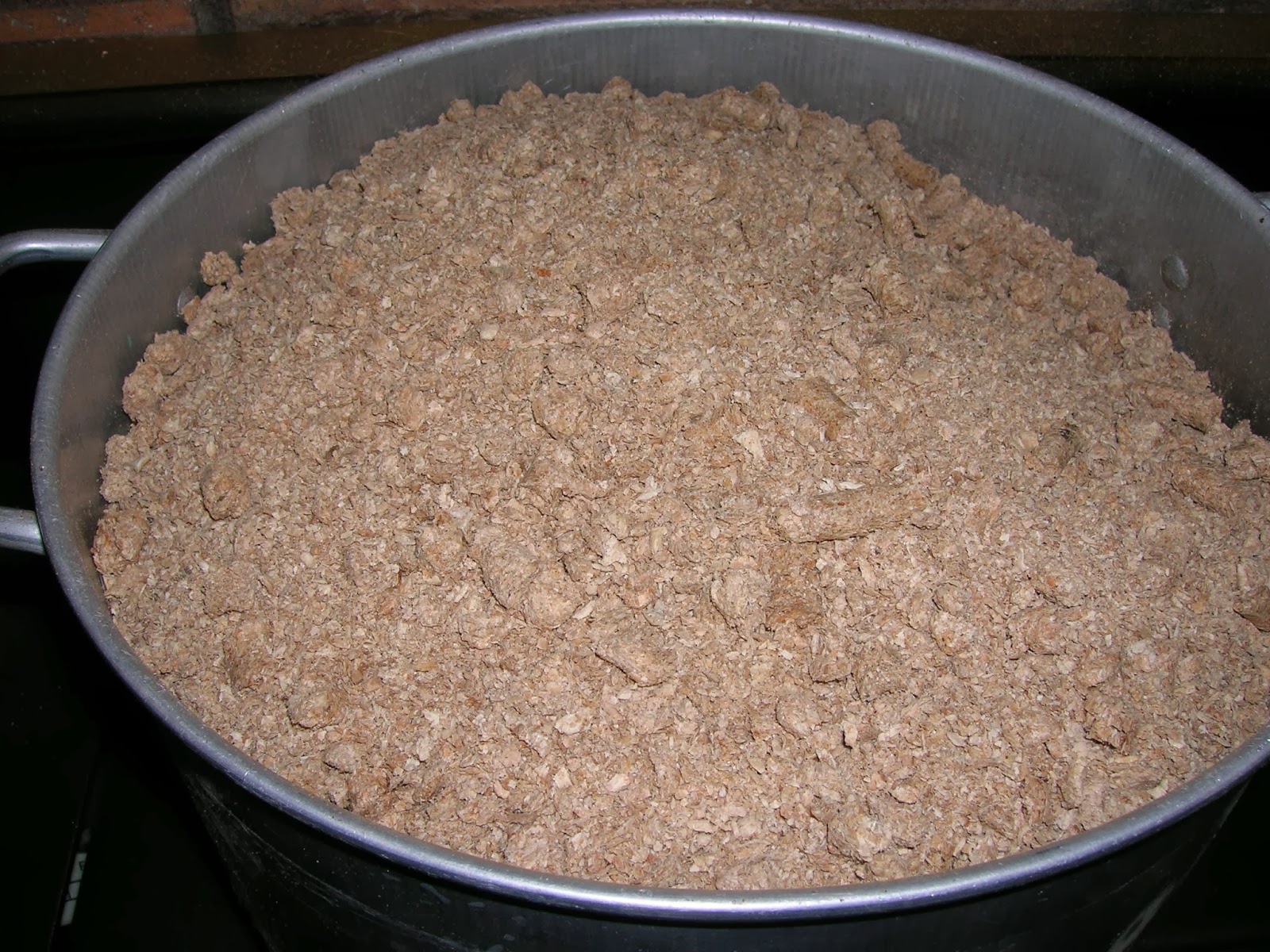
I knelt by the pellet stove shaking a colander over a pot, trying to separate the pellets from the sawdust. The pot was nearly full, and I could still see sawdust, so I used a slotted spoon to shake out a few pellets at time and toss them into the hopper. Every time I tossed a few more pellets in, I got more sawdust on the floor, on me, and on the dog, who huddled close for warmth.
Sometimes I missed the hopper, and pellets scattered in all directions. I cursed and rushed to pick them up before the dog ate them. She did eat a few. Tough poops tomorrow. Over and over, I swore to get rid of this stupid pellet stove that took so much work and only went on when it felt like it. I considered selling the house just to move someplace that had a normal heating system.
For those who have always lived in homes with gas or electric heating systems that go on and off automatically, keeping the house at a comfortable 68 or 70 degrees, the idea of a house without heat is unimaginable, but for a lot of people living in rural areas, it’s a reality. Around here, wood stoves are the norm, just like in the olden days.
Usually the pellets don’t come cushioned in sawdust. I had clearly gotten a few bad bags. When I finally gave up after three bags and took the others back, the guy at the lumber yard admitted he’d given me bags from the wrong pile, ones that were supposed to be thrown away. He replaced them, with two more for my troubles. By then, I had taken pictures and prepared to argue for a refund, thinking they wouldn’t believe me. But the guy was waiting for me. He was already aware of his mistake and knew I’d be back. I just wish I’d come back three bags sooner.
Three vacuumings of the pellet stove later, it seems to be working, but there are no guarantees. I’ll do anything to avoid another visit from the serviceman who charges hundreds of dollars to spend hours in my living room, stove parts everywhere, lecturing me on how I need to clean the stove with little brushes every five minutes and sift every bag of pellets for sawdust.
This winter has been unusually cold, and I’m going through more than one 40-pound bag of pellets a day. When I was in California for a week last month, Oregon had record-setting low temperatures, down to 14 a couple nights in South Beach. It snowed, and the snow froze into a solid sheet of ice that closed down everything. It was cold. Damned cold. So cold the strings on my bandurria came unstrung. So cold a ceramic bird house outside cracked into little pieces. So cold pipes were freezing all over western Oregon.
God bless my dog sitter, who came from the Midwest and was not afraid to drive in the snow. I asked her to let the dog sleep in the house. The crate in the laundry room was too cold. She wanted to know how to turn on the heat. I explained the pellet stove. She had never seen one before, and it took a while for her to get the hang of it and to understand that when the pellets run out, there is no heat.
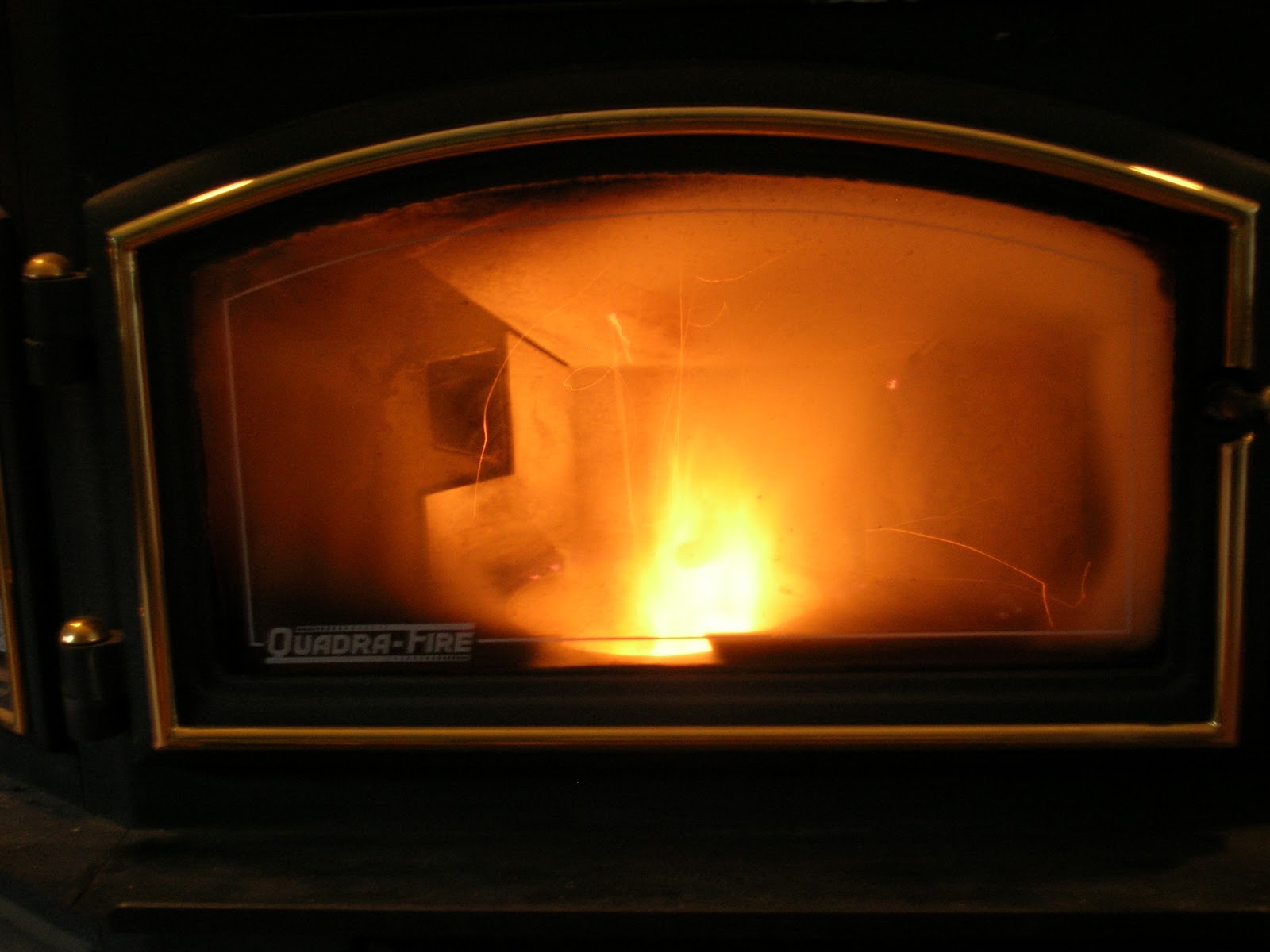
When it’s working, I spend half my life warming my buns by the pellet stove. I read, write, make phone calls, and ponder the world within two feet of that warm orange heat. I have the burn marks on the back of my bathrobe to prove it. My dog lies at my feet, soaking up the heat. Visitors remark on how warm and cozy it is.
Yeah, I think, when it works, when it doesn’t start to light, then fizzle out with a sigh as if it just can’t find the energy to make fire. It’s old. It’s worn out. It’s persnickety. And every time I turn around, it’s empty. I think I lose a quarter inch in height every time I carry one of those heavy bags from the garage to the house. This winter, if you put them all together, I must have lifted a couple tons of wood.
Oh, and if the power goes out, which is not uncommon around here in the coastal forest, the pellet stove doesn’t work. The fan runs on electricity. Then I have to light the wood stove in the den, which is a whole other story.
Last night I researched the cost to convert my pellet stove to gas. Apparently you can go the other way—gas to pellets–pretty easily, but pellets to gas is prohibitively expensive. Not only would I have to buy a new “insert” for about $3,000, but I’d have to install a propane tank outside and pipe the gas into the house. Not happening on my budget.
Instead, I’m taking my Christmas money to Home Depot and buying the biggest, most powerful plug-in electric heater I can find, so when it gets cold and Mr. Pellet Stove isn’t in the mood, I can turn it on and be warm. Meanwhile you’ll find me and Annie next to the pellet stove.
Dear friends, if you have a real heater in your house, give it some love. You are blessed to have it.
And if you have suggestions for how to use two buckets

of fine sawdust, let me know.

Snow? I didn’t sign up for this


I should be at church playing the piano right now. Instead, I’m at a motel in Corvallis, looking out the window at a world coated with snow. The temperature is 12 degrees. Fahrenheit, not Celsius. The view is gorgeous. Beyond the snow and trees, the Willamette River sparkles in the early morning sun. Beyond that lie miles of snow-coated fields. I’ve always wanted to spend some time in Corvallis, to walk the streets, enjoy the stores and restaurants and stroll along the river, but this wasn’t quite how I pictured it.

I definitely didn’t imagine this when we moved to Oregon 17 ½ years ago. I came from a place where it doesn’t snow. It barely rains. When the thermometer dips below 70, folks complain that it’s too cold. I had heard that it rains a lot in Oregon. I thought okay, I’ll get a raincoat. I had no idea what 80 inches a year is like. But I learned. We Oregonians are taught to never carry an umbrella and never complain about the rain. It’s what keeps everything green.
But snow? Wait! I didn’t sign on for snow or for temperatures so low that it doesn’t melt for days and the roads are so slick I don’t know how to drive on them. One slide-around yesterday on Highway 34 on my way home from the airport convinced me to park as soon as possible. People who are used to snow are unfazed. I overheard my waiter at McMenaman’s brewpub last night telling a customer that he was comfortable driving in the snow but worried about those folks who don’t know what they’re doing. I wanted to set my Hammerhead beer down and raise my hand. Me!
My dogsitter is from the Midwest. She laughed when I asked if she had any trouble driving to my house on Friday night. I mean, come on. Everything in Newport was closed. They closed the schools and City Hall, stopped all the buses, and cancelled all the Christmas events. But Jo didn’t mind the snow and she knew how to turn on my faucets so they don’t freeze. Thank God. 
The good news is that the snow stopped falling two days ago, and the sun is shining. We just need everything to defrost. I was in San Francisco during the worst of it. There, it got down to the high 20s and just a few drops of rain fell on me as I walked back to my hotel from the hospital. (Dad’s doing great, by the way. He went home yesterday. He’s the rock star of the cardiac unit.)
Before our plane turned toward Portland, the pilot took us on a tour of San Francisco Bay. Blue sky, green water, sailboats, the Golden Gate Bridge, beautiful. I kept asking myself why I was going back to the black-and-white land of rain and snow. If I wanted to live in the snow, I’d move to Alaska. But it sure is pretty.
Way back in February 1996, Fred and I came to the Oregon Coast for the annual Seafood and Wine Festival. It snowed. Nothing like this, but it did snow. Does it do this often, we asked the locals. Nah! They said. And we believed them. Silly us.
               
You’ll find me at the Super 8 in Corvallis until the ice thaws.

I Lost My Way in San Francisco


It was late afternoon as I trudged up and down the hills of San Francisco yesterday, testing out the route from the Hotel Tomo to Kaiser Hospital, where my father is having heart surgery today. I thought it was just up the road, but somehow . . . it wasn’t. My heart pounded as I climbed uphill and down. I passed drunks, crazy people, and homeless guys picking stuff out of the garbage. A pretty blonde girl walking with her friend lit up a marijuana cigarette behind me. I Inhaled the smoke in happy amazement. I saw 50 sushi shops, a dozen liquor stores, four giant churches, and a lot of street signs, but I did not see Kaiser hospital.  Feeling like a stupid tourist, I kept checking the map I’d gotten at the hotel, but it didn’t help much. It was getting dark. I was not about to walk back in the dark in my cute purple hat and big old steal-able purse.
I had to face the fact: Kaiser Hospital was not here. It must have moved. Or something. Nervously clutching my purse against my side, I decided I couldn’t walk any farther. I crossed the street and took a bus back to Japantown and my hotel. Luckily, a gigantic Japanese sculpture marked my way. Back in my room, I looked at the more detailed map I had brought from home. Oh Lord. I was walking in the wrong direction. Kaiser was the other way!
This is not the first—or the 20th time this has happened to me. If I added up all the hours I have spent trying to find something that wasn’t where I thought it was, it would probably equal several years. I’m good at some things, but finding my way around isn’t one of them. It’s a good thing I now live in a town where it’s almost impossible to get lost. Everything is off of Highway 101 with ocean on one side and forest on the other. And yes, I have a GPS, but I didn’t think I needed it. Silly me.
One guy who didn’t get lost was the driver of the ride-share shuttle I took from the airport. The driver spoke minimal English and drove like a maniac. He raced all over San Francisco so fast I can’t believe he didn’t mow down a couple dozen pedestrians. At one point, he stopped on the street where I knew my hotel was, so I prepared to get out. This guy in Victorian costume welcomed us to the Sir Francis Drake Hotel, and then this guy in the back seat got out. I pretended I wasn’t halfway out the door. A half hour and a hundred streets later, we were back on Sutter and landed at the Hotel Tomo.
I still don’t have my bearings. The view outside my hotel room window is fabulous. Don’t know what I’m seeing but it’s the big city, and the lights are like one big Christmas display to me. I took a taxi to the hospital this morning. The talkative Iranian driver gabbed about divorce customs in his country and how his wife rags on him to eat healthy, and he wished my father well. $6.50 and worth every penny. I arrived one minute before the rest of the family got here from San Jose.
Somehow they didn’t get lost. Maybe my brother’s right. Maybe I am adopted. Nah.
My father is in surgery right now. I’m waiting with my brother. Please send up a prayer that Dad comes out of this all right.

Joyful days on the Oregon Coast

Now I feel the joy.
When I came home from California two weeks ago, after nearly a month helping my ailing father, I thought I would feel joy the moment I walked into my house. I would have my dog Annie, my work, my friends, my house, my piano, my WiFi, and my beautiful Oregon. But all I felt was sad, sad for being so far from my father, sad at being alone, sad that my husband and so many other loved ones are gone, sad at all the bills and work that waited for me in this cold, wet place where the sky was always gray.
It didn’t help that it was raining and the roof in my kitchen leaked. Or that the warning light came on my car and I found that all four tires were dangerously low. Or that the dog was scratching with fleas again. I was still not completely over the food poisoning that struck me in San Jose. I did not feel any joy.
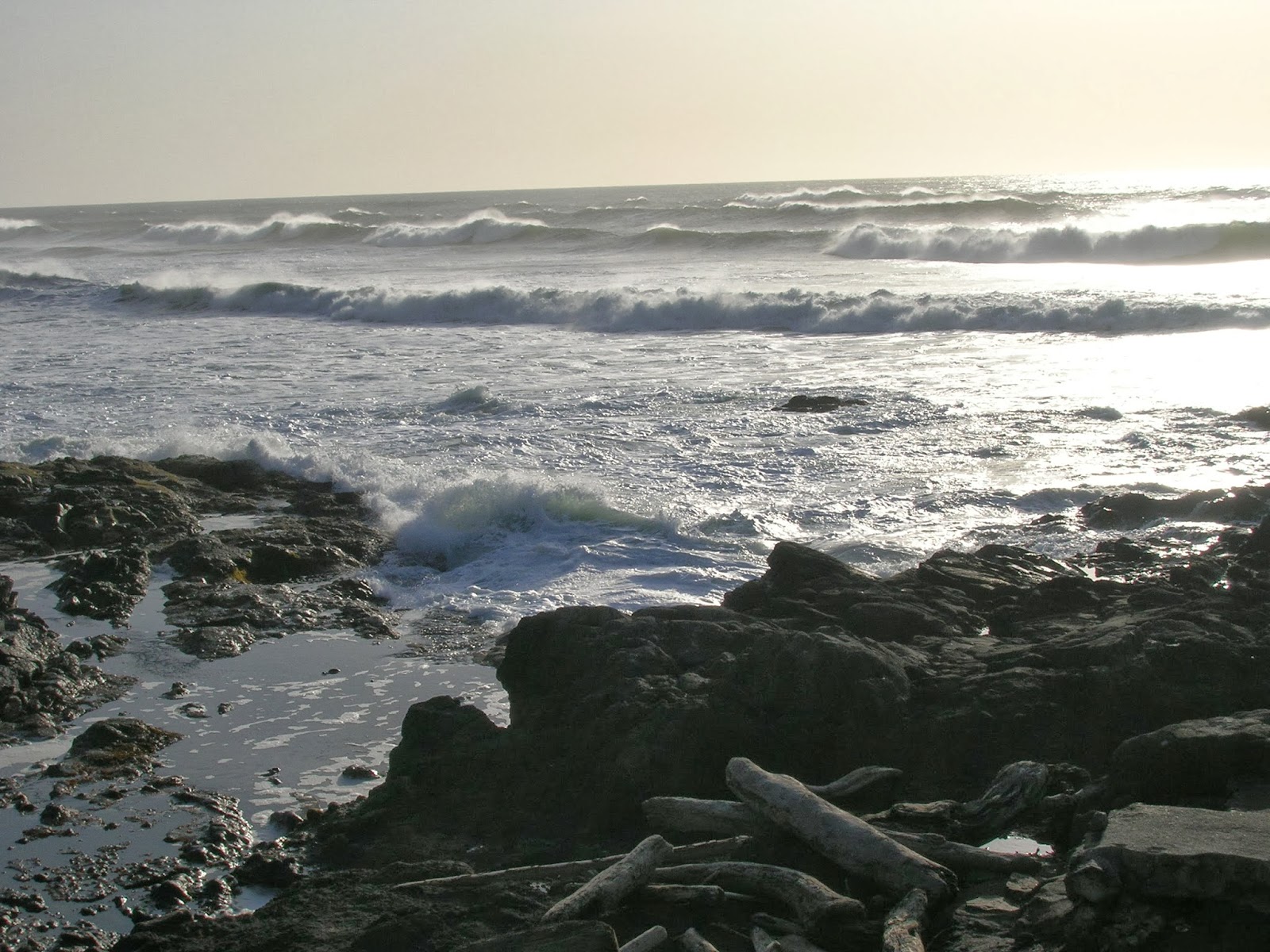
But over the last couple days, I have felt the joy. Maybe I’m just sun-drunk. The rain has stopped for the moment, replaced by dry cold. The pellet stove being my main source of heat, I’m using pellets by the truckload. I’m also giving my sweater collection a workout, but the place where I live in a forest two blocks east of the ocean is so beautiful I can barely stand it. Just now, at 6:30 a.m., I went out with Annie. Stars filled the sky, and the moon was so bright I could see my shadow on the ground. Yesterday, I lay out on the lawn in the sun with Annie, watching a tiny pine siskin in the Sitka spruce above me. The sky was so blue, the trees so green, and the quiet so profound that I fell in love with this place all over again. The day before, Annie and I walked on the beach. We were the only ones there. The ocean was a swirl of blue and green, the sand full of shells, the air like tonic. Yes, it’s warmer at my dad’s house, and his squirrels are as big as pussycats, but this is my little piece of paradise.
Last night I played the piano and led the choir at the 5:30 Mass, and that felt like heaven, too. I was surrounded by friends, the Christ the King liturgy was beautiful, and I felt so blessed to be able to do the music that I love. I have my writing, my house, my dog, my friends, and so much more. My tires are fixed, friends patched my roof, and my father is doing amazingly well for a 91-year-old man with three faulty heart valves.
Now I feel the joy. It’s going to rain again. The sun and the moon will disappear behind the clouds. I’ll worry about bills, Christmas presents, Annie’s fleas, and other problems. My writing will be rejected, my music will go flat, and I’ll hate my new haircut. My father is scheduled for surgery next week, and I’m going back to California. I believe the surgery will go well, and he’ll live on, but there are no guarantees. Life is never perfect, but I’ll do my best to hang on to the moments when I’ve truly felt the joy.
Do you have times when you feel that true happiness? I’d love to hear about them.

Tempted by all that Darned Sunshine

I just returned to Oregon after nearly a month in San Jose with my father. Dad is suffering from heart problems and will be having surgery in early December. Meanwhile he needed help, so I ditched everything here and hurried down I-5 to the place where I grew up.

Once I was there, I experienced this weird Dorothy-waking-up-from-the-dream-of-Oz feeling. I was home. The sun was shining. Every day. Every day for 28 days. Here, if the sun comes out, we rush outside to look at it because it’s such a fickle visitor. There, it’s the rain that’s a rare guest. It clouded over briefly a couple times, but cleared up without dropping any moisture.

I love the sun. I spent a lot of time sprawled on the old chairs in the patio soaking it up. Dad’s yard is like a nature preserve, full of shrubs and fruit trees, with three resident squirrels as big as your average cat, blue jays, mockingbirds, sparrows, crows, hummingbirds, and the biggest bumblebees I’ve ever seen. It’s nice back there, and it’s nice being warm. I barely noticed the constant roar of the nearby 280 freeway.

I slept soundly in my childhood room, and I enjoyed being close to the scenes of so many memories. It was also great being near my family, especially my father. I liked the fact that every store or business a body could think of was within a few miles, and I always had four reception bars on my cell phone. That first week, I thought: This is crazy. I should move back home. Now that Fred is gone, why am I staying in Oregon? I can’t afford to live in the Bay Area, where everything costs about three times what it costs here, but I’d have a lot more chance of finding a job there than I would here. I could rejoin my old writing and music groups. It would be great.

Over the weeks that followed, the feeling faded. Even perpetual sunshine gets old. Folks there are always worried about not having enough water because it rarely rains. Everything is crowded, and the traffic is unbearable. A week ago today, I took Dad to San Francisco to meet the surgeons who will be doing his procedure. I don’t like to drive in big cities, and I definitely don’t like to drive in the dark. The directions were good, and I made it successfully to the parking garage next to the hospital. But we got out at 5:30, the height of the evening commute. Stop and go all the way. Red brake lights in front of me, white headlights to the left, eight to ten lanes across. Gripping the steering wheel, afraid every minute of crashing and dying. After a couple hours of that, I told my father, “If anybody asks why your daughter moved to Oregon, this is why.” We agreed that no job is worth fighting that kind of traffic every day.

No, I live here. Right now, it’s raining. Out my window, the big Sitka spruce waves in a gentle wind. My dog Annie is asleep on her chair. And I’m writing in my bathrobe. This is home.

They say you can’t go home again. Well, you can, but it’s never the same, and you might not want to stay there.

Torn between Oregon and California

The thing with living distant from your family, whether it be in another state or another country, is that, if you have a loving relationship, you will always be traveling back and forth. Thanksgiving, Christmas, weddings and funerals all draw me south, back to California. in the last 17 years, I have made at least 40 trips.

The airport is so far it’s not worth the trouble to fly, and it’s not an easy drive. Hot in summer, snow, rain and wind in winter, traffic year-round in the Bay Area. Last Thanksgiving, I drove through intense rain and wind that left trees, signs and roofs scattered all over western Oregon while I struggled to keep my car on the road. When I thought the hard part was over, I ran over a bicycle in the middle of the 680 freeway, shredding my tire. When I arrived at Dad’s house, I declared “never again.”

Not only was the drive horrendous, but I was missing work, had to leave Annie at the kennel and generally turned my life upside down. But as long as I live in Oregon, and my family lives in California, I will do it again and again. I love my family, and most of them are not free to come to Oregon.

When my mother was dying, I wore out the I-5 freeway driving back and forth. Now my father is ill. I always knew that someday I’d need to rush down to help Dad. That time has come. I’m into my third week in the house where I grew up. I’m cooking, cleaning, washing clothes, taking out the garbage, buying the groceries and driving Dad back and forth to Kaiser hospital. He’s 91 and facing open heart surgery. We talk for hours and he keeps showing me things I’ll need to know if the worst happens. He keeps saying things like “when I conk out . . .” But we have spent magical hours going over old photos and sharing memories. We have laughed together. This time is a gift in many ways.

It’s not all fun. I miss my work, my dog, my WiFi, but none of that really matters right now. My father may die soon. Every time he falls asleep in front of the TV, I check to make sure he’s still breathing. He was sick in bed all day yesterday while I tiptoed around and prayed a lot. He’s a strong man, but nobody lives forever.

Meanwhile, I’m loving the California sunshine and easy access to the rest of the family. Between crises, I’m sleeping soundly in my old bedroom. This house is warm and cozy, not dependent on woodstoves to heat it. As I sit in my mother’s chair by the living room window writing in the glow of a pink and blue sunrise while my father sleeps, for the first time in years I don’t feel divided between two states. But I can’t stay here. I live in Oregon now.

I don’t know what the next few weeks will bring. We hope for a successful surgery and strong recovery that will allow Dad to live on his own again. Whether or not that happens, when my father doesn’t need me anymore, Oregon waits for me like a patient lover who will never give up on me, even though I leave it again and again.

Listening to the Master Storyteller


My father is a talker. I mean, good luck getting a word in edgewise, and don’t expect a phone call to last less than an hour. Some people find it tiresome. Hang around a while, and you’re bound to hear some reruns, told with exactly the same words. Being an active listener can wear a person out. Yes, no, wow, uh-huh, really. But Dad tells good stories. At 91, he has a lot of them.
I suspect he is part of the reason I became a writer and why I write the kinds of things I do. Dad is not a writer. He grew up working on a prune ranch, worked on airplanes in World War II and ultimately became an electrician. Until he retired, he didn’t read much. But he knows how to make a story. His stories have characters, dialogue, suspense, all the good stuff we writers strive for. Like me, he’s curious, and he’s nosy. I may have unconsciously learned to shape stories listening to him all these years. I added lots of formal education, but the basics came from Dad.
Back home on an extended visit, I have been taking notes on Dad’s stories, just as I used to do with my grandfather, another great storyteller. Dad’s stories reach back to 1922 and include his grandfather’s work driving a horse-drawn road-watering truck on San Jose’s dirt roads and later running a service station even though he knew very little about cars; his own youth on the ranch on Dry Creek Road; his experiences in Australia, the Philippines and New Guinea during the war; epic fishing and camping trips; travels across the country, tales about various family members, and his most recent trip to the bank.
Yesterday he brought out stacks of unorganized photos for me to see. We sat together on the fold-out couch in the sunny middle bedroom-turned den and went through them one by one. It was a slow process because every picture had a story. It knew as it happened that this was a blessing for both of us. Nobody else takes the time to look and listen, he says, but I find it fascinating. This is my history. I want as much as I can get. You can’t learn this kind of stuff on the Internet, and Dad, the last of the older generation, won’t be around forever.
The stories continued at dinner. I took notes on my paper napkin. I thank God for this time, even though it has thrown my work all off schedule. I haven’t blogged in over a week. I haven’t even gotten online much (no WiFi), but does it matter?
I’ll bet your family has stories, too, especially the older ones. Ask them questions. Ask to see the old photos—remember film and pictures you could hold in your hand?—and ask for the stories behind them. It could be a beautiful experience for both of you.

Restored room becomes no-clutter zone


The installers from Carpet One must have thought I was crazy when I kept thanking them, tears in my eyes. It was a just a job to them, but in four hours, these burly guys removed all the furniture left in my den, took out the old nail strips and put in new ones, laid down padding and installed the new carpet. After which they vacuumed it and put my furniture back. My dog, banished through the whole process, was ticked off, but I couldn’t believe how beautiful the new carpet looked, much prettier than the dirty old Berber and of course better than the stained concrete I’d been living with since August.

Now, with furniture in place and books in the new shelves, I still can’t believe how pretty it looks. The rest of the house? Blech. I want to disown the other rooms, which don’t measure up at all. But maybe I can work the same magic there–without the flood.
The carpet came on a rainy Wednesday. I spent the next few days moving stuff back in, analyzing each thing to decide whether I really wanted it. I don’t know when I have ever felt so tired. But yes, I am getting rid of things. Two big boxes of books to follow the two I already gave to the church bazaar. Another box of clothing. Two boxes of knick-knacks. Does anybody want an old-fashioned chiming clock that ticks but doesn’t keep accurate time? I am determined not to put anything extra in that room. It used to be an obstacle course. Walk around the TV, the keyboard, the chair, the pile of magazines, the box of videos that I never figured out to do with . . . No more. I have room to do my yoga in there now, and the carpet is clean. Controlling my clutter is like trying to hold the ocean back, but I’m going to do my best to keep it that way.
Thank you for putting up with this endless saga. I promise to move on to other topics next week.

My Flood Disaster is Almost Over–I Hope

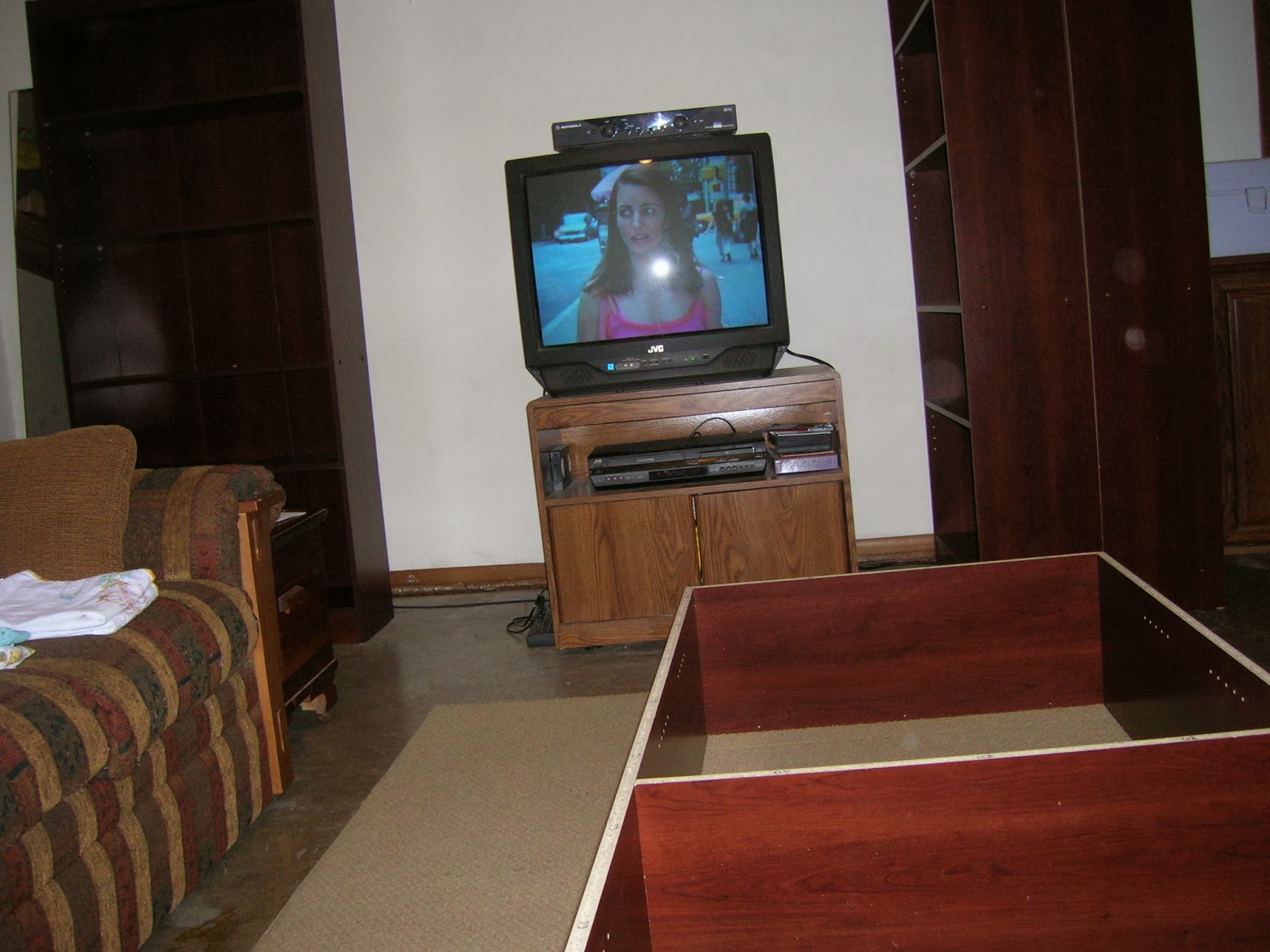
Bookshelves in progress, accompanied by a “Sex and the City” marathon.

I now have new respect and sympathy for people whose entire houses get flooded by hurricanes, overflowing rivers, tsunamis, burst dams or whatever. I only had one room get soaked, and it has taken almost two months to begin to recover. I never saw this coming.

I woke up on Aug. 20 to discover water all over my laundry room. My 12-year-old water heater had died in the night, and water was pouring out the bottom. Phooey. But the laundry room, formerly part of the garage, was never completely finished. Once I mopped the water off the concrete floor and got a new water heater, I figured my troubles were over.

But no. The next night, I was on the phone with a friend when I happened to walk barefoot through my den, also formerly part of the garage. The carpet was soaked. Major curse words flew out of my mouth. I have already blogged about the details of all this ad nauseum. The short version: I spent a day trying to sop up the water with minimal success as the stench of wet carpet padding, wood and sheetrock permeated the house. The next day, I followed my father’s advice and called the insurance company. Water damage workers tried to dry things out, then removed my entire carpet and my four six-foot tall bookshelves. They also chopped a soggy section out of my wall. Over the weeks that followed, I had many visits from various professionals, interspersed with long periods of waiting.

Everything from that room, including hundreds of books, all of my clothes and a host of photos and knick-knacks, is spread through the rest of the house. But now it’s almost over. The wall is patched and painted, I finished putting together the last bookshelf last night, and the carpet is due to be installed on Wednesday. Emerald cut, rust-colored Spanish tile instead of the silly white Berber that used to be there. It will all turn out to be an expensive blessing, I’m sure.

Having been surrounded by my possessions all this time, I’m not so fond of them anymore. And I realize that when the flood hits, everything that gets wet becomes worthless. I will reconsider every item that I put back in that room. Do I really need so much stuff? Don’t answer that. I know what you’ll say.

Meanwhile, yesterday I noticed the roof is leaking in the laundry room. Just a little.

To Build a Bookshelf

Another episode in the wake of the great water heater flood of 2013
Saturday I built a bookshelf. That statement may evoke visions of sawing, hammering, sanding, staining and lovingly polishing, of creating something unique from a few pieces of raw wood. Wow, that Sue is so talented. You can smell the sawdust, can’t you?
But no. I tore open a long heavy Home Depot box delivered by the UPS guy, removed a ton of foam rubber and cardboard packing material, laid out pieces of wood-finished pressboard and a baggie of screws, nails, dowels and brackets, and started putting it all together. Each part was lettered, and the screw holes were already drilled. I just had to follow steps one through six on the instruction sheet with the added attraction of learning how the same instructions would be translated into Spanish and French. Tools required: one hammer, one screwdriver, and two people. I made do with one human and a dog.
You may recall that my previous bookshelves got wet when my water heater gushed water all over my laundry room and den a month ago. The water damage experts sent out by my insurance company declared the shelves deceased and tossed them into the front yard, to be taken to the dump. They sat there for three weeks before my neighbor got sick of looking at them, hacked them up with an ax and burned them in his fire pit. We had a nice visit while I watched my bookshelves turn to ashes. In replacing them, the insurance company would only cover shelves that were similarly inexpensive, hence the fake-wood bookshelf kits.
It sounds mindless, but after I carefully nailed the backing on with 22 little nails and tilted the shelf up to admire my work, I discovered the backing was on backwards. Oh no! Did I mention I’m not mechanically gifted? I had to lay the shelf back down on the throw rug on the bare concrete of my damaged den and take out 22 little nails I had hammered in good and tight.
I had brought the bookshelf components from the garage to the den one or two pieces at a time because I couldn’t lift the 75-pound box, and I couldn’t think of anywhere big enough to assemble a six-foot tall, five-shelf monster except on the floor. Oh my aching knees and back. Luckily, I had the TV to entertain me. It took a movie, “Monster-in-Law” with Jennifer Lopez and Jane Fonda, plus an episode of “Friends”—the one where Monica and Chandler get approved to adopt a baby—but I got it done. I got parts A, C, C1, G, G2, F, P and P1 all in the right places. Why weren’t there any B’s, D, E’s or H through O’s?
Anyway, the shelf is up. It doesn’t match much of anything. Why did I order royal cherry “wood?” But it’s pretty. I’m dying to put books on it, but I can’t until I get my carpet, which is scheduled to be installed on Oct. 2, hopefully after the water damage guys finish patching and painting the closet. The books will remain on the kitchen floor, on the guest room floor and bed, stacked in the living room, and tucked here and there in the laundry room. I’m only moving them once.
I have three more shelves to build. I find the whole process fascinating. The kits are sheer genius with all those perfectly matched parts. But yesterday, when an unemployed friend at church offered to build the rest of the shelves for me, I said yes. Why should I hog all the fun?